

### Blog Post:
Cooling towel use has exploded among runners and hikers facing longer, hotter summers—but not all claims match reality. Here’s exactly what science and real-world testing say about their effectiveness for running, hiking, and hot-weather sports in 2024.
Key Takeaways
- Cooling towels provide noticeable skin cooling and comfort but do not significantly lower core body temperature during exercise, compared to passive rest or a regular wet towel.
- Their effectiveness depends heavily on humidity and airflow—expect short cooling windows in humid or windless environments.
- PVA towels, mesh microfiber, and performance blends each offer different trade-offs in comfort, weight, duration, and care.
- What Are Cooling Towels? How Do They Work & Why Use One?
- How to Use a Cooling Towel Effectively Outdoors: Step-by-Step
- Advanced Analysis & Common Cooling Towel Pitfalls
- Conclusion
- FAQs
What Are Cooling Towels? How Do They Work & Why Use One?
Cooling towels are specialty fabrics designed to provide temporary, evaporative cooling when soaked, wrung out, and draped over the skin—most commonly on the neck, head, or wrists. Their core purpose is to help runners, hikers, and outdoor athletes feel cooler during exertion in hot weather.

These towels work by maximizing water evaporation against your skin. As the moisture in the towel turns to vapor, heat is drawn away from the surface of your body, creating a distinctive cooling effect. This mechanism can lower both skin temperature and, briefly, the sensation of being overheated.
However, recent peer-reviewed studies show that while cooling towels improve thermal comfort (making you feel less hot), they do not significantly reduce core body temperature compared to simply resting in the shade or using a regular wet towel. In other words, they’re more about comfort than clinical cooling for most healthy runners and hikers.
The main benefits users report are:
- Quick, easy way to feel cooler during outdoor activity
- Helps you manage perceived heat fatigue
- Wearable, reusable, and compact for sports and travel
For detailed evidence, check out these independent cooling towel tests and the 2024 study comparing cooling methods.
How to Use a Cooling Towel Effectively Outdoors: Step-by-Step
While the basic process is simple, following the right steps and context-sensitive tips ensures you get the most from your towel without frustration.
1. Choose the Right Type for Your Activity
- PVA towels: Best for longer duration (up to 4 hours per soak, in ideal conditions) but heavier and stiffer when dry. Great for hiking with limited water stops.
- Microfiber mesh/performance blends: Softer, lighter, dry faster, but cooler lasts 1–2 hours before rewetting is needed. Best for short runs or high-sweat activities.
- Consider dimensions: Longer and wider towels (30-40 in × 8-12 in) drape better for neck and upper back coverage during hot hikes.
2. How to Activate Your Cooling Towel
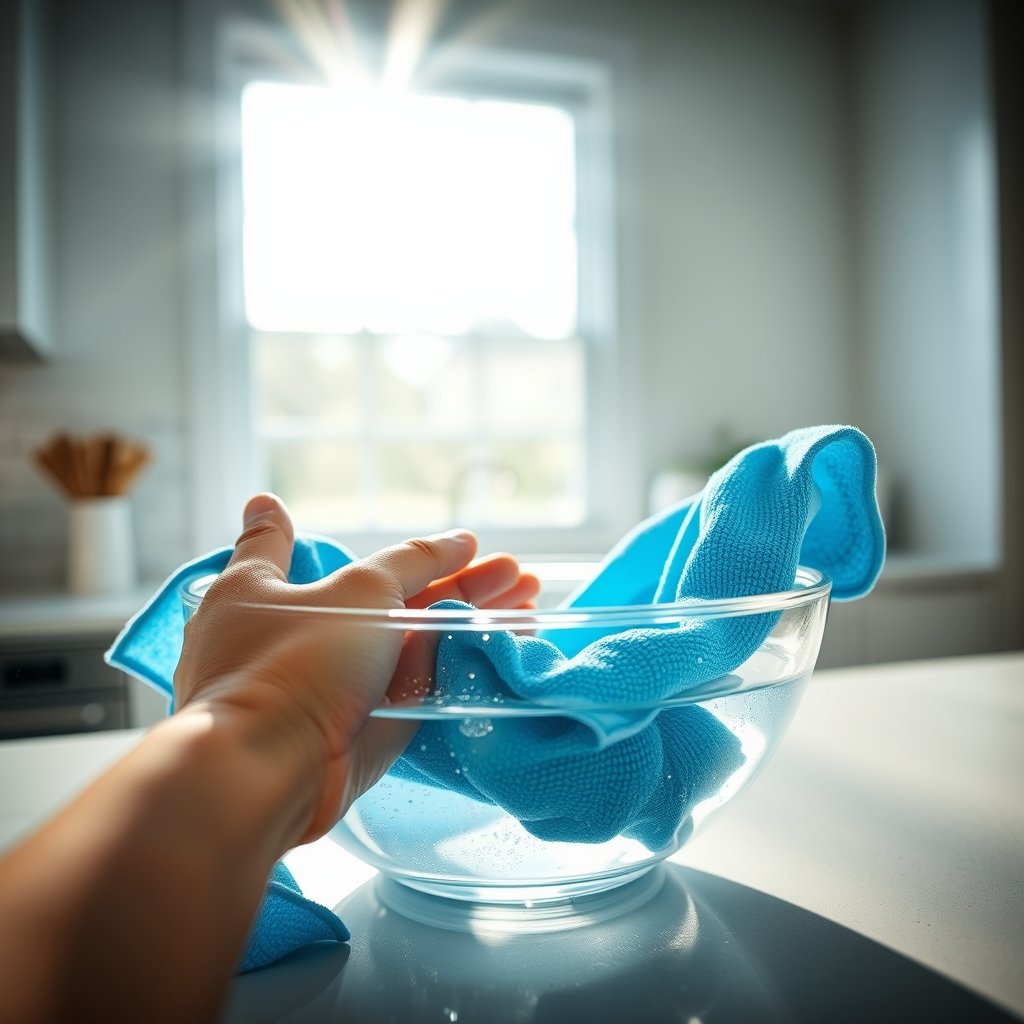
- Soak the towel thoroughly in clean water (river, faucet, or bottle—avoid dirty water if using on face/neck).
- Wring out excess moisture so it’s saturated but not dripping.
- For extra-cold effect, use iced water, or chill in a cooler or with ice packs if available.
- “Snap” or shake the towel a few times to enhance evaporative airflow in some products.
3. Where & How to Apply
- Drape or tie around your neck, over your shoulders, or across your head (under a hat or helmet works well).
- For hiking, consider swapping between neck and forearm to refresh “cool zones.”
- If your towel starts to feel warm or dry, re-soak as soon as possible. Cooling time drops quickly in humid or still-air environments.
4. Care and Hygiene—Don’t Skip This Step
- Wash your towel after every multi-hour outing, ideally with mild soap and cool water. Gently hand-wash PVA towels to prevent cracking.
- Let dry fully before storage to prevent mildew. PVA towels should be stored slightly damp in a sealed bag if you use them often (they can get brittle if stored dry).
- Avoid leaving any type of wet towel balled up in your pack for long—this is how musty smells and mildew start.
5. Combine with Other Cooling Strategies for Maximum Relief
- Use sun-protective clothing, such as a sun hoodie or breathable hat, to reduce direct radiant heat exposure.
- Plan breaks in shady or breezy spots, and hydrate regularly; cooling towels alone won’t prevent heat exhaustion.
- Try a smaller “wrist” or “bandana” version for backup (these double as sweat wipes or headbands).
6. Shopping & Price Smart
- Budget towels (PVA or mesh) usually range $5–15. Premium “adaptive” or UPF+ branded models can reach $20–30+.
- Be wary of wild marketing claims about “8-hour” cooling—real-life performance depends far more on weather and airflow than branding. See full pricing insights in our sports apparel gear breakdown.
Advanced Analysis & Common Cooling Towel Pitfalls
While cooling towels are popular, they come with a set of practical limitations and user complaints—especially in real trail or outdoor race conditions.
Common Pitfalls & Issues
- Overtrusting Cooling Claims: Studies show cooling towels are about comfort, not true core body heat removal. Marketing about “30°F drops” is often hype—see detailed findings in this independent review.
- Humidity Shortens Cooling: In high humidity (coastal, jungle, or stormy summer), evaporation slows—your towel may need re-soaking every 30–60 minutes or stop feeling cold at all. Low airflow (dense forest, slow hike) has the same effect.
- PVA Stiffness/Breakage: PVA towels get stiff and even brittle if left dry. They can crack if you try to use them “as is” after storage. Store PVA slightly damp for longer life.
- Mildew Smell Risk: Quick-drying mesh and blends reduce odor risks. PVA left wet in a pack, or any towel balled up after use, can mildew fast. Always air-dry and wash after outings.
- Bulk & Weight: PVA soaks up lots of water (good for longer cooling, bad if trying to carry light), so consider your pack weight—especially if backpacking long distances. Mesh dries faster and weighs less, but cools for shorter windows.
- Sizing Mismatches: Too long and the towel flops around while running; too narrow and it doesn’t cover enough skin while hiking. Adjustable bands or scarf-style designs often offer the best balance.
- Water Source Required: If your hike or run doesn’t pass water stops (or you’re conservative about how much you can spare), reactivating a thirsty PVA towel may be impractical.
| Material Type | Cooling Duration (Per Soak) | Weight (Dry/Wet) | User Comfort | Durability | Main Downsides |
|---|---|---|---|---|---|
| PVA towels (chamois-style) | Up to 4 hours (ideal) | Med / High wet (heavy when soaked) | Can be stiff when dry | Prone to cracking, odor | Needs careful storage, can mildew, bulkier |
| Microfiber mesh | 1–2 hours | Low / Med | Soft, quick-dry, light | Good, but can snag/stretch | Shorter cooling, less water storage |
| Poly/spandex blends | ~2 hours | Low / Med | Soft/stretchy, best for running | Good | Shorter cooling, price |
| Phase-change/adaptive textile | Claimed up to 8 hrs (limited real data) | Varies | Premium and comfortable | Unknown, new tech | Expensive, mostly marketing, unproven for hikers |
For ultralight hikers or endurance runners, material weight and water consumption should drive your choice. If you’re interested in broader strategies for carrying less but staying safe, visit our ultralight backpacking gear guide.
Recent years have also seen more hikers combine cooling towels with UPF sun gear, hydration packs, and smart accessories for better hot-weather management—get the full scoop in our guide to outdoor adventure sports and trail running vests.

Conclusion
Cooling towels are a practical, portable solution for reducing perceived heat and discomfort on the trail or road—but don’t expect miracles. According to robust 2024 research, a cooling towel can help you feel cooler and regain comfort after hard effort, but it won’t lower your core temperature faster than passive recovery or a soaked gym towel. Always consider local humidity, airflow, and your activity type when choosing a towel, and remember to care for it properly to avoid odor and durability issues. For runners and hikers confronting record-hot summers, a cooling towel remains a small but worthwhile part of your heat-relief toolkit.
Ready to take your hot-weather training or hiking comfort to the next level? Choose your cooling towel wisely, test it in your real conditions, and pair with other essentials for outdoor performance.
FAQs
Do cooling towels actually lower your body temperature?
Studies show that cooling towels make your skin feel cooler and more comfortable but do not significantly lower core body temperature compared to passive rest or a regular wet towel. Their main benefit is improved thermal comfort rather than measurable physiological cooling.
How long does a cooling towel last before you need to re-wet it?
Most mesh or performance-blend towels provide noticeable cooling for 1–2 hours per soak in dry, windy conditions, but only 30–60 minutes or less in humid, still air. PVA types can last up to 4 hours in ideal conditions but require more water to reactivate.
Are PVA or mesh cooling towels better for hiking?
PVA towels hold more water and offer longer-duration cooling, which is helpful if water stops are infrequent. However, they’re heavier and stiffer when dry. Mesh towels are lighter, softer, and dry faster, but need more frequent re-wetting. Pick based on your route, climate, and water access.
How do you prevent mildew or odor on a cooling towel?
Wash your towel thoroughly after each use and always dry it completely before storage. PVA towels should be stored slightly damp to avoid brittleness but should never be left balled up wet in a pack. Regular cleaning prevents odors and extends towel life.
Is it safe to use cooling towels in very hot weather?
Yes, but do not rely solely on cooling towels to prevent heat illness. Use them as part of a wider strategy: stay hydrated, pace yourself, take frequent shade breaks, and wear other sun-protective gear. If you feel symptoms of heat exhaustion, stop activity immediately.
—