

Electric mountain bike trail riding is revolutionizing off-road adventures by making trails more accessible and challenging rides more achievable for both new and experienced riders. With e-MTBs in high demand and technology advancing quickly, understanding how to choose, use, and maintain them for trail exploration is essential for anyone considering this growing movement.
Key Takeaways
- The global electric mountain bike market is projected to more than double by 2032, led by demand for trail-riding models and advances in battery and motor technology.
- Riders need to consider trail access restrictions, battery range, bike weight, and technical limits before heading out on electric mountain bike trail adventures.
- Smart planning, gear selection, and awareness of maintenance costs can make e-MTB trail riding safer, more affordable, and more enjoyable.
- Electric Mountain Bike Trail Basics
- How to Prepare for an Electric Mountain Bike Trail: Step-by-Step
- Advanced Analysis & Common Pitfalls on Electric Mountain Bike Trails
- Conclusion
- FAQ: Electric Mountain Bike Trails
Electric Mountain Bike Trail Basics
Electric mountain bike trails are any off-road paths that can be explored using an e-MTB, blending robust bike engineering with electric assist to extend your riding range and tackle steep gradients. In 2024, the surge in popularity is backed by soaring global sales—Europe alone accounts for over 40% of e-MTB sales, and worldwide e-MTB market value is set to hit USD 7.21 billion by 2026, with growth driven largely by trail enthusiasts exploring tougher terrain. [Source] E-MTBs make once-difficult routes possible for a wider range of riders, but also introduce important considerations around battery life, maintenance, and legal access to trails.
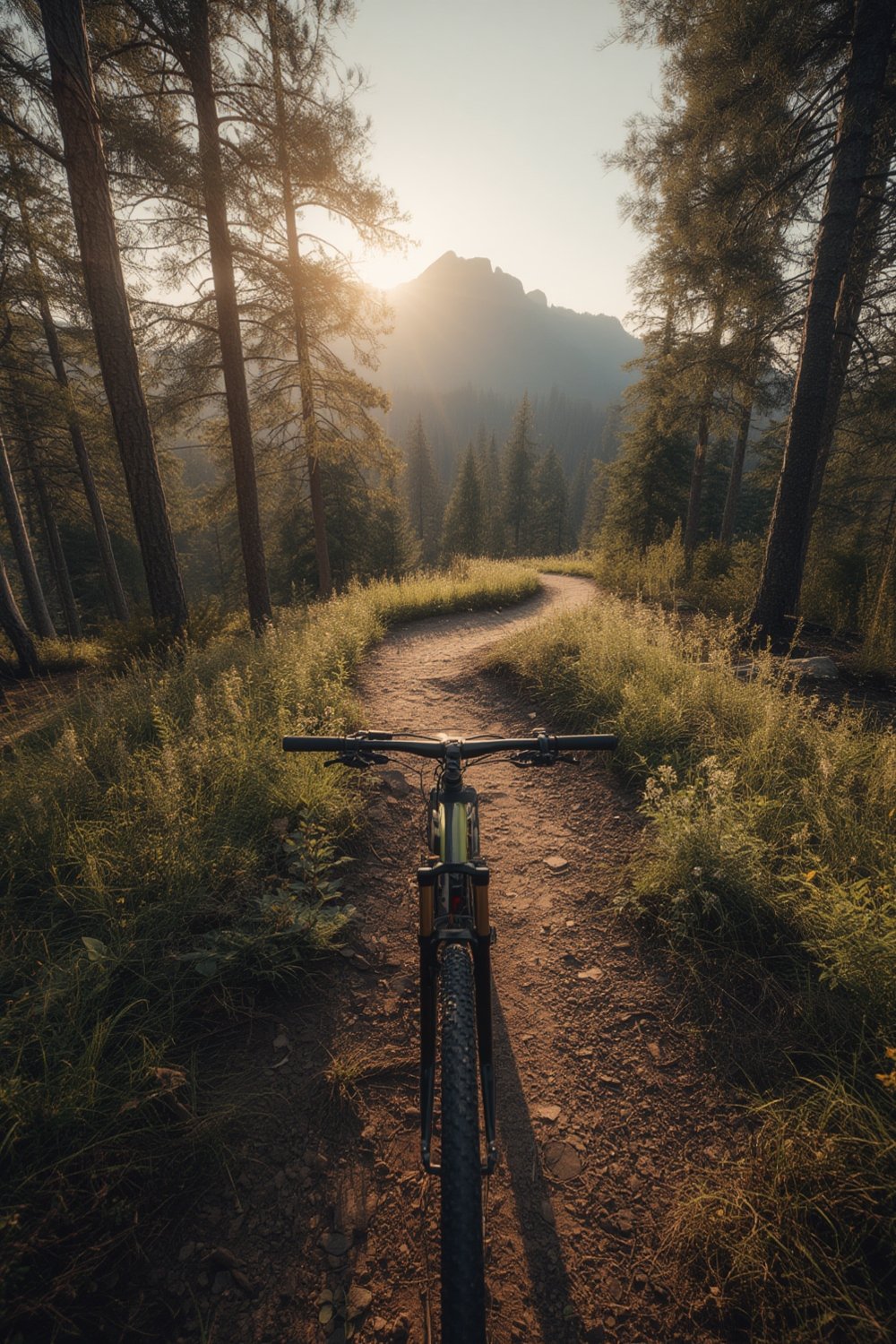
Not all trails are e-bike friendly, and technical factors like motor output, battery size, suspension, and weight can have a direct impact on your riding experience. While the latest bikes offer more power, quieter motors, and greater efficiency, issues around battery drainage and trail regulations can still catch both beginners and seasoned riders off guard. Informed preparation remains your strongest asset for safe and rewarding adventures.
How to Prepare for an Electric Mountain Bike Trail: Step-by-Step
-
Research trail eligibility and regulations in your region.
Check if the public or private trail allows electric mountain bikes, and if so, which class of e-bikes are permitted (especially in the US and EU). Inconsistent regulations remain common, with US federal lands in particular showing fragmented access—California and Colorado offer generous e-bike rebates, but not all trails are e-MTB friendly. [Source]
-
Choose a suitable e-MTB for trail conditions.
For most off-road trails, opt for a hardtail or full-suspension bike with a mid-range motor (250-500 W) and a battery over 800 Wh for extended rides. Lightweight models improve handling on technical trails. A hardtail e-MTB now holds nearly 60% of the market share. [Source]
-
Plan your route and calculate battery needs.
Account for elevation, distance, and weather. Steep terrain and cold temperatures can drain batteries faster. Torque of 85-95 Nm is optimal for tackling gradients up to 15%. Don’t rely solely on manufacturer range claims—in real conditions, expect less range.
-
Packing essentials and on-trail maintenance.
Bring a second battery or portable charger for long rides, as well as a toolkit, puncture repair kit, and weather-appropriate gear. For those interested in multi-day rides, see the best bikepacking bags guide for modular storage solutions.
-
Understand costs and maintenance.
Be aware of routine maintenance, potential insurance (especially in Germany and parts of the EU), and battery charging costs. While initial e-MTB prices vary, ongoing costs can add up—service, component replacement, and battery degradation all matter over time.
-
Stay prepared for emergencies.
Always carry basic safety equipment and navigation tools. Consider a satellite communicator for hiking and biking if you ride out of cell range.
-
Train for both strength and endurance.
Though the e-assist helps, trails are still physically demanding. Visit our outdoor adventure sports guide for tips on building trail-ready fitness.
-
Prepare your gear and apparel for trail conditions.
Moisture-wicking sports apparel and reliable footwear can keep you comfortable on long rides. See the best sports apparel for performance and comfort guide for essentials.
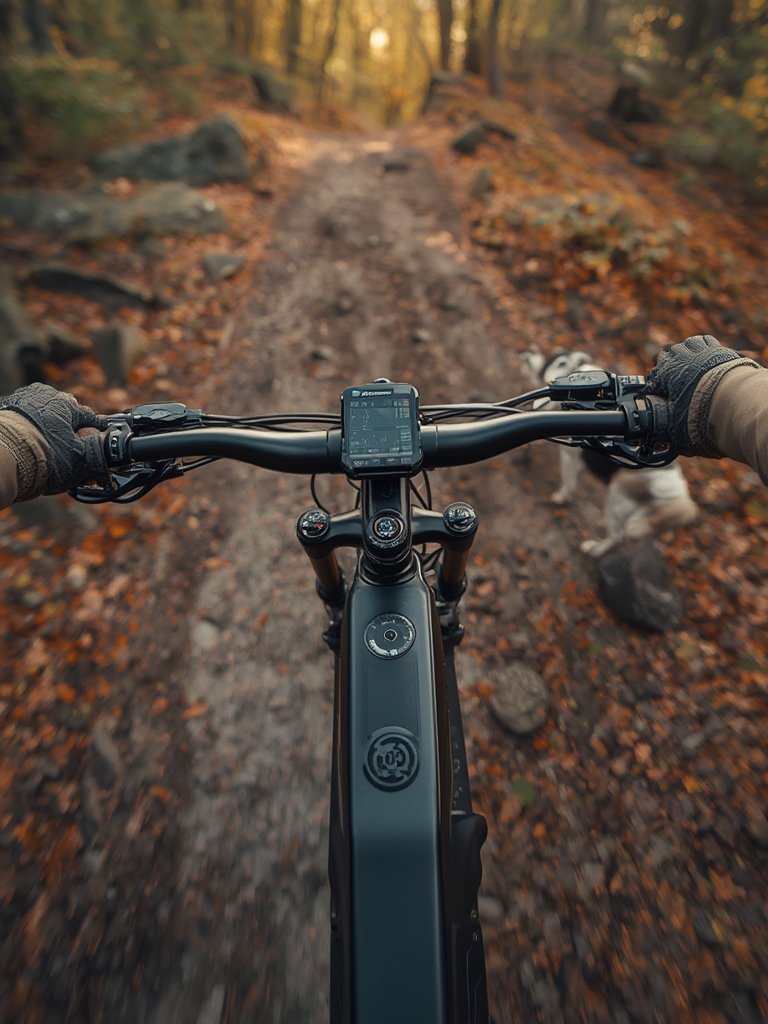
With the right planning and flexibility, you’ll be prepared for technical surprises, battery challenges, and sudden changes in weather. Smart preparation is even more important if you’re venturing into remote or high-altitude areas.
Advanced Analysis & Common Pitfalls on Electric Mountain Bike Trails
Despite modern advancements, e-MTB trail riding is not free from flaws. Here’s a look at key issues riders regularly encounter, plus a direct comparison of core technical specs found on today’s trail models:
- Battery Life Limits: Riders often experience much lower range than advertised, especially when tackling steep, technical terrain or when temperatures drop.
- e-MTB Weight: Even new lightweight models are often 6-10 kg (13-22 lbs) heavier than non-electric MTBs, making technical handling and hike-a-bikes physically demanding.
- Motor Noise: Mid-range and even premium motors may emit noticeable whine at high power—potentially disruptive in quiet natural settings.
- Complicated Maintenance: E-bikes require regular checks of electrical connections, moisture protection, and battery health—failures can leave you stranded.
- Unclear Trail Access: Gray areas in regulations can lead to fines, trail closures, or confrontations with land managers—always verify before riding.
| Feature | Trend/Typical Spec (2025-2026) | Considerations |
|---|---|---|
| Battery Capacity | 800+ Wh Li-ion (91% market share) | All-day rides possible, but performance drops in cold or on steep climbs (Source) |
| Motor Output/Torque | 250-500 W, 85-95 Nm (mid-drive dominant) | Balance of regulatory compliance and trail power; >500 W grows fastest |
| Weight | 19–25 kg typical (hardtail e-MTB) | Still much heavier than analog MTBs; portable ramps or assistance sometimes needed |
| Suspension | Hardtail (59% share), full-suspension growing | Full-suspension is better for rocky trails, at higher cost and weight |
Unrealistic expectations regarding battery, range, and illegal trail use can all catch new owners by surprise. Cost transparency is also lacking; initial bike prices do not reflect ongoing maintenance, optional insurance (mandatory in some EU regions), or battery replacement expenses. For extended camping trips, consider pairing your e-MTB setup with a portable camping power station for off-grid charging support.
Conclusion
Electric mountain bike trail exploration opens up wild terrain and new challenges—but it’s not without risks or barriers. Knowing the regulations, limits of your technology, and ongoing costs ensures you get all the upsides of e-MTB adventure without unwanted surprises. For most riders, investing time in bike and route preparation pays off exponentially, making every electric mountain bike trail ride safer, longer, and more fun. Ready to take your first ride? Research your local trails, gear up, and start planning your next route with confidence.
FAQ: Electric Mountain Bike Trails
Are electric mountain bikes allowed on all trails?
No, e-MTB access is highly variable and depends on local, regional, or federal land agency regulations. Always check trail signage or contact land managers before riding.
How far can I really go on a single battery charge?
Advertised ranges are often optimistic. With a 800 Wh battery and typical settings on technical trails, expect 30-50 km depending on elevation, temperature, and your assist mode.
What maintenance does an electric mountain bike require after trail riding?
Basic maintenance includes cleaning (especially motor connectors and drivetrain), checking tire pressure, brake pads, inspecting battery terminals, and updating firmware if needed.
Are repairs or insurance for e-MTBs much more expensive than normal MTBs?
Yes, e-MTB repairs and parts—especially batteries and motors—are typically pricier. Insurance may be required in parts of the EU or for high-value bikes.
Can I camp with an e-MTB and how do I charge my battery off-grid?
Yes, e-MTBs are increasingly popular for bikepacking and backcountry camping. Consider lightweight solar panels, or portable power stations for multi-day trips off-grid.