

Foil surf board innovation has transformed wave riding and opened new possibilities for surfers seeking a unique, high-speed experience above the water. Whether you’re just curious, looking to upgrade your gear, or aiming to enter this market, understanding the essentials is crucial for success and safety.
Key Takeaways
- The foil surfboard market is growing rapidly, especially in North America, with electric models showing the fastest rates of adoption.
- Accurate and up-to-date pricing, beginner versus advanced specs, and user safety data are lacking in public market reports. Buyers should research thoroughly before purchase.
- Beginner mistakes are common, and the learning curve is steeper compared to traditional surfing, but rewards are significant for those who persist.
- 1. The Core Concept of Foil Surf Boards
- 2. Step-by-Step Guide: Getting Started
- 3. Advanced Analysis & Common Pitfalls
- 4. Conclusion
- 5. FAQ Section
The Core Concept of Foil Surf Boards
A foil surf board uses a hydrodynamic fin system (“foil”) mounted beneath a special board. As you gain speed, lift is generated and the board rises above the water, drastically reducing drag and allowing for silent, gliding motion. Riders can harness even tiny waves or use electric propulsion, depending on the setup.
The appeal lies in unique sensations: flying above the water, riding smaller waves, and, for advanced boards, high-speed control. North America dominates this market, with strong growth in electric models and surf schools adding foil-based programs (source).

Surfers are choosing foil boards for a new challenge, the ability to surf less crowded breaks, and because they make even modest surf conditions exciting. As the market matures, expect both more accessible beginner boards and high-tech, lightweight models for experts.
Step-by-Step Guide: Getting Started
- Research Your Options: Decide if you want a traditional or electric foil surf board. Electric models cost more (and grow faster in popularity), but allow for riding without waves (source).
- Select a Board: For most beginners, go for a large, stable board with a medium or high-lift wing. If possible, try renting a foil board from a dedicated school or shop to experiment.
- Practice Safety: Wear a helmet, impact vest, and leash. Always practice in wide-open water with no swimmers nearby—foil setups are powerful and can be hazardous if mishandled.
- Master the Basics: Start by “pumping” without trying to catch waves at first. Focus on balance, foot positioning, and gradual lift. Many riders struggle to maintain stability initially—progress may be slow, but improvement comes with patience.
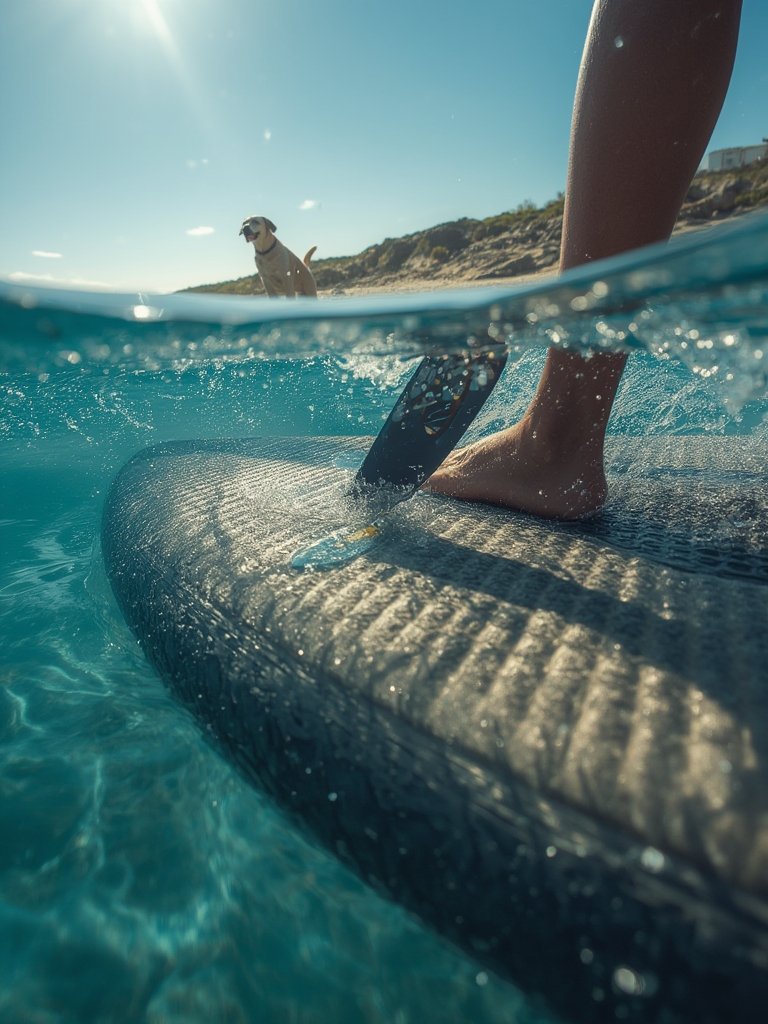
Ready to diversify your water adventures? Pair foil surfing with other fitness-focused outdoor activities—our outdoor adventure sports guide provides actionable advice for expanding your skills and boosting overall endurance.
Whether you build a strong core for foil control in your home gym setup or train balance through other activities, cross-training gives a tangible advantage on the water.
Advanced Analysis & Common Pitfalls
Diving deeper, real-world challenges hold significant weight for foil surf board buyers and new riders.
- Costs: Market data does not report exact prices, but expect a wide range (entry-level foils may start near $1,000, while high-end or electric models easily top $10,000). Confirm details before investing.
- Gear Choices: U.S. market growth is driven by more surf schools offering foil programs, but product details for beginner vs. advanced boards are sparse in published research (source).
- Injury Risks: No safety data is published comparing traditional to hydrofoil surfing. However, community experience highlights higher impact risks—foils are solid, sharp, and can cause injuries if not handled or ridden responsibly. Protective gear and preparedness matter.
- Market Variation: Reports show conflicting figures for global and regional market size, signaling a lack of standardized data. Always cross-check figures and buy from reputable sources (source).
- Steep Learning Curve: Most new users struggle with board control and balance. Many give up early or skip lessons, resulting in slower progress and possible injuries.
| Foil Surf Boards | Traditional Surf Boards | |
|---|---|---|
| Learning Curve | Steep, requires lessons and practice | Moderate, faster for some beginners |
| Injury Risks | Higher (hard, sharp foil can cause impact injuries) | Lower for most common injuries |
| Board Price Range | $1,000–$10,000+ (est.) | $300–$2,000+ (est.) |
| Accessibility | Requires uncrowded water, more specialized instruction | Can be used in most surf breaks |
| Performance Potential | Enables riding smaller waves, higher speeds | Limited by wave size, more drag |

Other pitfalls include investing in the wrong size or type of foil, skipping critical maintenance, or not progressing safety gear in step with skill level. If you’re already enjoying wing foiling, the wing foil board guide introduces up-to-date options and cross-training benefits as foil disciplines blend.
Conclusion
Foil surf boards are reshaping what’s possible in surf sports, but entering the scene requires careful gear choice, a solid commitment to learning, and attention to safety. While robust growth and innovation make boards more available each year, verifying specs and using the right protective equipment is essential for a great experience. For anyone looking to take water adventure to the next level—or diversify a fitness program across land, water, and air—a foil surf board offers unmatched progression potential. Start learning today, prioritize your safety, and glide into a new era of surfing.
Ready to invest in your first foil surfboard or go deeper? Review our sports apparel guide for watersports and check out our newest guides on ultralight adventures to round out your gear.
FAQ Section
What is the main advantage of using a foil surf board over a traditional surfboard?
Foil surf boards let you ride above the water, reducing drag, and can catch smaller or weaker waves that traditional boards can’t. This creates new possibilities for riding locations and conditions.
How much should I budget for a beginner foil surf board setup?
Entry-level foil setups typically start around $1,000 and can exceed $10,000 for advanced or electric models. Research recent offerings carefully and always budget for required safety accessories.
Is foil surfing safe for beginners?
Foil surfing comes with a steeper learning curve and increased impact risk. Beginners should always wear safety gear, take lessons, and practice away from crowded areas.
What are the major brands or models recommended for foil surfing?
Current research reports do not list specific brands or models. Check forums, surf schools, or equipment retailers for up-to-date recommendations and test before you buy if possible.
Are foil surf boards only for surfing waves?
No—electric foil boards allow riding on flat water, making them accessible even where surf is unreliable. This flexibility is driving high growth rates in the electric foil segment.