

### Blog Post:
Sun hoodie hiking is one of the most effective and comfortable ways to protect your skin from harsh UV rays on the trail, especially in high UV environments, alpine terrain, and during long summer days. Choosing the right sun hoodie can prevent sunburn, overheating, and discomfort, but not all designs or fabrics offer the same level of protection or performance. Here is what you need to know if you want real, evidence-based sun safety—and trail comfort—out of your next sun hoodie.
Key Takeaways
- UPF 50 or 50+ sun hoodies now set the standard for all-day hiking and high-UV conditions—lower ratings provide less reliable protection.
- Breathability, odor control, and long-term UPF durability vary greatly across fabrics; budget options can disappoint in comfort and lifespan despite similar ratings.
- Pain points include heat buildup, poor hood/fit, and questionable cost-to-value—know what to look for before you buy.
- 1. Why UPF 50 Matters: Fundamentals of Sun Hoodie Hiking Protection
- 2. Step-by-Step: How to Choose and Use the Right Sun Hoodie for Hiking
- 3. Advanced Analysis & Common Pitfalls with Sun Hoodie Hiking
- 4. Conclusion
- 5. FAQ: Sun Hoodie Hiking Advice
Why UPF 50 Matters: Fundamentals of Sun Hoodie Hiking Protection
UPF—Ultraviolet Protection Factor—measures how much UV radiation penetrates your clothing to reach the skin. Modern hiking guidelines no longer settle for just any rating: UPF 30 is the minimum you should accept, and UPF 50 or 50+ is now standard for serious or all-day hiking, especially at high elevations and intense sun exposure. Shirts labeled UPF 50 block at least 98% of UV, while UPF 20–29 only blocks around 95%—small differences that add up fast over a long day outside.
Major organizations like the Skin Cancer Foundation only award their Seal of Recommendation to shirts rated UPF 50 and above, not 30. Field tests and reviews from sources like OutdoorGearLab confirm that most top performer sun hoodies in 2024 are now labeled UPF 30–50+, with polyester fabrics often doing best because of their tight weaves and naturally high UV resistance.

For hikers, choosing a hoodie with UPF 50+ is not just about prevention—it’s about comfort and reducing dependence on sticky, sweat-removing sunscreen. This is especially critical on alpine ridgelines, in bright desert conditions, or if you have fair skin. Lower UPF shirts (especially older, washed-out synthetics or cotton) can give a false sense of protection and degrade faster. Leading sun hoodie brands now regularly test to maintain claimed UPF ratings even after multiple washes and wear cycles, but independent post-use test data is still rare, so choosing reputable brands matters for long-term protection.
For more technical hiking clothing insights, see best sports apparel for performance and comfort.
Step-by-Step: How to Choose and Use the Right Sun Hoodie for Hiking
There are thousands of sun hoodies on the market, but few excel in actual, long-day trail use. Here’s a practical process to get the right protection and comfort for your hikes:
- Decide your minimum UPF threshold. For all-day hiking, trail running, or any time at altitude/midday sun, set your bar at UPF 50/50+. Smaller or lighter shirts with only UPF 30 are fine for low-UV or short exposure, but be realistic about when you need maximum protection. Look for clear labeling and, ideally, a Skin Cancer Foundation Seal.
-
Pick the right fabric blend and weight.
- Polyester remains the benchmark for affordable, durable UPF 50 hoodies that wick and dry quickly. Most “best overall” picks use a 120–160 g/m² polyester or blend, and have grid-knit or open-mesh for improved airflow.
- Merino blends (e.g., Ridge Merino’s mForce™) offer superb odor resistance and comfort for multi-day trips, though usually at UPF 30–40 and a higher price.
- Consider mineral-infused or dense high-tenacity fabrics if you want UPF that lasts through heavy use, but keep in mind some are warmer or pricier.
-
Try before you buy—focus on fit, hood design, and seam placement.
- Ensure the hood can fit over your sun hat and stays put in wind.
- Check torso and sleeve length—many users complain about shirts riding up under packs or sleeves being too short when reaching with trekking poles.
- Look for underarm gussets, smooth seams, or reinforced panels for pack-wearing comfort (see our guide to outdoor adventure hiking for broader trail tips).
-
Weigh odor resistance and durability.
- 100% polyester/nylon dries extremely fast but can stink after one or two heavy-sweat days, even after laundering. Merino or hoodies with anti-odor treatments are better for longer trips, but may require gentler washing for durability.
- Be wary of ultralight “featherweight” shirts if bushwhacking or wearing heavy packs—they snag and tear easily even if they’re comfy at first.
- Check return policies and use them. Premium brands like Patagonia, Outdoor Research, and REI stand behind their products with long returns and sometimes warranty support—not always for fading UPF, but definitely for fit, comfort, or stitching issues. Read the policy closely and don’t hesitate to exchange or return a hoodie that fails after a few trips.
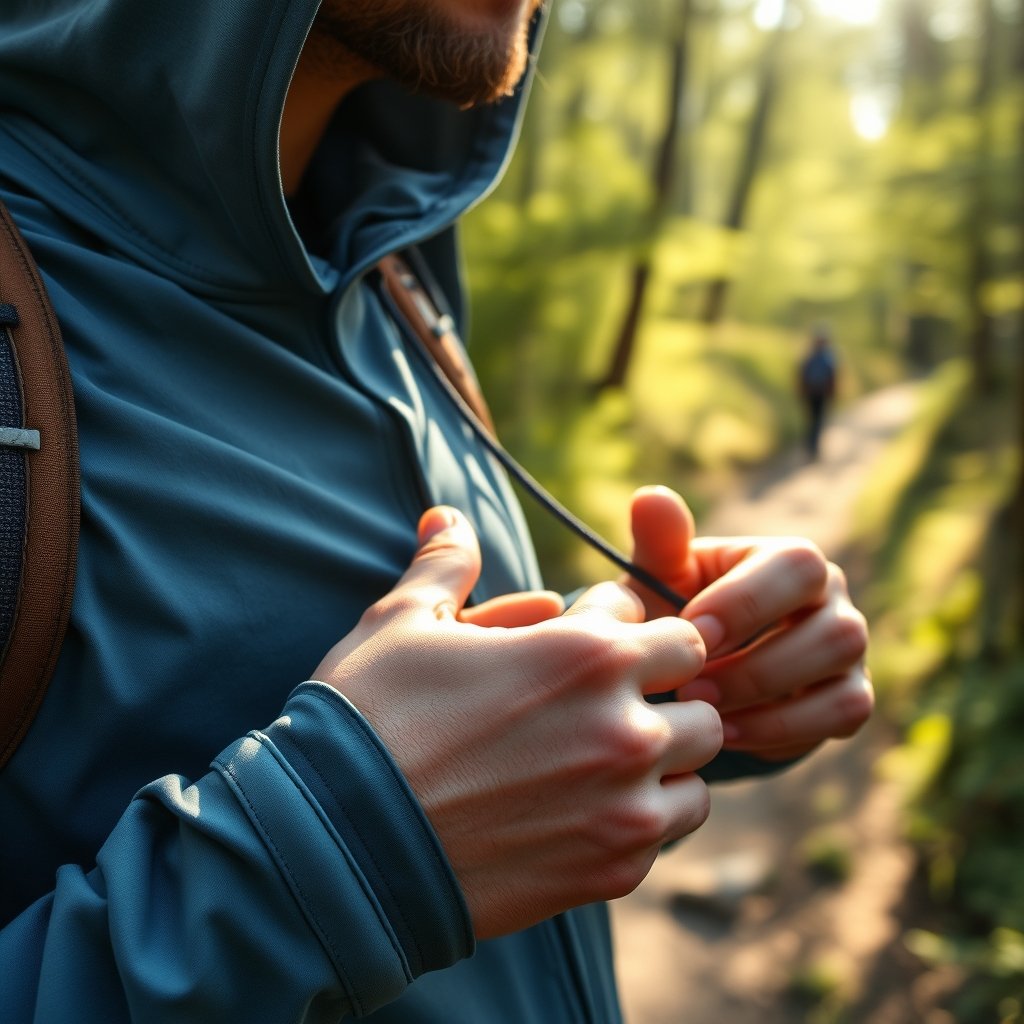
Bonus: Consider replacing lower-end hoodies every season if you notice significant pilling, lingering odors, or visible thinning—these are practical signs that UPF protection may be compromised.
For more cost-to-value tips when upgrading your gear, see our ultralight backpacking gear guide.
Advanced Analysis & Common Pitfalls with Sun Hoodie Hiking
Not all sun hoodies deliver what their tags promise. Here’s where most hikers and trail runners run into problems:
| Problem | Why It Happens | Best Workaround |
|---|---|---|
| Heat buildup, trapped sweat in humid climates | Tightly woven UPF 50 synthetics block sun but also air, especially in heavier knits or with closed hoods | Choose lighter fabrics, mesh vents, or quarter-zip designs. Go looser for airflow, and alternate hood on/off |
| UPF loss after months of wear/washing | Fabrics stretch, snag, and loosen, reducing density and UV protection; chemical treatments may wash out | Rotate two hoodies for heavy use. Monitor visible wear, and replace if thinned or heavily pilled. Stick to reputable brands who specify test standards |
| Odor and cling after repeated use | Synthetics trap sweat and bacteria; repeated wet-dry cycles can worsen buildup, especially on long trips | Wash with odor-fighting detergents. Air dry fast and in the sun if possible. Upgrade to merino blends if this is a persistent issue |
| Poor fit—hood, arms, or sleeves too short or loose | Generic cuts may not account for hats or female/muscular frames; mass-market sizing lacks trail focus | Try on with pack and hat. Size up if unsure. Prioritize brands with a reputation for good, true-to-size fits |
| Fabric snags, holes, seam failure | Ultra-lightweight knits or lower-quality thread/seam construction give out after heavy pack use | Favor technical or premium brands if you hike with a loaded pack or in rough brush. Inspect seams before committing |
Three advanced buying considerations most “best of” lists ignore:
- Long-term UPF durability: UPF 50 claimed on the tag may drop after 50+ washes, abrasion from your pack, or thread breakage. Don’t expect indefinite protection—replace every 1–3 years or at first signs of major wear. True test data post-wear is rarely published.
- Thermal comfort vs. coverage tradeoff: In humid heat, even the best UPF hoodie can feel sticky; merino blends can be better for thermoregulation but may lose out on max UPF or durability.
- Cost-to-value ratio: A premium sun hoodie ($80–$120) pays off for frequent, long hiking but can disappoint casual users if odor or fit disappoint. Cheaper fishing shirts look good—until they fail mid-season. Weigh how often you hike before spending big, and use store leniency in return policies.
For field-tested strategies to get more from your next trail day, check our ultralight backpacking gear 2026 feature. To prevent “sun hoodie buyer’s remorse,” compare return and warranty offers from big brands, and leverage in-store try-ons for real-world fit checks (for more on buying technical apparel, see Ridge Merino’s guide).

Conclusion
The best sun hoodie hiking strategy in 2024 is to demand UPF 50 or 50+ protection, focus on comfort/breathability, and prioritize durability and fit that matches your adventures. Don’t get distracted by low price tags alone—a great fit, solid odor control, UPF that lasts, and reputable warranty support are worth the investment. Shop smart, expect to test, and don’t be afraid to return or upgrade if your first sun hoodie hiking attempt doesn’t keep up. Ready to protect yourself? Invest in higher-UPF trailwear and hike comfortably longer!
FAQ: Sun Hoodie Hiking Advice
Does a sun hoodie replace sunscreen for hiking?
A UPF 50 sun hoodie massively reduces UV exposure on covered areas, but sunscreen is still needed for exposed skin (hands, lower face, or when taking the hoodie off). Sun shirts are a practical base, not a complete replacement.
How long does UPF rating last on a sun hoodie?
UPF protection can diminish with wear, washing, stretch, and abrasion. Many synthetics last 1–3 years with regular use. Replace your sun hoodie if it develops thinning, holes, or permanent odor—it’s likely less protective at that point.
Should I get polyester or merino blend for sun hoodie hiking?
Polyester offers higher and more durable UPF, dries faster, and is usually cheaper. Merino blends provide better odor resistance and comfort, especially for multi-day use, but usually less than UPF 50 and may need gentler care.
How do I choose the best fit and hood design?
Look for a hoodie that allows your preferred hat underneath and reaches your sleeves and torso when you stretch. Try it on with your hiking pack, and opt for loose but not saggy sizing for both airflow and coverage.
Are premium sun hoodies worth the higher price?
If you hike or run regularly, especially in harsh sun or high UV, premium hoodies often outlast and outperform budget picks in comfort, fit, durability, and return policies. Occasional hikers may do fine with a good mid-range option.