

### Blog Post:
Hydration vest running is the essential solution for long trail runs, ultras, or mountain racing when handheld bottles and belts aren’t enough. If you want stable, hands-free hydration plus room for nutrition and mandatory gear, understanding today’s best hydration vests and common problems is vital. This guide cuts through the hype to provide actionable advice, practical buying tips, and up-to-date research on what matters most.
Key Takeaways
- Choosing the right hydration vest can dramatically improve comfort and performance for long-distance running and trail races—but fit and hydration systems can cause issues if overlooked.
- The hydration vest market is growing fast with more options targeting diverse body shapes, but user pain points like chafing, bounce, and leaks remain common challenges.
- Focusing on critical specs—fit, storage, access, and durability—can help you avoid costly mistakes, especially at premium price points.
- The Core Concept
- Step-by-Step Guide: Choosing & Using a Hydration Vest for Running
- Advanced Analysis & Common Pitfalls
- Conclusion
- FAQ
The Core Concept
Hydration vest running is about efficient, hands-free hydration and gear access on the move, especially on rugged trails or during ultra-distance efforts. Unlike old-school hydration packs or handhelds, modern vests sit close to your torso, keep water weight stable, and add easily reachable storage for snacks, phone, poles, or a rain shell. The right vest boosts comfort, helps you maintain pace, and ensures you’re covered for race safety and nutrition requirements—making it a critical investment for any serious trail runner or long-distance athlete.

Step-by-Step Guide: Choosing & Using a Hydration Vest for Running
-
Define Your Needs
Start with the basics: race, ultra, or training? Trail or road? How much gear (nutrition, safety, phone, jacket) do you actually need to carry? -
Set a Realistic Budget
Entry-level vests cost $50 to $90, mid-range $100 to $160, and top models $160 to $250 [source]. Higher prices mean better fit, more adjustability, lighter weight, and refined storage layouts—but even some mid-range vests outperform expensive options. -
Focus on Fit and Comfort First
Try before you buy if possible. Look for adjustable sternum straps (preferably two), soft mesh, and minimal seams along the shoulders and collarbones. Women and runners with smaller or atypical frames should compare unisex vs female-specific models for chest/strap routing comfort. -
Check Hydration System Compatibility
Know if you want front soft flasks, a rear bladder, or both. Good vests support 2 x 500ml bottles up front and a 1.5L to 2L bladder in back. Test the pockets—can you remove, drink, refill, and re-stow bottles on the go? -
Assess Storage Without Overkill
Main options: phone pocket, nutrition stash, rear stuff sack for extra layers, and pole carry. Avoid huge expedition vests if your usual runs need only 3-5L of storage. -
Consider Weight, Durability, and Materials
Lightweight (100-200g) vests are great for racing but sometimes less rugged. Ultra-runners should look for quick-drying, abrasion-resistant mesh, and reinforced stash pockets. -
Test for Bounce, Stability, and Access
Load the vest as you would for race day. Run fast, jump, and descend. There should be no bottle “piston” effect or hard edges digging in—otherwise, try a different size or model. -
Prioritize Safety Details
Integrated whistle, reflective strips, and attachment points for a headlamp are musts if you run or race at night or in the mountains. -
Maintain and Clean Regularly
Wash soft flasks/bladders between every run to avoid taste issues—avoid harsh detergents. Hang dry fully. Check zippers and seams for wear if you use your vest often.
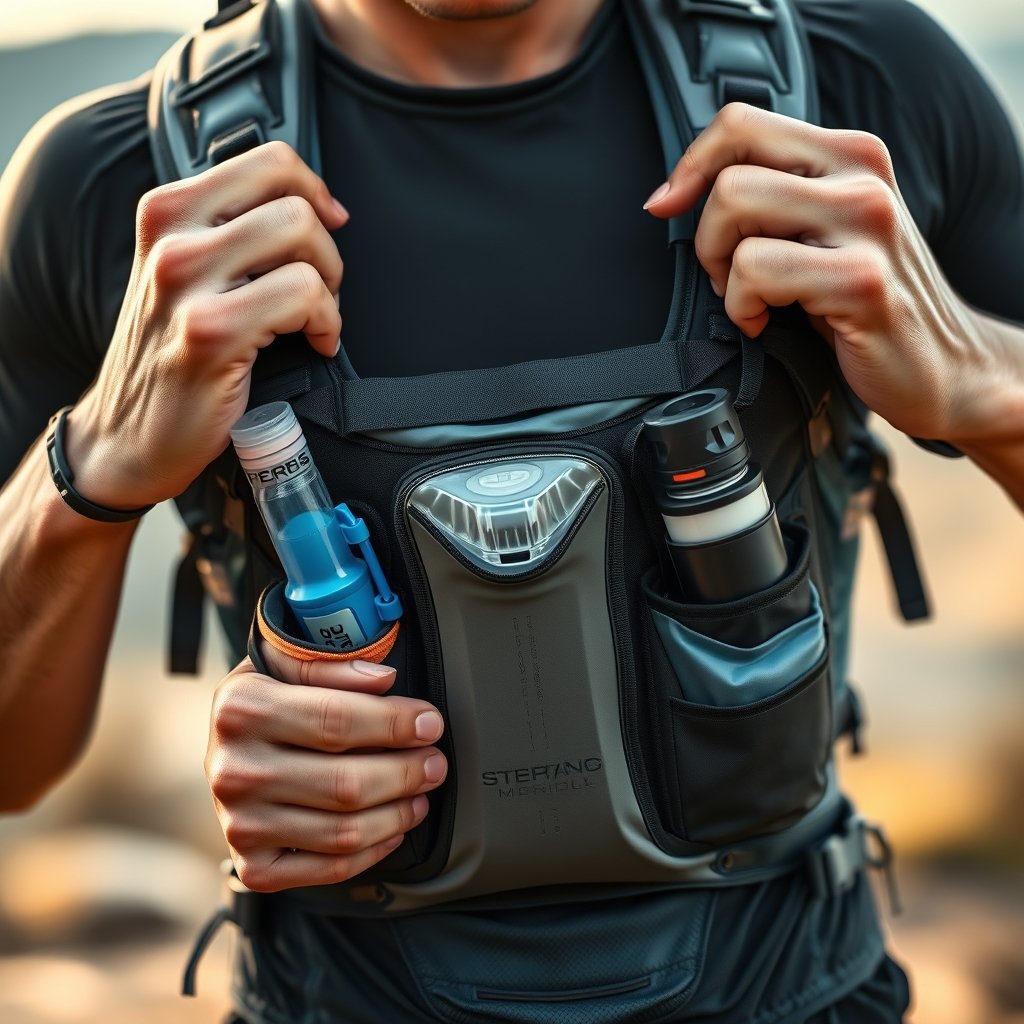
For multi-sport athletes, some vests double as lightweight hiking or fast-packing packs. If you’re curious about expanded fitness options, check out our guide on outdoor adventure sports for endurance.
Advanced Analysis & Common Pitfalls
Common Pitfalls in Hydration Vest Running
- Chafing on collarbone, underarm or chest, often from poor strap design or rough seams. Especially common for women and smaller runners with non-adjustable vests.
- Bounce and Poor Stability when hydration flasks are full or when descending, leading to distraction and discomfort.
- Leaks from bottles, valves, or bladders—sometimes soaking the vest or causing chafing [source].
- Difficult Access to front flasks or nutrition pockets, especially with stiff or poorly placed openings.
- Poor Long-Term Durability: Elastic mesh or adjusters can wear out or lose stretch after 1-2 seasons, which is rarely reported in quick gear reviews.
- Lack of Gender-Specific/Body-Specific Fit: Most vests are “unisex,” but true comfort requires attention to unique chest and torso shapes. Nonbinary and trans runners may also face unique fit challenges.
- Overbuying: Many first-timers buy huge-volume vests designed for stage races when a 5-8L vest is plenty for up to 50K events.
| Feature | Entry ($50-90) | Mid-Range ($100-160) | Premium ($160+) |
|---|---|---|---|
| Typical Capacity | 1–5L, may exclude flasks | 5–12L, includes flasks/bladder | 12–20L, advanced features |
| Best For | Short trail/first ultra | Marathon/ultra/training | Long ultras/expeditions |
| Downsides | Bounce, basic fit, fewer sizes | Best performance/value | Diminishing returns, can overpay |
| Materials | Heavier mesh, basic fasteners | Quick-dry mesh, sturdy adjusters | Ultralight, proprietary fabrics |
| Extras | N/A or basic whistle | Whistle, phone pocket, pole carry | Race safety, advanced pockets |
Current market growth for hydration vest running is strong, with the global running hydration vest segment expected to nearly double in the next decade [source]. Still, pitfalls around fit and hydration system durability remain. Learn more on how to avoid overbuying with our deep dive on trail running vest features.
If you’re assembling a broader outdoor kit or planning fastpacking trips, don’t overlook related accessories—see our insights on ultralight backpacking gear and compact camping cookware for streamlined adventures.

Conclusion
For trail and long-distance runners, choosing the right hydration vest for running can make the difference between a smooth effort and a miserable day. Prioritize fit, stability, and functional storage above gimmicks or unnecessary capacity. Test your vest fully loaded at race pace before long events—don’t trust only first impressions. For deeper insights on athletic clothing, see our guide to the best sports apparel for performance.
Ready to level up your hydration vest running? Compare models, check sizing charts, and research field-tested reviews to find the best fit for your body and adventure goals.
FAQ
How do I stop my hydration vest from chafing?
Make sure the vest sits snug, with sternum and side straps adjusted evenly. Use body glide or anti-chafe balm at contact points for long runs. If chafing persists, try a different size, or look for vests with softer seam-free mesh.
Can I use a running hydration vest for hiking or mountain biking?
Yes, most running vests work for light hiking or short rides, especially minimalist fastpacking. For heavy loads or technical cycling, consider activity-specific packs.
How much water should my hydration vest carry for an ultramarathon?
Most ultra vests hold 1–2L in a bladder plus two 500ml (or 600ml) soft flasks. Total capacity depends on aid station spacing, but 1–2L is typical for unsupported sections.
What’s the difference between men’s and women’s hydration vests?
Women’s vests usually have narrower shoulders, higher sternum straps, and contoured chest panels for a better fit. Always try both if possible—some men find women’s vests fit better and vice versa.
How should I clean and store my hydration flasks and bladders?
Rinse thoroughly with warm water after every use. Dry completely before storing to prevent mold. For deep cleaning, use mild soap or special cleaning tablets, avoiding harsh chemicals.
—