

### Blog Post:
Compact camping cookware has become essential gear for anyone looking to lighten their pack without sacrificing hot meals in the outdoors. The market is evolving fast, and choosing the right kit can make or break your camping trip—whether you’re a solo hiker or leading a group into the wild. Here’s what you need to know before you buy, pack, or upgrade.
Key Takeaways
- Modern compact camping cookware emphasizes lightweight, sustainable materials such as titanium, aluminum, and hard-anodized alloys for improved portability and functionality.
- Most guides miss critical real-world performance details—including fuel efficiency, packability, and accessory compatibility—so test kits yourself before buying.
- Rising demand and regulatory changes (like growing fire bans) are rapidly shaping which compact cookware and stove kits are relevant for hikers and campers in 2024 and beyond.
- What Makes Compact Camping Cookware Essential?
- How to Choose the Best Compact Camping Cookware: Step-by-Step
- Advanced Analysis and Common Pitfalls
- Conclusion
- FAQ
What Makes Compact Camping Cookware Essential?
Compact camping cookware is gear designed for hikers, backpackers, and campers who need to prepare meals without hauling unnecessary weight or bulk. The technology and trends in 2024 focus on ultralight, stackable sets made from materials like titanium, advanced composites, and hard-anodized aluminum. The market for camp cookware hit $3.2 billion in 2024, driven by the explosion in outdoor adventure, an uptick in disposable incomes, and the widespread desire for lighter, more eco-friendly kits. [Market source]
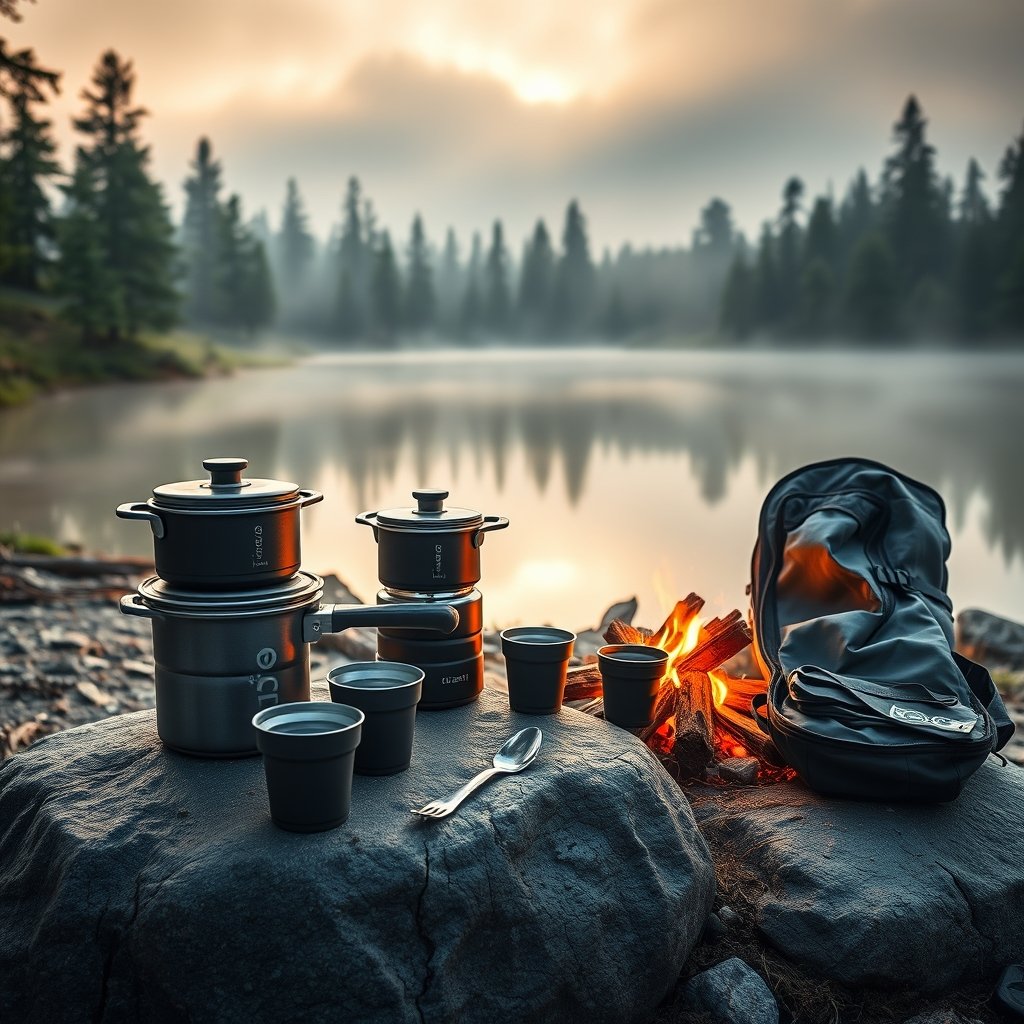
Compact cookware isn’t just about weight—it’s about versatility, packability, and adapting to real-world outdoor scenarios. Pot systems in the 800-1000 ml range (ideal for 1-2 campers) are considered “ultralight” when they weigh just 5-7 oz. Group kits that stack for two to four people balance convenience with space-saving design. Meanwhile, innovations like digital temperature controls and eco-friendly, non-toxic coatings are raising the bar for performance and sustainability.
The choices you make won’t just affect your backpack—regulations and fire bans (impacting 28% of U.S. camping zones) push the demand away from open-fire gear toward efficient stove-compatible kits. These details could be the reason your backcountry menu succeeds (or fails), so it’s important to go beyond marketing claims and focus on real use cases.
How to Choose the Best Compact Camping Cookware: Step-by-Step
Selecting the right cookware kit is more than chasing trending materials or the lightest published weight. Here’s a direct guide to building your setup:
-
Define your use case:
- Solo hiking: Choose ultralight pots (5-7 oz, 800-1000 ml volume), favoring heat exchanger-equipped aluminum for super-fast boil times and titanium for the lowest possible base weight.
- Group camping: Focus on multi-pot stackable sets (2-4 person), prioritizing hard-anodized aluminum or durable titanium alloys for repeated group use and easy cleaning.
-
Evaluate essential specs:
- Weight and pack size are critical—test if your kit nests inside your pack next to bulkier gear (such as ultralight backpacking gear or bikepacking bags).
- Check volume (800-1000 ml for solo, 1.5-2 L for groups) and ensure handles lock tightly to avoid tipping over your stove.
-
Research the materials:
- Titanium: Lightest option, durable, doesn’t dent easily, but uneven heat distribution (hot spots are common).
- Aluminum/hard-anodized aluminum: Excellent for heat-exchanger pots—better fuel efficiency and quick boiling, more affordable, but can dent.
- Premiums (ceramic-coated steel, titanium-infused cast iron): For durability and cooking experience, but at premium prices ($200–$500 for high-end open fire sets) [More info].
-
Seek out real-world fit:
- Test nesting and packed dimensions. Many top articles skip empirical “does it fit my pack?” testing. Bring your main pack to the store or measure carefully if ordering online.
-
Factor in must-have accessories:
- Look for integrated features such as built-in measurement markings, secure lids (to double as fry pans), nested utensils, and pack-friendly fuel compatibility. Windshields can be a real game-changer in exposed campsites.
-
Review regulatory safety and fuel options:
- New rules in many national parks ban open flames—ensure your kit works well with canister, alcohol, or liquid fuel stoves. Avoid investing heavily in open-fire cookware unless you camp in unrestricted regions [Industry forecast].
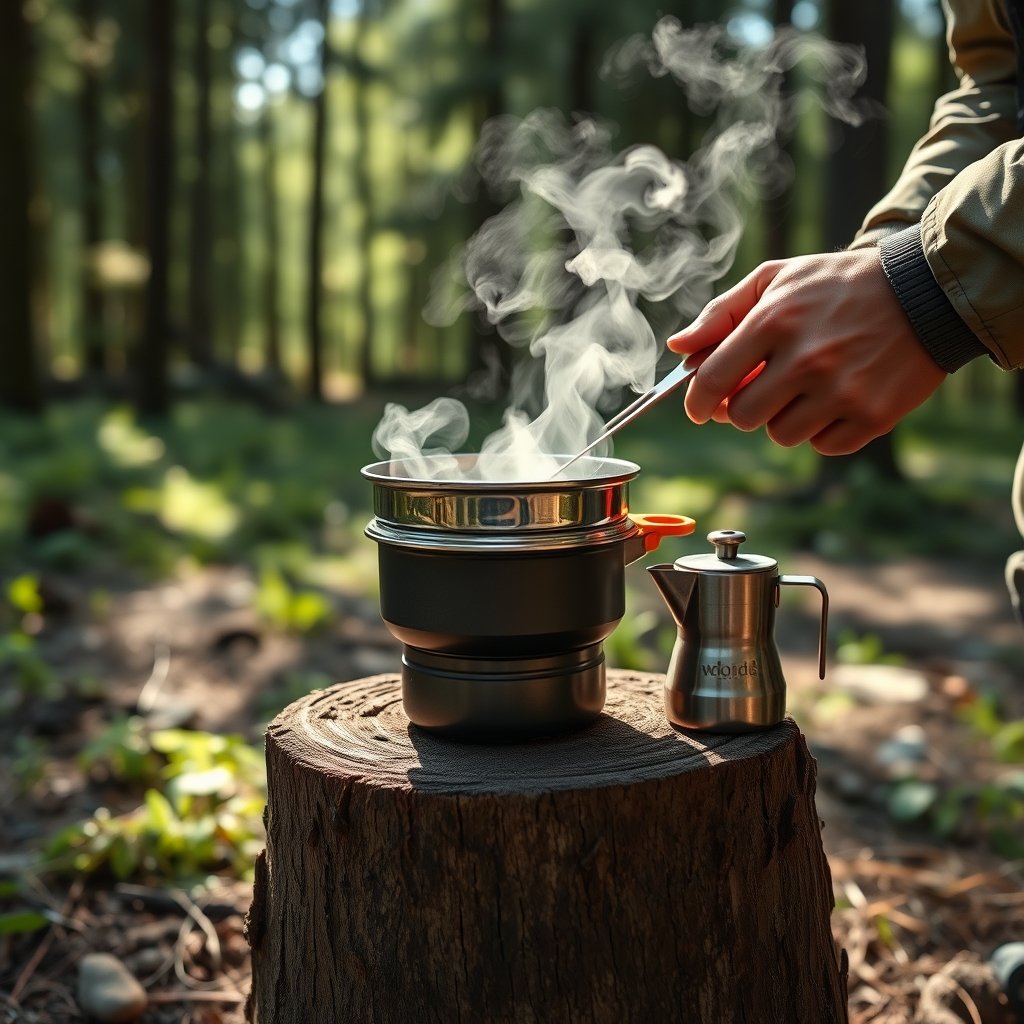
Make sure your selected cookware kit aligns with your other camping strategies for unique sites or fast-setup shelter choices—especially for impromptu adventures where every cubic inch matters. For longer expeditions, consider kits compatible with compact stoves and portable power options, such as those outlined in our portable power station guide.
Advanced Analysis and Common Pitfalls
Even the best compact camping cookware can fall short if you don’t anticipate these real-world challenges. Here’s an evidence-based breakdown of issues buyers actually encounter and what’s generally missing from top online reviews:
| Issue | Why It Matters | What to Watch For |
|---|---|---|
| Packability and nesting inefficiency | Published dimensions rarely account for awkward shapes; wasted space can be the enemy of a tidy pack. | Test full kit packed—fit your cup/stove/fuel inside the main pot whenever possible. |
| Weight “creep” from accessories | Manufacturers may list only the pot’s weight—lids, handles, and storage pouches can add unexpected ounces. | Weigh your complete kit—don’t skip any part you’ll actually carry. |
| Poor fuel efficiency details in reviews | Very few sources provide boil times, wind performance, or side-by-side fuel consumption comparisons. | Favor heat-exchanger pots, especially for high winds or cold—test boil time if possible. |
| Overlooked add-ons/compatibility issues | Accessories like measuring lines, windshields, or folding utensils often skipped in both kits and reviews. | Check accessory needs for your cooking style (pour-over coffee, complex meals, etc). |
| Changing fire regulations | Open-flame bans are growing—open-fire-only sets may see less use every year. | Choose versatile kits that work on both stoves and fires, but prioritize canister/alcohol compatibility. |
If you want your cookware investment to pay off, don’t ignore niche accessories—like titanium sporks, windshields, or modular cups. These can have as much practical impact as the core pots and pans. For more insights into optimizing your entire outdoor setup (from energy management for adventure to comfort tweaks), see our other guides.
Conclusion
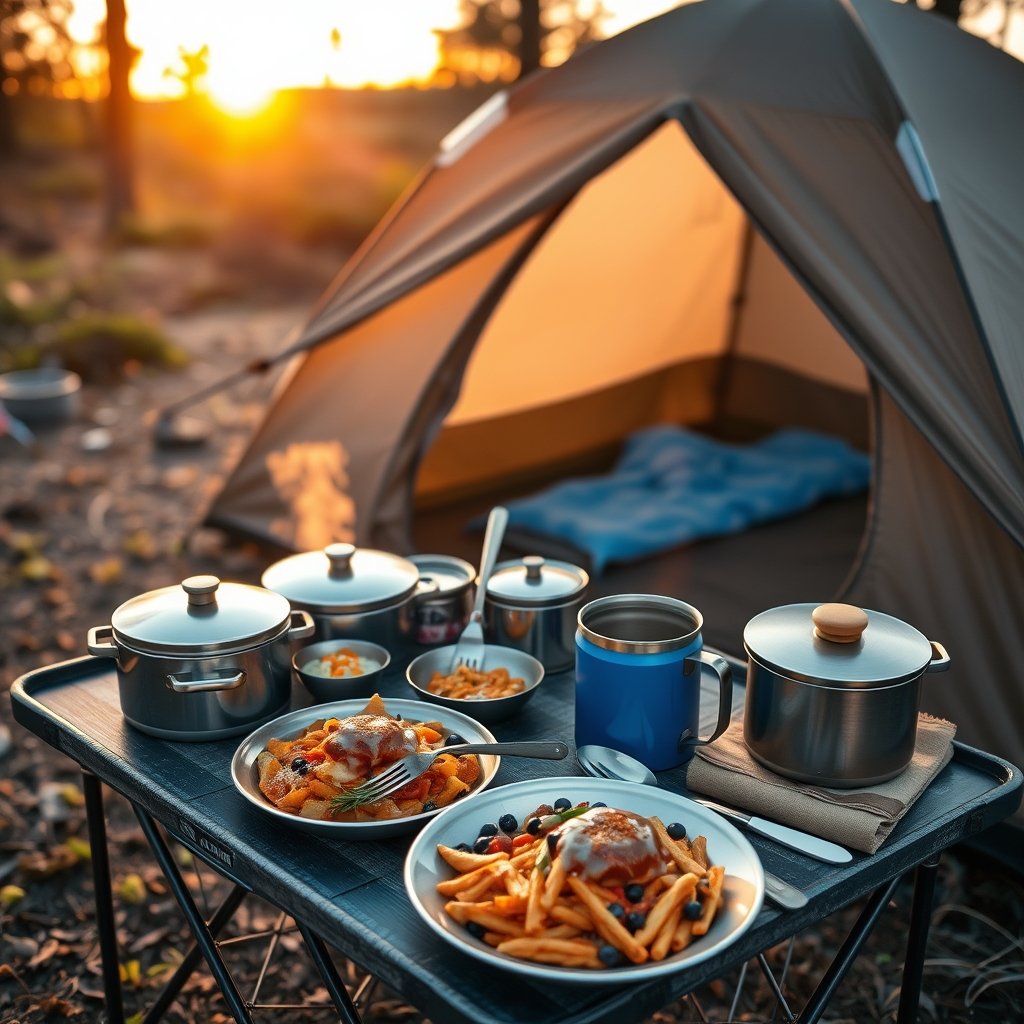
Choosing compact camping cookware is about much more than owning the “next big thing.” You need to consider weight, durability, fuel compatibility, pack fit, and the realities of fire bans—all factors influencing real-world success. The best approach is to test, compare, and value true packability over published stats. If you want to enjoy every meal, stay agile as regulations shift, and maximize your adventure, invest time in researching and optimizing your compact camping cookware.
Ready to upgrade your outdoor kitchen or optimize your full camp system? Explore our full library for hands-on guides, and don’t forget to test your kit at home before your next trip!
FAQ
What classifies as “ultralight” compact camping cookware in 2024?
Ultralight means a pot weight of 5-7 oz at 800-1000 ml volume, often with aluminum heat exchangers or pure titanium for those without exchangers.
How do I test if a cookware set is truly compact?
Nest all components (including your stove and fuel canister) inside the largest pot, then test if the entire kit fits easily in your primary backpack pocket or alongside your main gear.
Are open-fire cookware kits still a good investment given current regulations?
Fewer camping areas allow open fires due to rising bans (28% in the U.S.). Consider a stove-compatible kit first, or a versatile system that works for both fire and gas stoves if your regions permit.
What’s the best material for compact cookware—titanium, aluminum, or something else?
Titanium is lightest and most durable. Hard-anodized aluminum offers better boil times and sometimes better cooking performance. Advanced composites and coated steels have niche advantages but can add weight or drive up cost.
What commonly overlooked accessories make a difference in camp?
Integrated measuring marks, windshields, modular cups/bowls, and multi-use lids double your kit’s utility without much extra weight. Many reviews overlook these add-ons.