

Portable power station camping is now essential for modern campers, letting you charge phones, lights, CPAPs, and even mini-fridges while totally off-grid. With demand surging and technology improving each year, understanding how these devices work—and their real limitations—can make or break your next outdoor adventure.
Key Takeaways
- The global portable power station camping segment was worth $0.61 billion in 2024 and is growing, especially for units below 1000Wh for portability and balanced runtime.
- Choosing the right watt-hour capacity, checking real-world compatibility, and understanding the limits of solar charging are critical for hassle-free camping power setups.
- Lack of transparent specs on battery lifespan, real-world charging times, and maintenance costs remains a major pain point for campers.
- What Is Portable Power Station Camping and Why Is It Booming?
- How to Select and Use a Portable Power Station for Camping (Step-by-Step Guide)
- Advanced Analysis & Common Pitfalls of Portable Power Use in Camping
- Conclusion
- Frequently Asked Questions
What Is Portable Power Station Camping and Why Is It Booming?
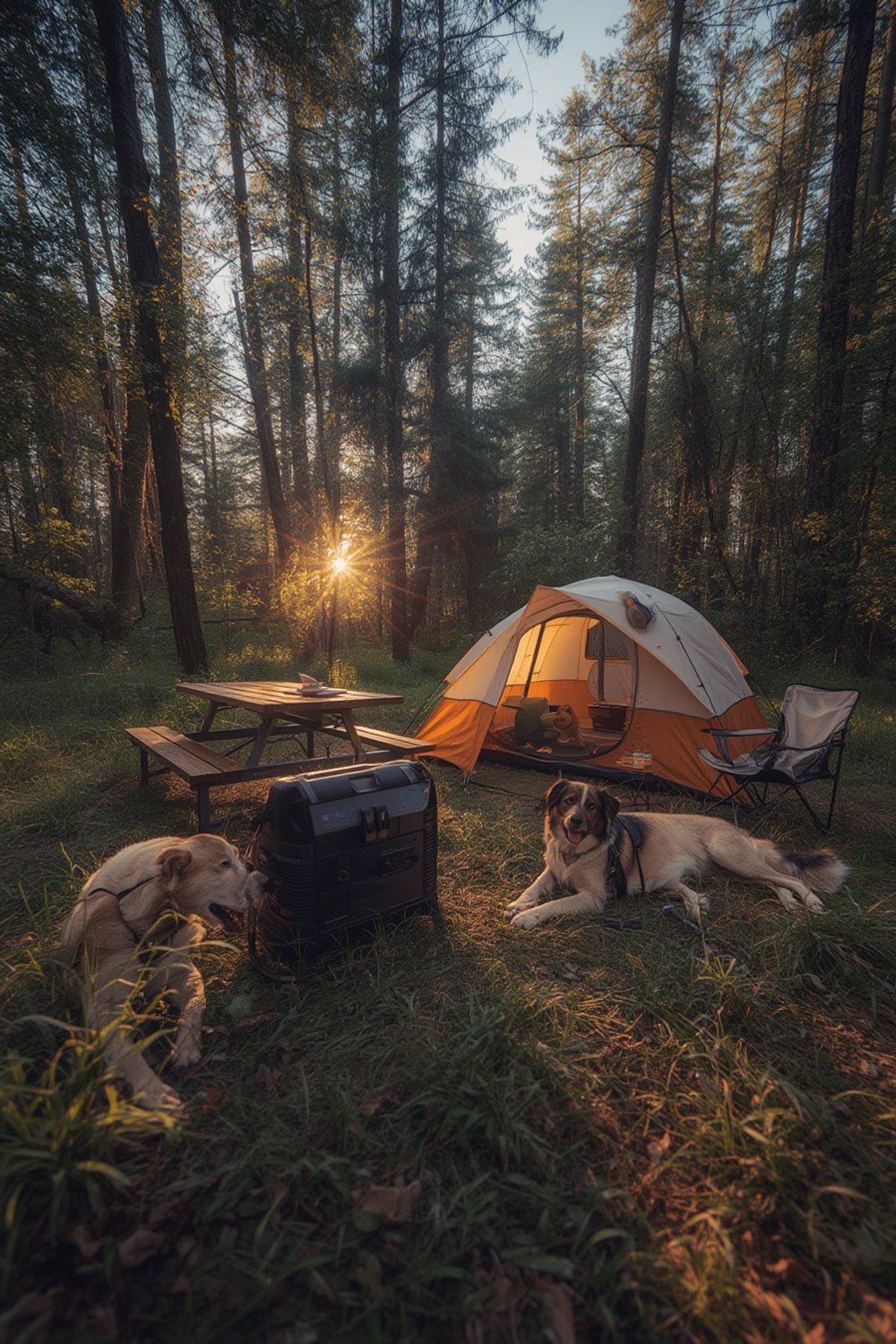
Portable power station camping means taking a rechargeable battery generator into the outdoors, so you can run or charge devices without traditional hookups or noisy, fuel-based generators. Most modern stations support phones, cameras, tablets, laptops, lights, fans—and with a larger unit, even fridges or medical devices—making off-grid camping more comfortable and, for some, truly sustainable.
The market for these stations has exploded, reaching about USD 1.85 billion in 202433% of the total—roughly $0.61 billion. This rapid growth is driven by more people taking up camping and RV travel, especially in North America, which saw 38% of the global share.
Most campers prefer units between 500–1,000Wh range for the best blend of runtime and portability, with 73% of 2024 market size dedicated to this range. This trend is also seen with other modern camping gear—like inflatable camping tents for fast setup and bikepacking bags for efficient packing.
How to Select and Use a Portable Power Station for Camping (Step-by-Step Guide)
Getting the right setup isn’t just about picking the biggest battery you can carry. Here’s a clear, actionable process to select and use a power station:
-
List All Devices You Plan to Power
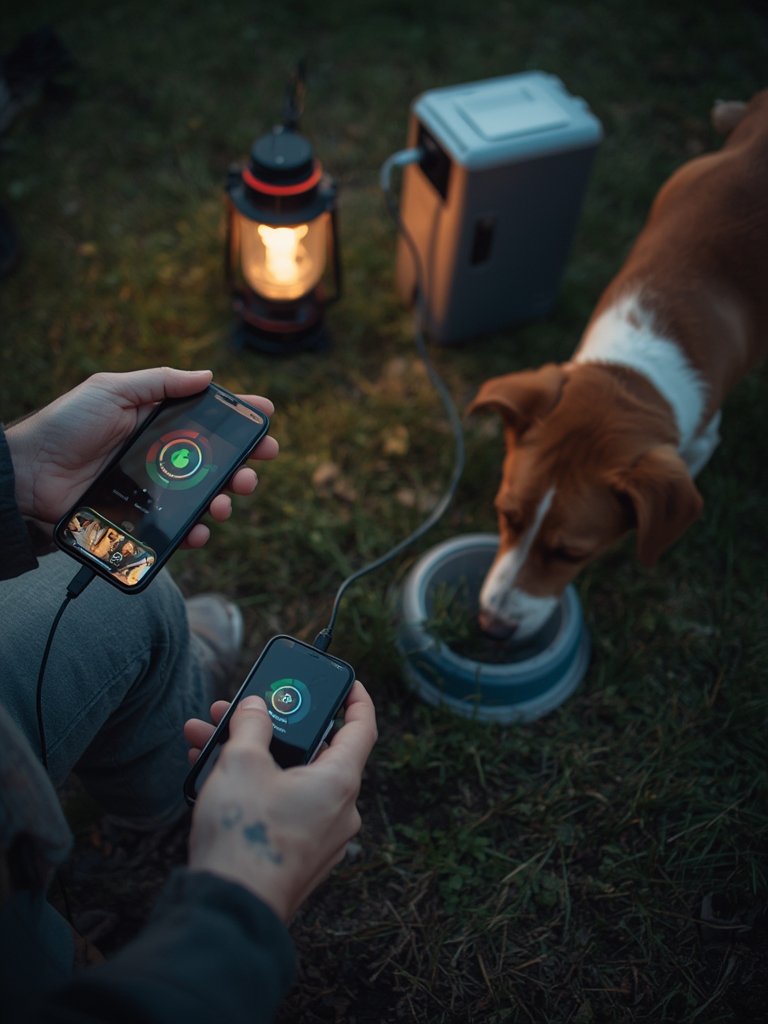
Include items like phones, headlamps, a CPAP, a camera battery, or even a car fridge. Total their average watt-hours needed per day. -
Choose Your Power Station Capacity
For ultralight trips, look below 500Wh for maximum portability. For family or tech-heavy trips, consider the 500–1,000Wh range. Remember 42% of users favor this middle ground for runtime and convenience. -
Check Output Compatibility
Make sure your station has the right plug types (AC, DC, USB-A, USB-C) and enough ports for all devices. -
Decide on Charging Method
If you’ll use solar, ensure your station supports solar charging—solar generators are the fastest growing segment thanks to renewable energy trends, but real recharge rates depend on panel size and sunlight. -
Assess Weight and Build
Weight matters—especially for hike-in trips. Under 500Wh units are typically under 15 lbs, while larger ones can top 20–25 lbs. -
Do a Dry Run at Home
Before your trip, simulate a camping night by running your gear off the unit and checking runtime. This prevents surprises in the field.
For more on rugged gear setups, check out our guide to outdoor adventure sports.
- Prioritize lithium battery technology for best energy density and lifespan—though many brands still don’t publish full charging cycle data.
- Integrate a folding solar panel only if you camp in reliably sunny regions. Cloud cover, angle, and panel wattage all drastically affect charge times.
- Avoid cheap stations lacking certified safety features; look for overcurrent, overvoltage, and heat protection.
For more hands-off setup ideas, consider the ease and speed benefits that inflatable camping tents offer—perfect for pairing with your portable power system.
Advanced Analysis & Common Pitfalls of Portable Power Use in Camping
Even with the best preparation, portable power station camping can bring unexpected frustrations. Here’s what most users run up against, based on current research and field data:
- Unclear Real-World Battery Life: Specs are often based on ideal lab conditions. Expect only about 80–90% of listed capacity in cold, heat, or when powering AC devices.
- Slow Solar Charging Times: Market stats show growth in solar generators, but real off-grid recharge may take much longer than advertised—especially with sub-100W panels or cloudy weather. A 500Wh unit can require anywhere from 7 to over 12 hours to recharge in real sun conditions.
- Confusing Output Compatibility: Not all devices (like CPAPs, portable fridges, or laptops) play nice. Some require pure sine wave AC or sustained high output. Check compatibility before bringing specialty devices.
- Hidden Weight & Bulk: Portable does not always mean “light.” Some 1,000Wh models weigh as much as a loaded backpack.
- Unknown Maintenance and Ownership Costs: No clear data on replacement costs for batteries, internal components, or long-term reliability. Plan for future expenses that are often not advertised.
Here’s a quick view of how popular capacity choices align with common camping needs:
| Capacity Segment | Market Share (2024) | Typical Use Cases | Pros | Cons |
|---|---|---|---|---|
| Below 500Wh | 31% | Phones, headlamps, cameras, emergency backup | Lightweight, very portable | Limited runtime, not for high-draw appliances |
| 500–1,000Wh | 42% | CPAP, laptops, fans, small fridge, group charging | Good balance, most versatile | Medium weight, may still fall short for large appliances |
| 1,000Wh+ | Approx. 27% | RV, multiple appliances, high-demand devices | Long runtime, supports most appliances | Heavy, bulky, costly |
For campers wanting maximum flexibility or comfort, a hybrid approach—pairing a mid-range station with extra battery banks—is often smarter than lugging a huge unit into the woods.
Don’t forget: site selection matters. Combining a private land camping experience (see our private land camping guide) with the right power setup can mean better access and fewer charging headaches.
Conclusion
Portable power station camping is rapidly evolving. While capacity, weight, and charging speed are cosmetic on paper, in practice, you need to examine your real needs and test for compatibility before your trip. For most weekend or family campers, a 500–1,000Wh unit is the sweet spot.
Ready to make your next trip easier? Start by choosing your ideal portable power station camping rig, review your device watt/hour needs, and consider pairing your power station with simple upgrades like a fast-inflating tent or modern performance apparel for a smoother outdoor adventure.
Always research product specifications beyond marketing claims, practice at home, and use the internal links above for deep dives on related gear and camping best practices!
Frequently Asked Questions
How long does a portable power station last on a camping trip?
Lifespan depends on battery size, device usage, and weather. Most mid-sized stations (500–1,000Wh) last 1–3 days for typical phone, lighting, and camera charging. Running high-draw appliances like fridges cuts runtime significantly.
Can I use a portable power station to run a CPAP or mini refrigerator while camping?
Yes, as long as the power station has an output compatible with your CPAP or fridge (often pure sine wave AC) and enough capacity. Always check wattage requirements and test at home before your trip.
Is solar charging reliable for portable power stations at campsites?
Solar panels work best in direct, sustained sun. Expect much slower charging on cloudy days or with small panels. Full recharges can take 7–12 hours or more depending on battery size and sunlight.
What’s the difference between below 500Wh and 1,000Wh+ portable units for camping?
Below 500Wh units are lighter and suit light device charging. 500–1,000Wh units support more gear and small appliances. Over 1,000Wh units offer longest runtimes but are very heavy and best for RV or basecamp use.
How do I maintain my portable power station for best performance and safety?
Store batteries cool and dry, recharge every 3–6 months, don’t let them drain to zero for long, and avoid exposure to sub-freezing or very high temperatures whenever possible. Regularly inspect inputs and cables for wear.
—