

### Blog Post:
Inflatable camping tent setups have transformed the camping experience by making tent pitching faster, easier, and more reliable, even for first-time campers or families with kids. If you’re searching for a quick-setup solution that stands up to unpredictable weather and delivers comfort on outdoor adventures, here’s what you need to know right now.
Key Takeaways
- Inflatable camping tents are surging in popularity globally, driven by easy setup, family camping, and innovations in design and materials.
- Despite their convenience, real user complaints highlight occasional issues with punctures, bulkiness in transport, and learning proper inflation techniques.
- Top models offer advanced features such as integrated lighting and power banks, but technical specs vary widely, so compare them carefully before buying.
- The Core Concept: What Makes Inflatable Camping Tents Special?
- Step-by-Step Guide: How to Use an Inflatable Camping Tent Effectively
- Advanced Analysis & Common Pitfalls
- Conclusion
- Frequently Asked Questions
The Core Concept: What Makes Inflatable Camping Tents Special?
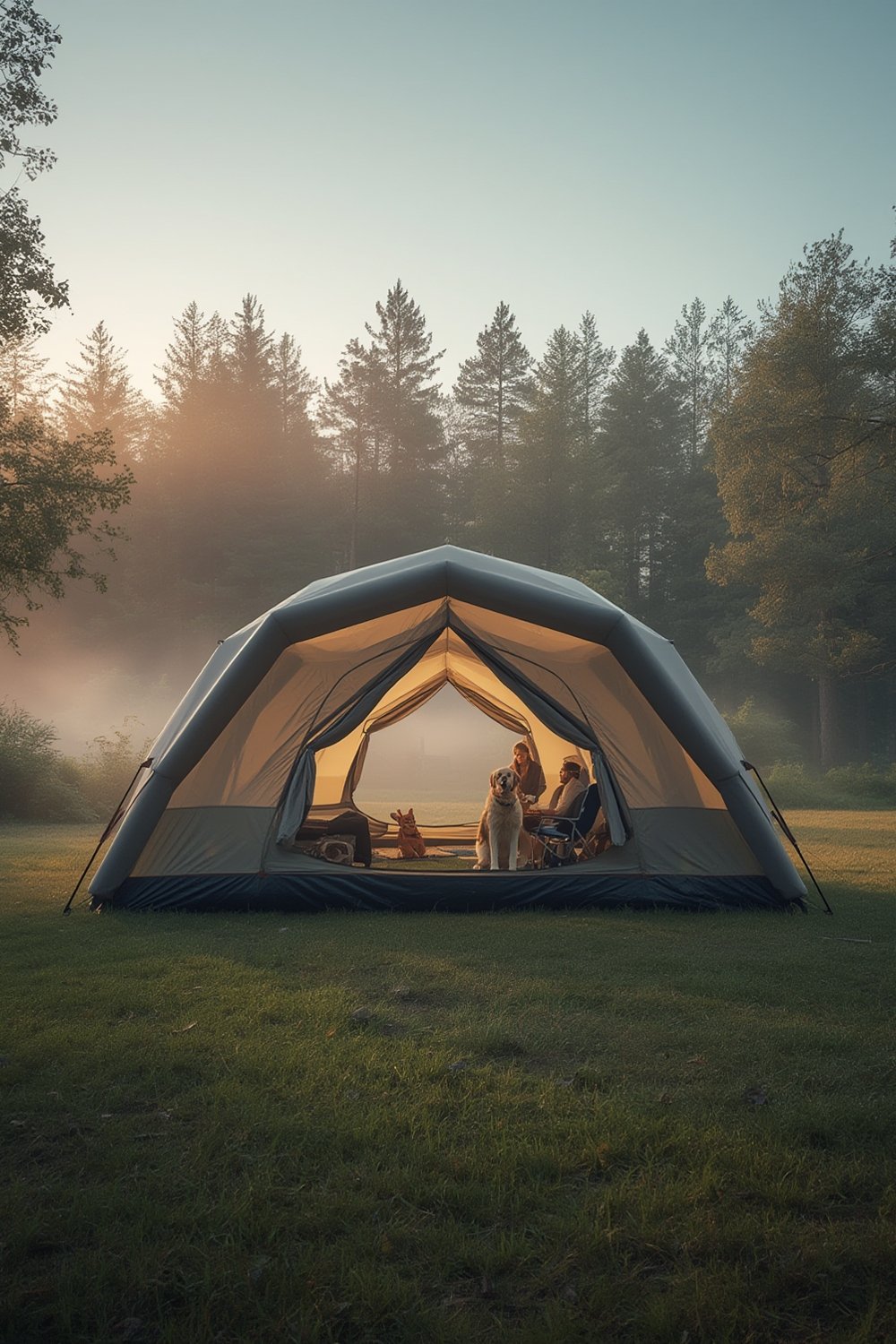
Inflatable camping tents, often called air tents or air-beam tents, do away with traditional metal or fiberglass poles. Instead, they rely on robust air tubes that support the tent’s structure when inflated—usually in just a few minutes. The main benefit is obvious: setup is far quicker and simpler, so you spend less time wrestling with gear and more time relaxing or exploring. Families new to camping find these systems much less intimidating, especially when handling larger shelters.
Recent market trends suggest you’re part of a growing movement. Global interest is booming—the inflatable camping tent market was valued at over $1 billion in 2024 and is expected to expand rapidly, with North America leading in outdoor culture, Europe embracing glamping, and Asia-Pacific growing the fastest thanks to increased income and interest in outdoor activities (source, source). New models bring innovative features like self-erecting systems, integrated tech (LED lights, power banks), and eco-friendly materials, edging closer to full luxury while keeping setup basic. For a deep dive into outdoor adventure equipment, check out our guide on outdoor adventure sports that improve fitness and endurance.
Step-by-Step Guide: How to Use an Inflatable Camping Tent Effectively
- Choose the Right Location: Look for flat, debris-free ground. Avoid sharp rocks or branches, which could risk puncturing air beams.
- Unpack and Unroll: Remove the tent and lay it flat. Make sure zippers and air valves are closed.
- Secure Corners (Optional but Helpful): peg down corners lightly so the tent stays in place once you start inflating.
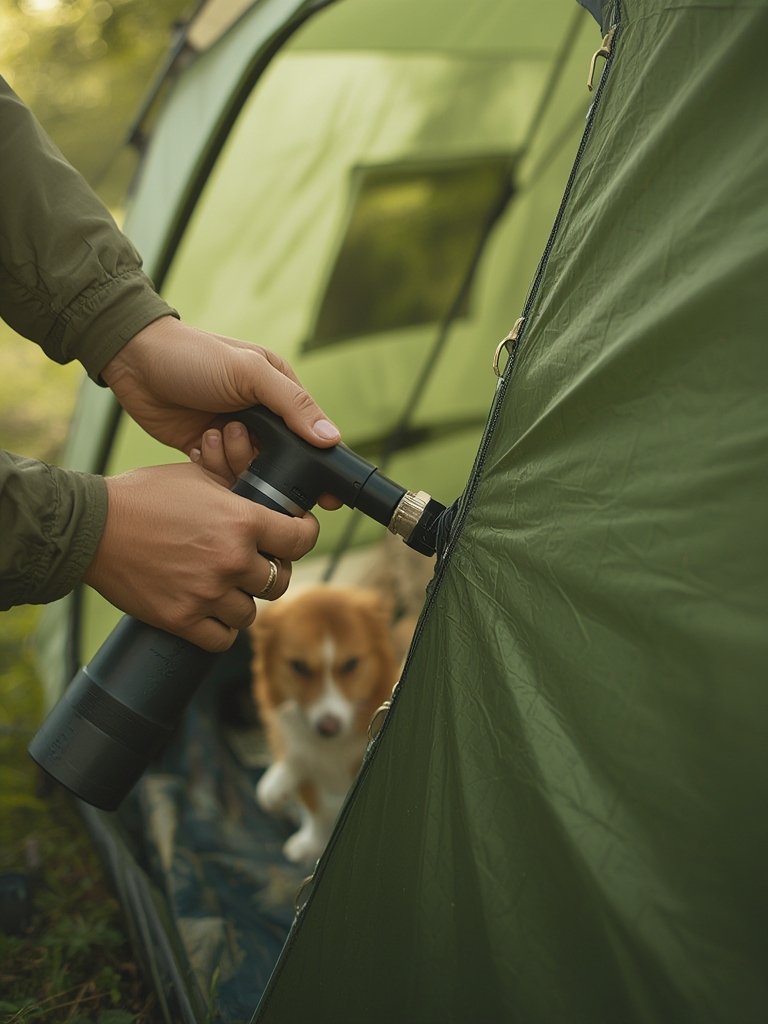
- Inflate Main Beams: Attach your pump (electric or manual) to the chief valve and inflate until beams are firm, usually between 6–9 PSI. Don’t overinflate; the fabric should be taut but not strained.
- Inflate Secondary Beams (if any): Some larger models have extra support beams. Follow the same process.
- Fully Peg Out and Tension Guy Lines: Use all included stakes and guy lines for stability—especially important in windy conditions.
- Double-check Structure & Inflatable Pressure: Inspect all beams. If any look underinflated, top up, but don’t exceed manufacturer specs to prevent damage.
- Install Optional Accessories: Attach inner tents, organize gear, and—for glamping—set up built-in LEDs or charging stations if your tent has them.
- Deflate & Pack Down (When Leaving): Reverse the process by opening all valves to let air out. Fold as directed and pack into the bag.
If you’re looking to round out your outdoor gear setup, consider reading our expert-approved guide on best sports apparel for performance and comfort for optimal comfort during your adventure.
Advanced Analysis & Common Pitfalls
Even the best inflatable camping tents aren’t perfect. Here’s what separates a satisfying purchase from a disappointing one—and a few realistic drawbacks based on real-world use and industry research.
- Setup Speed & Simplicity: Inflatable tents generally set up much faster than traditional pole models. Self-erecting tents are dominating the market—the segment is predicted to hit 53.4% of market revenue by 2025 (source). But, some users experience frustration if valves jam or if the recommended PSI range isn’t clear in the product manual.
- Portability & Weight: While lighter than some heavy-duty pole tents, large inflatable models can still be bulky when packed, sometimes approaching 30 pounds or more. This matters if you’re hiking long distances. If portability is your top concern, explore ultralight bikepacking setups for inspiration.
- Durability & Repairs: The best air tents use PVC or PU-treated fabrics for weather resistance. But punctures—though rare—are a risk. Always pack a repair kit, and understand that materials and build quality vary widely among brands.
- Innovations: Many manufacturers are now integrating built-in LEDs, USB ports, and automated inflation systems, responding to trends in glamping and comfort camping (source).
| Feature | Inflatable Camping Tent | Traditional Pole Tent |
|---|---|---|
| Average Setup Time | 5–10 minutes (self-erecting); all weather | 15–30 minutes (requires poles, guy lines) |
| Durability | High if PVC/PU; always carry a patch kit | Good (fiberglass/metal poles); poles bend/break under stress |
| Wind Stability | Generally stable; must use all guy lines in storms | Stable if properly pitched; more flexible in strong winds |
| Technical Features | Options: integrated LEDs, USB, automated inflation | Usually none |
| Repair Complexity | Simple patches for punctures; valve troubleshooting | Replacing/bending poles more difficult |
| Packing Size/Weight | Can be bulky for larger sizes (car camping best) | Varies widely; ultralight options available |
Other pitfalls include:
- Poor Instructions: Not all brands provide clear inflation specs, leading to overinflation/underinflation and potential damage.
- Condensation: Air tents retain heat well, but if ventilation is lacking, condensation can build up on the tent’s interior.
- Puncture Risk: While infrequent, sharp terrain or improper handling can lead to leaks—a possible trip-ender if unprepared.
For a broader comparison of outdoor gear categories, explore our coverage of essential team sports equipment for performance.
Conclusion
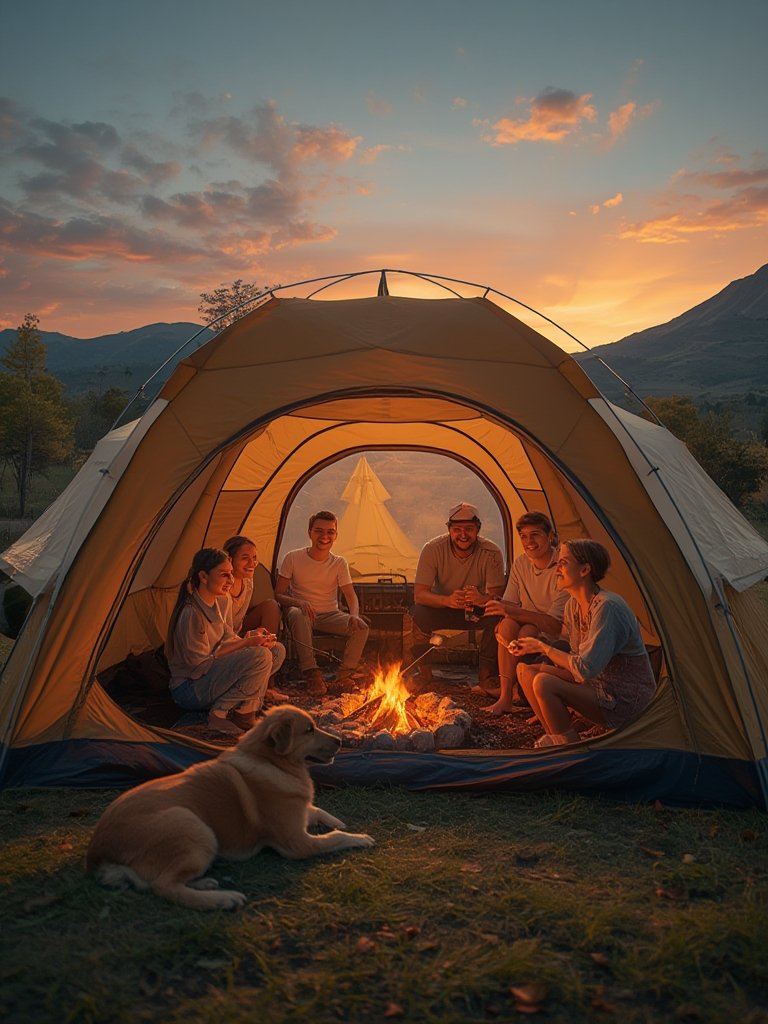
Innovative outdoor gear like the inflatable camping tent removes barriers to camping, offering quick setup and practical comfort for families, glampers, and new adventurers alike. With the market expanding, options for smart features, customization, and advanced materials are more accessible than ever. Remember to research technical differences, anticipate common pitfalls such as puncture risk, and always carry a repair kit for peace of mind. If you want to unlock even more outdoor experiences, see how the right fitness training can give you the stamina for multi-day trips. Ready to start your journey? Invest in an inflatable camping tent and transform your time outdoors.
Frequently Asked Questions
How long does it take to set up an inflatable camping tent?
Most inflatable camping tents can be set up in 5 to 10 minutes, especially models with self-erecting features. Actual time depends on tent size and experience level.
Are inflatable tents as durable as traditional pole tents?
High-quality inflatable tents made with PVC or PU fabrics are very durable, with strong wind and weather resistance. Always carry a patch kit for field repairs, as punctures can happen with sharp objects.
Are inflatable camping tents suitable for cold or wet weather?
Yes, most are designed for 3-season use with good waterproofing. For winter camping or alpine expeditions, check for tents rated for extreme weather or four seasons.
What are the most important features when buying an inflatable camping tent?
Key features include material quality (look for PVC or PU-treated fabric), ease of setup, reliable valves, integrated accessories (LED lighting or USB), and warranty/support from the brand.
Can an inflatable camping tent be used for backpacking?
Most inflatable tents are bulkier than traditional ultralight tents, making them better suited for car camping or basecamps. If backpacking, check weight and packed size before purchase.
—