

### Blog Post:
satellite communicator hiking is now essential for anyone venturing into remote trails, backcountry, or multi-day adventure hikes where cell service disappears. Modern satellite messengers have become a critical part of hiking safety, offering lifelines during emergencies and peace of mind to family and friends tracking you far from coverage.
Key Takeaways
- Satellite communicator hiking devices are crucial for safety, offering global SOS and two-way messaging in areas without cell service.
- Ongoing costs, limited coverage in extreme terrain, and confusing subscription models are the main downsides users encounter.
- 2024 data shows rapid adoption, but choosing the right device and plan still requires careful comparison of features, fees, and network reach.
- What Is a Satellite Communicator for Hiking and Why It Matters
- How to Choose and Use a Satellite Communicator for Hiking: Step-by-Step Guide
- Advanced Analysis and Common Pitfalls
- Conclusion
- Frequently Asked Questions
What Is a Satellite Communicator for Hiking and Why It Matters
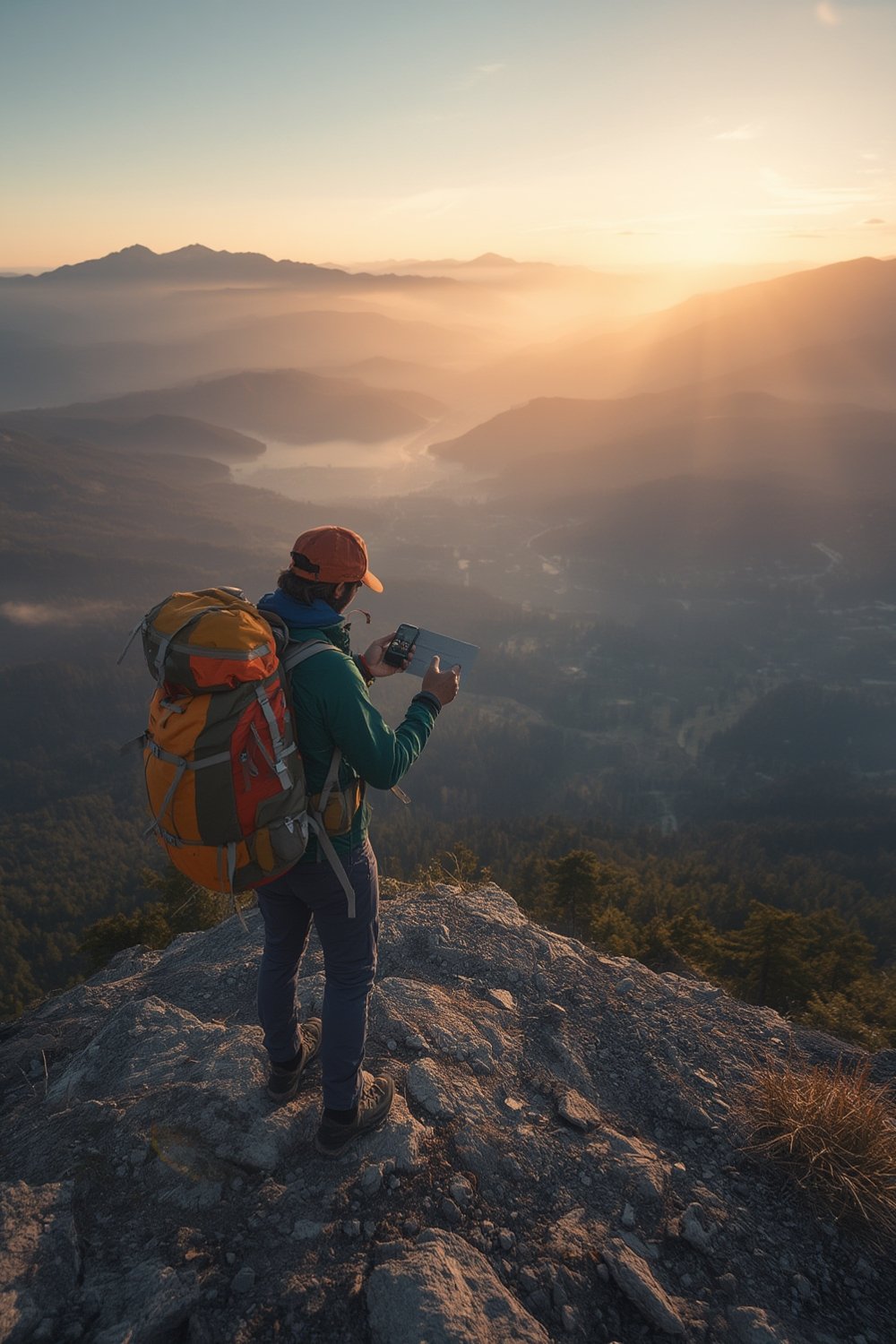
Satellite communicators are small, rugged devices that send messages, share your GPS location, and allow you to trigger SOS signals via the global satellite network instead of relying on mobile service. For hikers and backpackers traveling well off-grid, these devices have moved from luxury to necessity—especially as backcountry rescue events and extreme weather become more common. In 2024 alone, Garmin reported 15,000 SOS calls from inReach devices, largely from hiking and backpacking accidents, wildfires, and lost hikers.[source]
Why are these tools so important? Beyond simply calling for help if something goes wrong, two-way communicators let you confirm that help is coming, receive real-time weather updates, and send check-ins to contacts at home. This reduces rescue delays and avoids panic. Affordable options like ZOLEO, SPOT, and emerging smartphone-based services compete, but the key is matching your needs to the device—covering not just price, but how and where you hike.
For those who blend hiking with other outdoor activity, check out guides on hiking and endurance sports to layer physical safety with communication planning.
How to Choose and Use a Satellite Communicator for Hiking: Step-by-Step Guide
- Assess Your Typical Hiking Destinations and Coverage Needs.
Start by mapping your most frequent trails. Do they have spotty mobile service, deep canyons, or alpine passes? Remote, weather-prone regions demand robust, globally-reliable coverage; casual day hikers near towns may get by with simpler, cheaper units. - Map Features to Your Real Needs.
If you usually hike solo or travel multi-day, prioritize two-way messaging and SOS. Group leaders or guides may benefit from tracking and sharing live locations with groups. Weekend hikers might only need basic check-in or “I’m OK” functions. - Compare Pricing Honestly.
Factor in the full cost—not just device price, but also activation fees, monthly minimums, and message limits. Subscription confusion is a leading source of user irritation. For example, ZOLEO charges $149 + $40 activation, then $20–$50/month, with overage and extra share fees.[source] SPOT X and Gen4 have different plans but may offer unlimited tracking or check-ins. - Set Up and Test Your Device Before Your Trip.
Register online, activate service, and practice sending at least two types of messages: a check-in and a custom text. Learn how to trigger and cancel SOS. Simulate an emergency at home (without pressing SOS) to familiarize yourself with menu navigation. - Integrate Into Your Safety Protocol and Trip Planning.
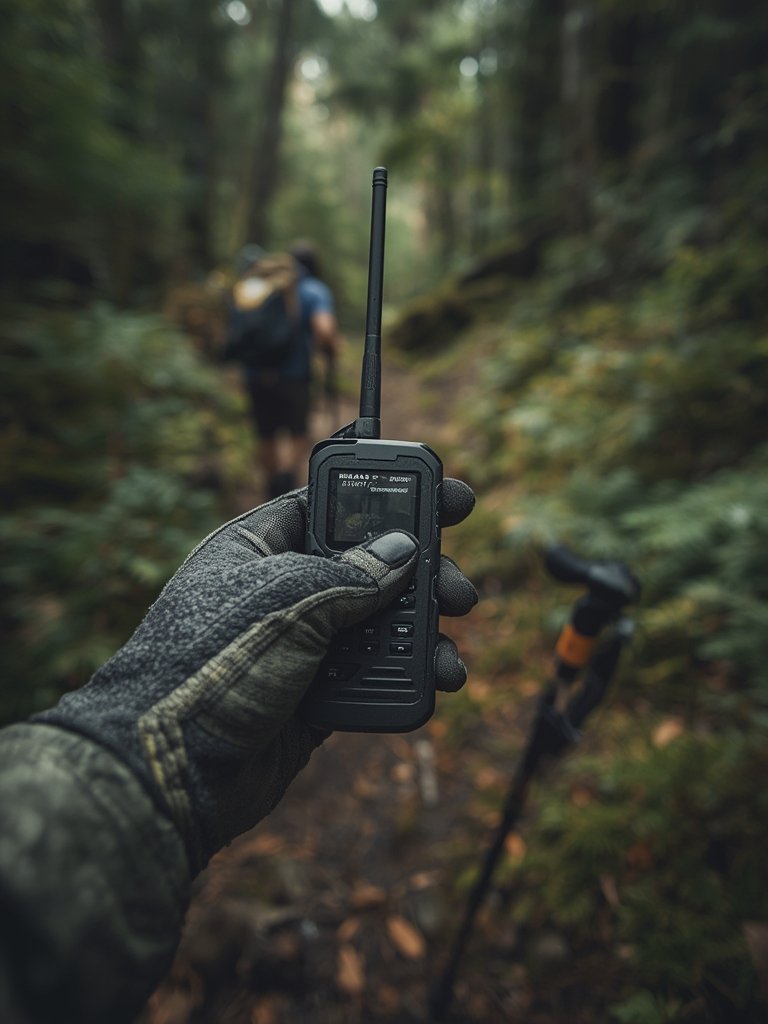
Before heading out, update contacts, pre-set emergency messages, and check device battery. carry it accessibly, not in your pack’s bottom. Always download offline maps (some devices pair with apps for overlays), and double-check satellites cover planned areas. Many popular hike spots in western North America have notorious dead zones, so confirm coverage beforehand.[source]
For those building adventure kits with other essential gear, refer to guides on bikepacking bags for modular storage ideas or inflatable camping tents for all-weather preparedness.
- Monitor Usage and Fees Throughout Your Trip.
Keep track of outgoing texts and SOS activations, especially if you’re on a capped message plan. Overage charges (sometimes $0.50/message) can mount surprisingly fast in conversation-heavy emergencies or if sharing location updates regularly.[source] - Stay Informed About Network Upgrades.
LEO satellites like Starlink and OneWeb will expand coverage and lower costs, with some carriers launching app-based satellite text services (e.g., T-Mobile, iPhone satellites). These innovations are worth tracking for future device and feature compatibility.[source]
Advanced Analysis and Common Pitfalls
While satellite communicator hiking tech has saved countless lives, it’s not perfect nor always user-friendly. Here are honest drawbacks and detailed comparisons to help you steer clear of costly mistakes.
Hidden Fees and Subscription Confusion
Most negative user reviews mention post-purchase “surprises”: activation fees, recurring minimums, or pricey message overages. For just one example, ZOLEO’s marketed $20/month gets you only 25 messages; hit the cap and you’ll be charged $0.50 per extra message. Location sharing is another fee ($6/month) even on some unlimited plans. SPOT and Garmin plans structure message caps, check-in/tracking, and SOS response differently, making it easy to overspend or under-use if you don’t read the fine print.
Coverage and Signal Gaps
Despite global marketing, not every patch of wilderness is reliably covered—especially in deep canyons, dense forests, or extreme Arctic/Antarctic zones. Western North America sees most SOS activations due to notorious cell dead zones and rugged terrain, while Europe leads market growth (13.69% CAGR) but some alpine or fjord regions still have coverage holes.[source] Weather (heavy storms, snow) further degrades signal, so don’t assume “anywhere SOS.”
Comparison Table: 2024 Leading Devices and Costs
| Device/Service | Device Price | Activation Fee | Monthly Subscription (Range) | Highlights / Notes |
|---|---|---|---|---|
| ZOLEO | $149 | $40 | $20–$50 (25–unlimited messages) +$6 for location shares |
Overages $0.50/message for lower plans; unlimited check-ins |
| SPOT X | Not specified | Not specified | $12–$40 (20–unlimited custom messages) | Six plans |
| SPOT Gen4 | Not specified | Not specified | $12 (annual) or $15 (month-to-month) | Unlimited check-in/help/tracking |
| Garmin inReach | Not specified | Not specified | Not specified | 15,000 SOS calls in 2024; global coverage; market leader |
Two-way vs. One-way Devices and Real-life Rescue Outcomes
The big shift: two-way messaging devices dominated 2023 market revenue, and for good reason. Being able to have a “conversation” with rescuers is far more useful and less stressful than sending a generic panic button. In real emergencies—such as recent wildfires, hurricanes, or sudden injuries—Garmin inReach enabled full rescue coordination, with location updates and medical info exchanges that one-way “beacons” like old model SPOTs could not.[source]
However, even the best communicators are only as good as their battery and your pre-trip setup. Signal can drop during storms, flat batteries are common, and subscriptions can lapse if you forget to renew before departure.
Conclusion
Weighing the pros and cons, satellite communicator hiking solutions remain indispensable for safe adventures in remote environments. Despite annoyances like activation fees, coverage dead zones, and learning curves, their record of enabling rescues and keeping loved ones updated is exceptional. As adoption surges in 2024 and beyond, your best bet is to match top-rated technology—like Garmin inReach, ZOLEO, or the new wave of satellite-enabled smartphones—to how and where you hike most often. Always test your device, stay updated on plan details, and don’t let budget sacrifices put safety at risk.
Ready to upgrade your off-grid safety? Choose a satellite communicator hiking device now to protect yourself on every trail. For building your total adventure kit, check out resources on performance apparel and essential outdoor gear as well.
Frequently Asked Questions
Do I need a satellite communicator for all hikes?
If your hiking route is near civilization or always has cell service, you may not need one. For any multi-day hike, remote backcountry, or regions with known reception gaps, a satellite communicator is a critical safety tool.
What’s the best satellite communicator for hiking in 2024?
Garmin inReach remains the market leader, especially for two-way messaging and SOS. ZOLEO and SPOT Gen4 are strong alternatives, especially if you want flexible plans or lower up-front costs. Compare features based on where you hike and how much messaging you need.
Can I use my smartphone as a satellite communicator?
In 2024, some iPhones and T-Mobile phones offer limited satellite text in emergencies, but coverage, battery life, and functions still lag behind dedicated devices. Native apps are slowly integrating, but for now, purpose-built communicators remain more reliable in the wild.
Are there hidden costs with satellite messaging devices?
Yes. Watch out for activation fees, monthly minimums, message caps, overages, and extra location-sharing charges. Read the subscription details carefully before committing.
Will bad weather affect satellite coverage?
Heavy storms, snow, and dense tree cover can reduce the effectiveness of all satellite messengers. Always try sending messages with a clear view of the sky, and test your device before every trip.