

### Blog Post:
Private land camping is changing how Americans get outdoors, offering more options and flexibility as popular campgrounds fill and the demand for unique experiences grows. If you’ve struggled to book a standard campsite or want a different kind of outdoor escape, this guide breaks down everything you need to know.
Key Takeaways
- Private land camping has doubled in availability, rapidly outpacing the growth of traditional campgrounds.
- Campers are drawn to unique, secluded stays—think farm visits, forest hikes, and mountain views—but must pay attention to amenities, rules, and safety.
- Insider tips, realistic expectations, and the right resources make finding and enjoying a private campsite much easier.
- What Is Private Land Camping and Why Is It Booming?
- How to Book and Enjoy a Private Land Camping Stay
- What Can Go Wrong? Advanced Tips, Pitfalls, and How to Avoid Them
- Conclusion
- Frequently Asked Questions
What Is Private Land Camping and Why Is It Booming?
Private land camping lets you book a stay on farms, ranches, forests, or open land owned by individuals or small businesses—usually through platforms like Hipcamp. Unlike traditional public campgrounds, these stays often include farm experiences, animal encounters, total seclusion, or creative themes—and are rapidly growing in popularity.
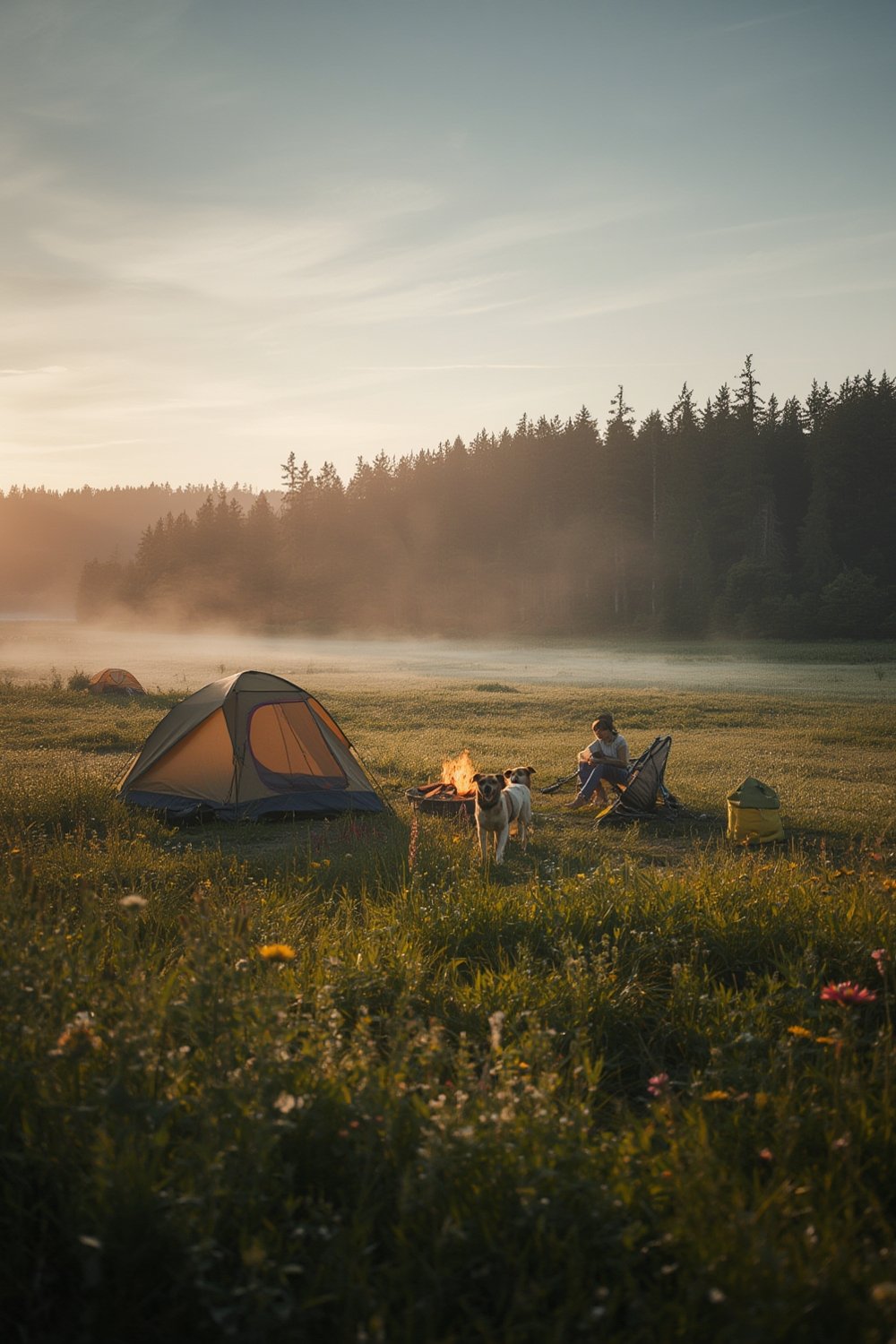
The numbers speak for themselves: Hipcamp more than doubled its U.S. inventory to over 500,000 sites by 2025, including 250,000 private sites. The surge is directly tied to several trends:
- Campsite shortages: Active campers in the U.S. grew 68% in the last decade, but campground supply has barely budged. More than half of American campers struggled with full public sites in 2024. (source)
- Access to unique stays: Private land offers experiences unavailable at most state parks—like collecting eggs with your hosts or camping alone by a stream.
- Budget cuts and closures: Threats to over 4,000 public California campsites have pushed more travelers toward private options (Outside Online).
If you’re looking for a private, Instagram-worthy, or family-friendly experience—not just a place to pitch a tent—private land camping has quickly become the leading choice. The options range from off-grid mountain escapes in Wyoming to group-friendly meadows in North Carolina and animal-rich working farms in New York and Tennessee (Hipcamp).
How to Book and Enjoy a Private Land Camping Stay
Ready to try private camping? Here’s a step-by-step guide to finding, booking, and preparing for your getaway—plus tips that make the difference between a memorable trip and a headache.
- Research Your Options
Use platforms like Hipcamp to browse by location, theme, or amenities. Search specifically for farm camping, mountain meadows, or remote forest sites for special experiences. Study reviews, site photos, and availability calendars to ensure you won’t be surprised when you arrive. - Check What’s Provided—And What’s Not
Unlike traditional campgrounds, private land campsites vary widely in bathroom access, water, firewood, cell service, and animal encounters. Some are glamping-level, some are basic. Always bring extra water, toilet supplies, and an emergency communication device if off-grid. Learn more about inflatable camping tents for easy, quick setup. - Clarify Rules and Safety Policies
Rules can be stricter or looser on private land—be clear on quiet hours, campfire policies, pet limits, checking in after dark, firearm rules, and whether you can explore adjoining land. If details aren’t published, ask your host. - Prepare for Privacy and Isolation
Expect more privacy, but also more responsibility. In remote areas, standard cell networks may not reach; consider carrying a satellite communicator for added safety. - Embrace the Experience
Try gathering eggs or helping with chores on a working farm, or simply enjoy the lack of crowds at a mountainside camp. Every host and site brings something different. - Pack According to Location
Use ultralight backpacking techniques and bring only what you need for the landscape—especially if hiking in, or combining your adventure with bikepacking or paddle sports.
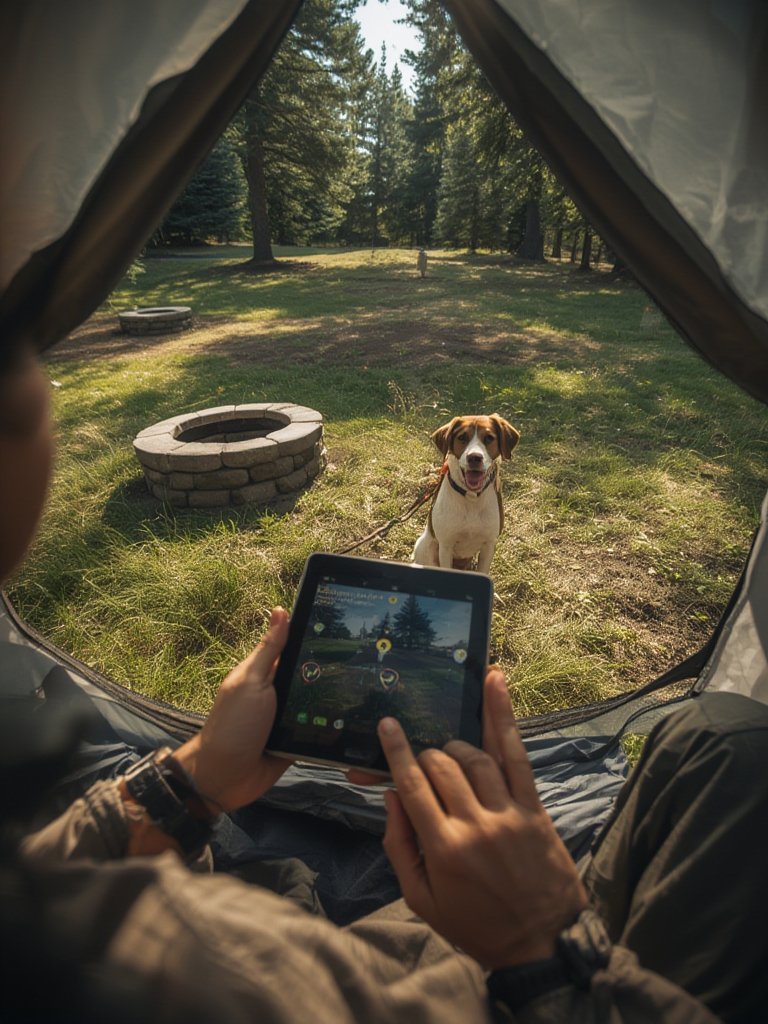
Plan ahead, choose wisely, and maintain open communication with your host for the best experience. If comfort is key, learn about outdoor-ready sportswear for unpredictable conditions.
What Can Go Wrong? Advanced Tips, Pitfalls, and How to Avoid Them
With freedom comes more responsibility. While there’s little published data about complaints, practical issues can—and do—arise in private land camping. Here’s what to watch for:
| Potential Pitfall | Public Campground | Private Land Camping | How to Avoid Issues |
|---|---|---|---|
| Clear Rules | Standard, regulated | Vary widely; set by each host | Read rules carefully; ask for clarification before booking |
| Amenities | Bathrooms, water, fire rings | Range from luxurious to primitive | Pack extra; confirm amenities listed are present |
| Safety/Access | Well-marked roads, signage | May be remote or unmarked | Ask host for directions, confirm GPS locations |
| Legal/Insurance | Government standards and coverage | Host dependent, few published standards | Get your own insurance; verify host coverage if needed |
| Availability/Booking | High demand, hard to book in peak season | More options, but less standardized cancellation/fault protection | Book well ahead; read host policies |
- Unclear directions: Ask your host for turn-by-turn details or landmarks—Google Maps sometimes fails on country roads or rural gates.
- No two sites are alike: One private site might mean pristine glamping, another “rustic privacy.” Carefully read listings for what is—and isn’t—provided. Look for a honest rundown of water, toilets, access, noise, or animal presence.
- Limited protection: Unlike state parks, hosts may not be required to offer refund guarantees or disaster contingency plans. Always look up cancellation and weather policies.
- Weather and wildlife: There’s a good reason gear like proper tents, food storage, and fitness for rugged travel matter. Brush up on outdoor fitness tips to cover all conditions.
- Local legalities: Campfires may be banned due to drought, or local vehicles may pass through your area. If rules are unclear, default to caution and respect.
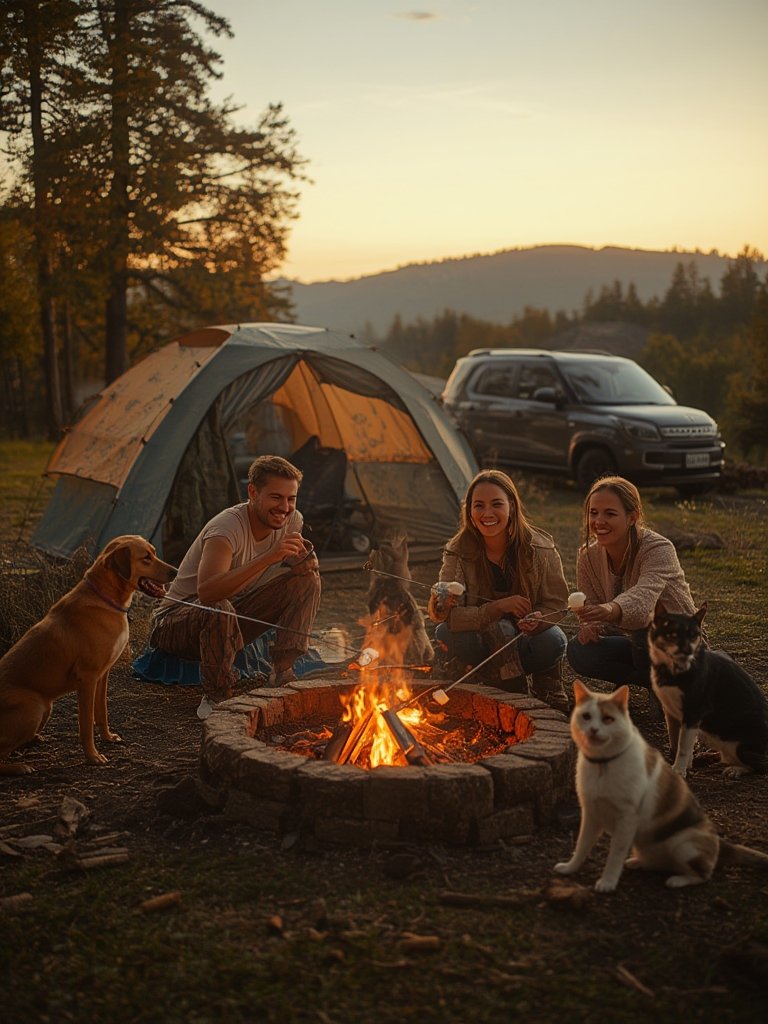
If being self-sufficient isn’t your style, consider boosting comfort with portable fitness gear or team sports equipment for group activities.
Conclusion
As demand for camping outpaces public facilities, private land camping delivers more freedom, privacy, and adventure. The key is to book thoughtfully, clarify what your stay includes, and be honest about your expectations. Communicate with your host, plan for the unknown, and you’ll enjoy the best of both worlds—the escape you want, plus flexibility mainstream campgrounds don’t offer.
Looking to get away? Try private land camping for your next trip and experience nature on your terms.
Frequently Asked Questions
How can I be sure my private land campsite is safe and legal?
Always book through reputable platforms like Hipcamp, which vet hosts. Check for property details, safety features, and posted rules. If in doubt, ask your host or contact platform support before booking.
What should I pack when camping on private land versus public campgrounds?
Bring essentials for remote camping: water, food, power banks, emergency lighting, and a satellite communicator if off-grid. Don’t assume amenities like water or bathrooms will be available—confirm in advance or prepare to be self-sufficient.
Can I camp with a group or bring kids to private land campsites?
Many private sites are ideal for families and groups. Look for listings that mention group size, family-friendly activities, or playgrounds. Always check rules on pets and children, and message your host for advice.
How do prices for private land camping compare to public campsites?
There’s no published national average, but private land camping can range from budget-friendly tent sites to premium glamping options—comparable to, or sometimes higher than, standard campgrounds. Look for all-included rates and review cancellation policies.
What unique experiences can I get from private land camping?
Private land camping can offer animal encounters, hands-on farm chores, private waterfall hikes, and quiet you rarely find at public campgrounds. Each host curates their own amenities and experiences, so read listings closely for extras like firewood, tours, or guided hikes.
—