

Bikepacking bags are at the core of any adventure cyclist’s setup, blending durability and efficiency with real-world practicality. Whether you’re looking to upgrade your current bags or planning your first multi-day bike trip, understanding the latest trends, buying strategies, and mistakes to avoid is the difference between a smooth journey and a frustrating ride.
Key Takeaways
- Global bikepacking bag sales are projected to more than triple between 2023 and 2033, with North America leading the market.
- Selecting the right bikepacking bags requires practical planning, awareness of gear needs, and a focus on simple attachment and waterproofing.
- Beginner pitfalls include overpacking, mismatched bag types, and overlooking weight distribution and attachment reliability.
- What Are Bikepacking Bags and Why Do They Matter?
- Step-by-Step Guide: Choosing and Packing Bikepacking Bags
- Advanced Analysis & Common Pitfalls
- Conclusion
- FAQ
What Are Bikepacking Bags and Why Do They Matter?
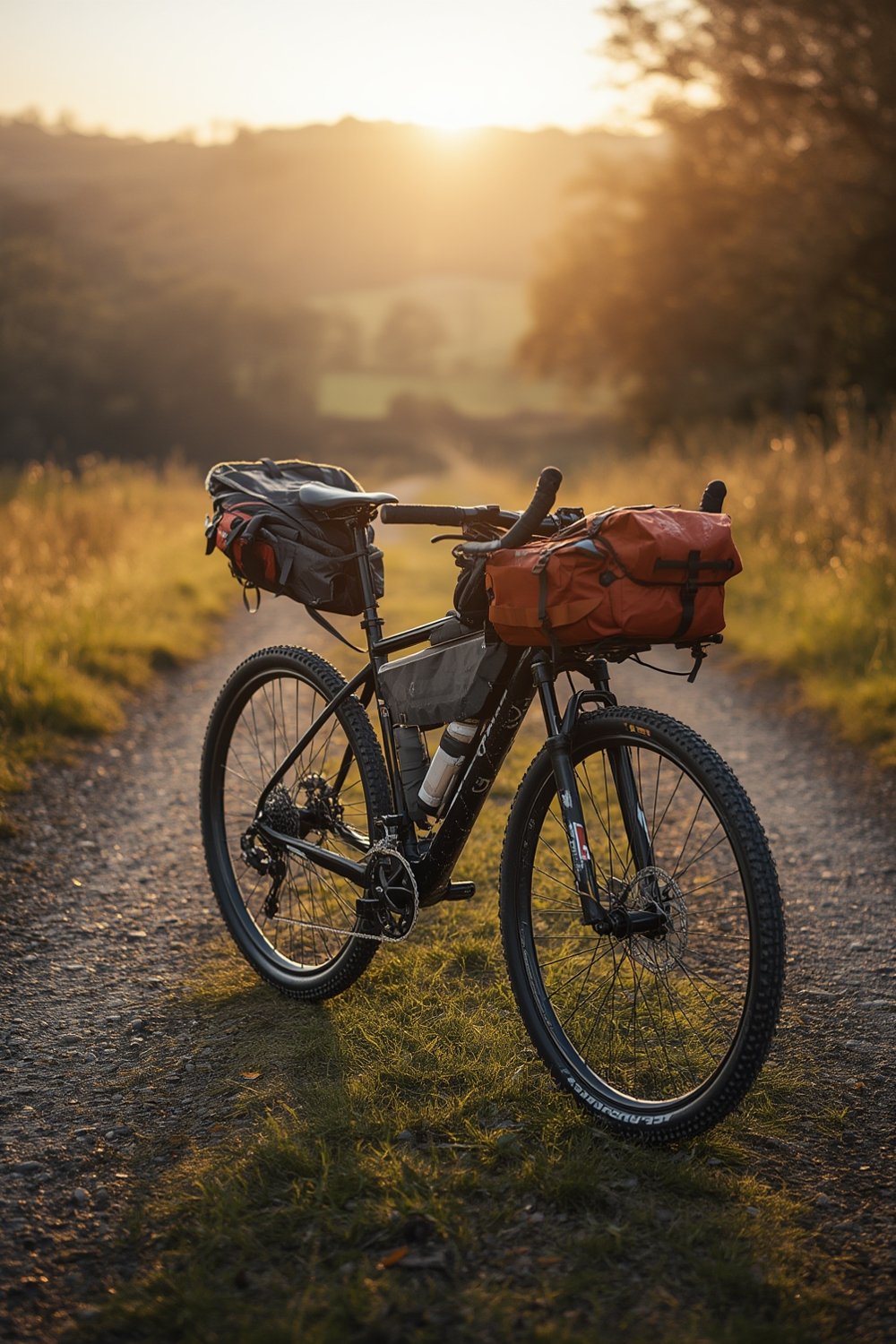
Bikepacking bags are specialized storage solutions designed for long-distance cycling, enabling cyclists to carry camping gear and essentials without the need for bulky panniers or racks. As more riders explore gravel, mixed-terrain, and multi-day routes, these purpose-built bags have evolved to be lighter, more secure, and increasingly waterproof. In 2024, broad market estimates show the bike bags category is booming — one projection sees it growing from USD 172.2 million in 2023 to USD 559.3 million by 2033, at a 12.5% CAGR (source). North America dominates growth, with a 41% increase forecast for 2024-2028 (source). For anyone serious about adventure cycling, understanding which bags fit your style, your bike, and your trips is a foundational step towards safe, enjoyable travel.
Step-by-Step Guide: Choosing and Packing Bikepacking Bags
Buying and prepping bikepacking bags gets easier if you break it into clear steps. Use this framework whether you’re a total beginner or refining your gear for the next trip.
-
Identify Your Bike Type and Main Ride Style
Not all bags fit every bike. Hardtail, gravel, and road frames accept different bag shapes and sizes. Consider whether you’ll ride mostly off-road, pavement, or a mix. -
Map Out Core Bag Types
A standard beginner kit is: one handlebar bag (for sleeping gear), one frame bag (for dense/heavy items), and one saddle bag (for clothing). Tank/top tube bags add extra food and tool storage. Brands like Apidura, Ortlieb, Revelate, and Topeak set the quality standard—see specialist advice for the right fit. -
Focus on Attachment and Durability
Check straps, buckles, and mounting options for rough terrain security. Frame contact should be padded or soft to avoid paint rub. -
Prioritize Waterproofing
Most premium bikepacking bags are waterproof or highly water-resistant, using welded seams and roll-top closures. Beware of cheaper stitched bags that absorb water over time. -
Keep It Ultralight but Functional
Keep total bag weight and packed weight reasonable. Don’t overpack “just in case” — only bring what you can’t do without. Remember, every extra pound hurts on the climbs. -
Confirm Bag Clearance
Test for heel clearance (rear/saddle bag), no interference with cables (frame bag), and handlebar control (handlebar bag on drop bars). -
Trial Run and Final Adjustments
Do a fully loaded test ride. Adjust attachment points, distribute weight as evenly as possible, and repack items that rattle or slide during movement.

For more adventure gear ideas, see our guide to beginner wing foil setups or explore outdoor fitness strategies in Outdoor Adventure Sports That Improve Fitness and Endurance.
Advanced Analysis & Common Pitfalls
Despite a lack of published laboratory or field-test results, several real-world issues come up among bikepackers:
- Overpacking: Beginners often take far more than needed, making riding harder and increasing wear on bag mounting systems.
- Poor Water Protection: Not all “waterproof” bags handle extended rain. Cheaper brands can leak at seams or zippers.
- Shifting Bags: Inadequately secured saddle or handlebar bags sway side-to-side, making bike handling unpredictable.
- Wrong Bag for the Frame: Buying a generic-size frame bag can limit access to water bottles or won’t fit tightly, causing annoying flapping and gear movement.
- Incompatible Attachment Systems: Frame or fork bags sometimes interfere with cables, levers, or disrupt gear shifting.
| Pitfall | Reality/Consequence | How to Avoid |
|---|---|---|
| Overpacking | Leads to unstable riding, fatigue, and broken straps | Lay out all gear then cut one-third out. Take only essentials. |
| Cheap/Non-waterproof Bags | Wet gear, discomfort, possible damage to equipment | Invest in welded, well-reviewed bags with solid waterproof ratings. |
| Loose Attachment | Jiggling, wear to bike paint, hazardous while riding fast | Double-check all mounting systems before riding. |
| Incorrect Sizing | Wasted space, blocks water bottle or gear access | Choose frame bags formatted for your exact bike. |
Pricing can also trip up first-timers. While detailed 2024 price comparisons are still limited (source), expect to invest USD 75–200 for a premium saddle bag, 50–150 for a frame bag, and 70–150 for a handlebar roll. A beginner’s full ultralight bikepacking set, including essential pouches, typically ranges from USD 250–500, depending on quality and features. For those new to gear planning, see tips for minimalist packing and setup on our camping tent guide.
Looking to improve performance through better loading and gear choices? Our discussion of best sports apparel for performance and comfort may offer transferable lessons.

Conclusion
Choosing proper bikepacking bags requires real-world self-awareness, attention to durability, and willingness to adjust your packing habits. Factor in your ride environment, expected weather, and trip length to avoid the most common mistakes. As global and North American sales continue to soar (source), quality options and guidance for every budget abound. Start small and iterate—your next cycling adventure depends on the honest fit and function of your bikepacking bags. Ready for your next ride? Pack well and start exploring.
If you’re interested in building strength for bikepacking, see our guide to building the perfect home gym setup or learn how cardio vs strength training impacts endurance for long rides. Team riders and adventure athletes can boost group performance by reviewing essential team sports equipment setups as well.
FAQ
What are the most important features to consider in bikepacking bags?
Prioritize bag fit for your frame, secure attachments, waterproofing, and the ability to easily access essential gear. Lightweight materials help, but not at the cost of durability.
How do I prevent bikepacking bags from swaying or coming loose?
Always tighten all straps equally. Use anti-slip straps or extra securing bands for saddle and handlebar bags if riding technical terrain. Test on a short ride before your main trip.
Are all bikepacking bags truly waterproof?
No. While premium bags use welded seams and roll-top closures that resist heavy rain, cheaper options may leak over time. Always check waterproof ratings and real-world user reviews.
How much should a complete bikepacking bag setup cost for a beginner?
Expect to spend between USD 250–500 for a basic yet reliable ultralight setup, covering one saddle bag, one frame bag, and one handlebar bag from reputable brands.
Can I use regular pannier bags instead of bikepacking bags?
Panniers work on traditional racks for road touring, but may bounce or interfere on rough tracks. Bikepacking bags are lighter and designed to fit frames directly for off-road or mixed terrain use.