

### Blog Post:
Portable cold plunge tub demand is rising among athletes and home recovery enthusiasts, but not all tubs are created equal. If you want rapid muscle recovery, performance gains, or just a portable way to soak after tough workouts, choosing the right portable cold plunge tub is essential—and avoiding common mistakes matters even more.
Key Takeaways
- Clinical research (2024) confirms cold plunge tubs help reduce soreness and improve short-term recovery for endurance and strength athletes.
- Durability, setup speed, and chill efficiency are top issues—look for UV-resistant materials and stable inflatable designs for best portability.
- Hidden costs like frequent ice purchases and limited warranties can surprise buyers—choose wisely to match your setup and climate.
- What Is a Portable Cold Plunge Tub and Why Does It Matter?
- How to Choose and Use a Portable Cold Plunge Tub: Step-by-Step Guide
- Advanced Analysis & Common Pitfalls
- Conclusion
- Frequently Asked Questions
What Is a Portable Cold Plunge Tub and Why Does It Matter?
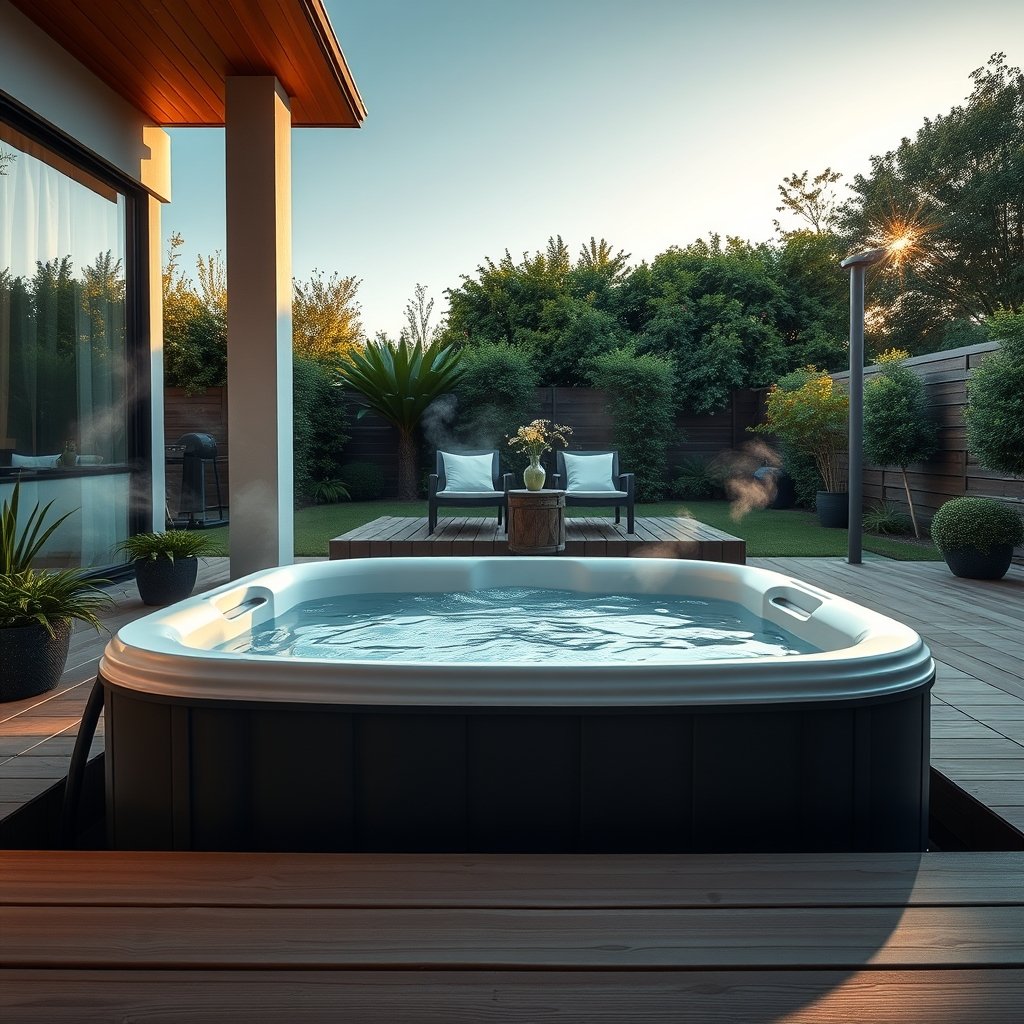
A portable cold plunge tub is a collapsible or inflatable soaking vessel designed for fast, accessible cold water immersion anywhere—at home, in the yard, or after an outdoor event. Top models offer quick setup, rugged materials, and athlete-oriented features, making them an essential recovery tool for anyone pushing their limits.
Why does it matter for recovery? New studies from 2024 prove that cold plunge sticks: rugby athletes using ice baths had only a -1.3% drop in jump height after three weeks of training versus -7% in controls (Science for Sport). Chronic use helps volleyball players maintain muscle performance, while cold water immersion immediately reduces muscle soreness (DOMS) and the feeling of exhaustion after tough workouts.
Most notably, cold plunges are now highly portable—vital for athletes with busy travel, frequent event attendance, or small living spaces. Whether you’re building a home gym setup or need something you can take to a tournament, today’s portable tubs are far from one-size-fits-all. Careful selection can elevate your recovery and training consistency.
How to Choose and Use a Portable Cold Plunge Tub: Step-by-Step Guide
- Assess Your Recovery Needs and Space
Are you an endurance athlete, weightlifter, or looking for general wellness? Space requirements matter: do you need to fit your tub on a small apartment balcony, or are you setting it up outdoors near a garage or shed? If portability is key, look for inflatable or folding tubs under 10 pounds, like Polar Recovery or Plunge Air.
- Select the Best Tub Features for Your Use Case
If durability is crucial, avoid flimsy, cheap inflatables that can pop under pressure (Men’s Health). Seek UV-resistant, multi-layer or drop-stitch construction designs with proper insulation if you’ll use your tub outside year-round.
- Consider Water Chilling & Maintenance Strategy
Budget tubs often rely on manual ice, making regular use impractical unless ice is cheap or you own a large freezer. Upgrading to models like Plunge Original—with built-in chiller and optional app control—dramatically simplifies cold plunge setup, especially for daily athletes.
- Set Up Your Tub for First Use
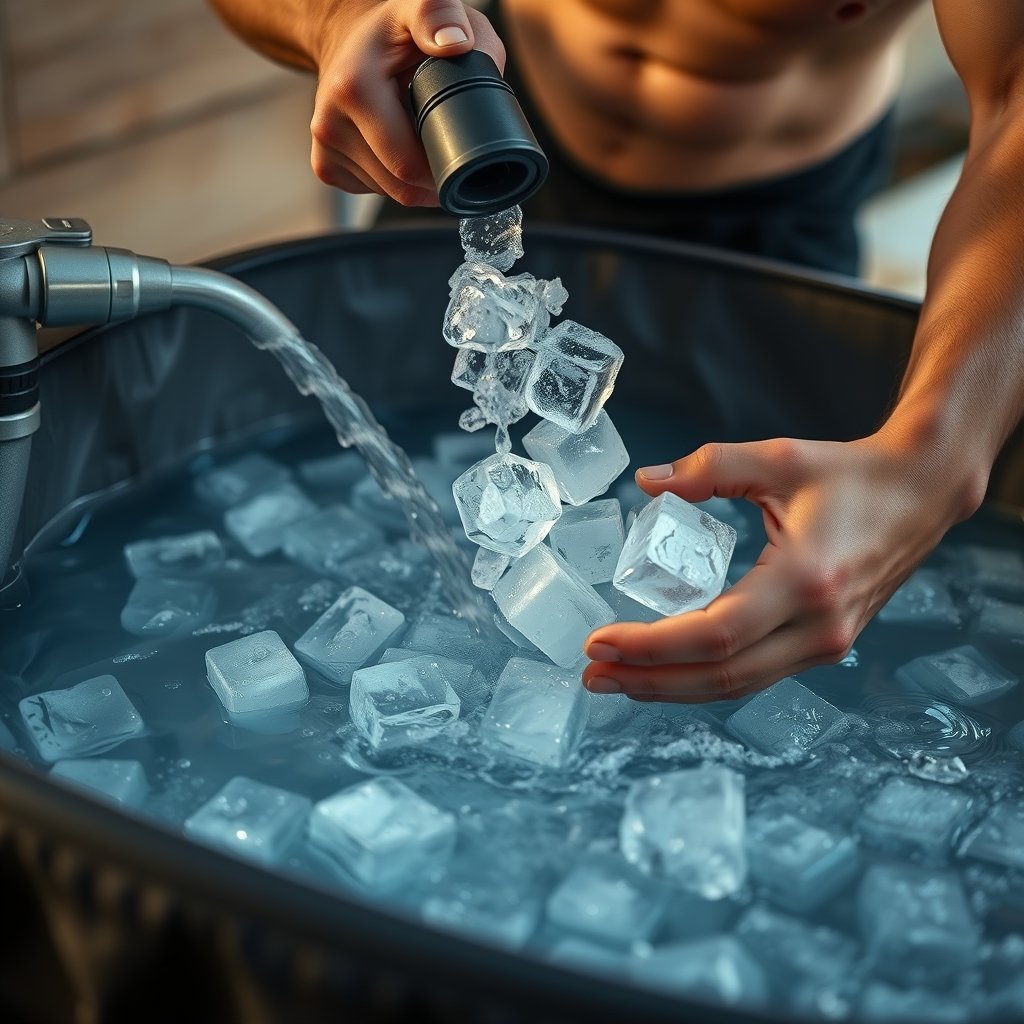
Allow 10–15 minutes for inflatables or collapsible models. Pick a level surface, inflate or erect the tub fully, and fill with cold water. For fastest cooling, add ice or connect a chiller if available. Make sure to test stability before plunging in—many users report flopping or shifting when entering poorly designed tubs (Garage Gym Reviews).
- Establish a Consistent Cold Plunge and Sanitation Routine
Start with 2–5 minute plunges at 50–59°F (10–15°C). Use UV sanitation features if your model includes them, and change water regularly. For ongoing use, store your portable cold plunge tub indoors or covered outside to maximize longevity.
Want to enhance your recovery routine? Pair your cold plunges with performance apparel that wicks moisture and insulates when you exit the tub, or integrate stretches and foam rolling while you rewarm post-plunge.
If you’re an outdoor enthusiast who trains on trails or participates in adventure sports, portable cold plunges make post-event recovery possible on the go—just remember to bring enough ice or a chiller for remote use.
Advanced Analysis & Common Pitfalls
While portable cold plunge tubs have gotten dramatically better, there are still plenty of traps and beginner mistakes. Knowing what to avoid can save you money and frustration.
| Model | Typical Cost | Construction/Materials | Insulation | Weight (Empty) | Fill Capacity | Chill/Use Notes |
|---|---|---|---|---|---|---|
| Plunge Air | Affordable (best value) |
Inflatable, insulated, UV-resistant | Efficient, outdoor-rated | Lightweight | Not specified | Quick setup, travel ready |
| Sun Home Cold Plunge | Mid–High | Military drop stitch inflatable | Hot/cold, rugged | Portable | Not specified | Durable, best portable scores |
| Plunge Original | Premium | Rigid, stable | Indoor/outdoor, fast chill | Light for size | Not specified | Used by pro athletes, app integration |
| Polar Recovery | Under $100 | Foldable, lined | Basic | <7 lbs | Shoulder-depth | Manual ice, best for travel |
| Rubbermaid Stock Tank | ~$100 | Utility grade | None/basic | Heavy | 100 gallons | Old-school, very durable |
| Ice Barrel 300 | Mid | Barrel plastic | Not detailed | Heavy | Not specified | Manual fill/ice |
- Stability headaches: Cheap inflatables can flop or collapse when you enter or exit. Invest in a multi-layer or drop-stitch tub if you’ll use it often, travel, or don’t want a wet disaster when things go wrong (Men’s Health – Best Cold Plunge).
- Chill time frustration: Non-chiller tubs often need huge amounts of ice. Bags of ice get expensive quickly and aren’t practical if you want daily use. In high heat or direct sun, flimsy tubs can’t hold temp for long.
- Hidden costs: Beyond ice, inflatable tubs may need patch kits, and only come with short warranties. Expect to replace liners or patch punctures if using on rough surfaces or transporting a lot (Garage Gym Reviews).
- Sanitation gaps: Most budget tubs have zero built-in sanitizing—plan to empty frequently or use pool tablets. Some newer models feature UV sanitation for easier maintenance (Science for Sport).
Portability is strongest in models that fold compact or weigh under 10 lbs—great if you want recovery after team sports or outdoor events, but consider a slightly heavier, more stable build if you want year-round use where it sits. If you love car camping, you may also want to research tools like a portable power station for running a chiller in the wild.
Conclusion
Athlete-level recovery is now possible anywhere thanks to innovative portable cold plunge tubs with features like UV sanitation, fast setup, and surprisingly durable foldable designs. But “portable” doesn’t mean “perfect”—prioritize stability, easy maintenance, and the right insulation for your routine and local climate. Read reviews on warranty, and don’t underestimate the ice (or chiller) commitment if you want cold water consistently.
Ready to upgrade your post-workout ritual? Choose a portable cold plunge tub that matches your space and usage needs—you’ll accelerate your recovery and enjoy the process. Compare top models, weigh ongoing costs, and plunge with confidence.
Frequently Asked Questions
Can you use a portable cold plunge tub outdoors all year?
Yes, premium and mid-range models are built for outdoor use, even during winter. Opt for UV-resistant, insulated, or drop-stitch construction and clean regularly to avoid mold or algae. Store or cover your tub when not in use in harsh climates.
How much ice do you really need for a cold plunge?
For a standard-sized tub, you’ll typically need 40–60 pounds of ice to reach 50–59°F if starting with tap water in the 70s. Freezing water jugs can help reduce cost. Consider a cold plunge with built-in chiller for frequent use.
How do I keep the water clean and safe?
Change water regularly—every few uses for manual tubs. Some models include UV sanitation. You can also use pool sanitizer tablets and rinse with mild soap between uses. Never leave water stagnant for long periods, especially outdoors.
Are there health risks to cold plunging?
Cold plunging is safe for most healthy adults, but avoid prolonged sessions or water below 50°F if new. Always check with a healthcare professional if you have cardiovascular or cold sensitivity issues. Enter and exit slowly to prevent shock or slips.
What is the average price for a high-quality portable cold plunge tub?
Quality portable models start from under $100 for basic tubs and can exceed $1000 with built-in chillers, UV sanitation, or premium materials. Watch out for unauthenticated warranties and consider ongoing ice or maintenance costs.