

Ultralight backpacking gear has rapidly evolved in 2024, promising extraordinary weight savings for hikers eager to move faster and farther. But is chasing minimum pack weight really the best move—and what do you lose along the way? This guide reveals the true trade-offs behind the quest for the lightest setup, real cost breakdowns, and insider techniques that expert backpackers actually use.
Key Takeaways
- Cutting pack weight is possible—some setups achieve base weights as low as 3 to 4 lbs—but often at the cost of durability, comfort, and repair needs.
- The best ultralight backpacking gear balances weight with reliable weather performance, user comfort, and realistic costs.
- Modern innovations like Dyneema fabrics and repairable designs are closing the gap between ultralight and traditional gear reliability.
- What Is Ultralight Backpacking Gear & Why Does It Matter?
- How To Choose and Use Ultralight Backpacking Gear: A Real-World Guide
- Advanced Analysis & Common Pitfalls
- Conclusion
- Frequently Asked Questions
What Is Ultralight Backpacking Gear & Why Does It Matter?
Ultralight backpacking gear means minimizing the weight of every essential item you carry on trail. The goal: hike farther with less fatigue, enjoy more miles per day, and move with greater freedom. In 2024, “ultralight” typically refers to a base pack weight (everything except food and water) of under 10 pounds—often between 4 and 7 lbs for serious hikers.
Cutting down to true ultralight pack weight impacts every gear decision: you’ll see trade-offs in durability, initial price, repair needs, and even comfort. The core is choosing the right pack, shelter, and sleep system (the “Big Three”) that fit your trip’s length, terrain, and weather challenges. Lighter doesn’t always mean better—and chasing the lightest gear is only an advantage if safety, comfort, and long-term costs are also balanced.
How To Choose and Use Ultralight Backpacking Gear: A Real-World Guide
1. Identify Your Target Base Weight
For most hikers, a realistic base weight goal in 2024 (excluding consumables like food and water) is 4 to 7 lbs (1.8 to 3.2 kg). Elite setups—often costing more and requiring greater attention to packing skill—can dip down close to 3 lbs, but these require serious compromises in durability and comfort.
2. Prioritize the Big Three
- Pack: Models like the Hyperlite Mountain Gear Unbound 40 or Southwest 55 (20-24 oz) have set the benchmark for water resistance and weight in 2024. Entry-level alternatives like 3F UL Gear Qidian Pro save money for those open to less prestige.
- Shelter: Lightweight, single-wall tents and Dyneema tarps are standard. Expect about 1-2 lbs for weather-worthy options, with notable risk of fabric punctures and condensation in the lightest models.
- Sleep System: Ultralight insulated pads (e.g., Therm-a-Rest Uberlite) and 30°F quilts or bags trimmed for weight keep your load low. Be wary: thinner pads mean site selection matters more.
3. Balance Cost Against Durability
Advanced ultralight kits (like premium Dyneema setups) can easily top $1500 in 2024. Budget-minded backpackers can find acceptable setups for $500–$800, using entry-level packs, budget rain gear, and strategic shopping. Keep in mind, cheaper lightweight gear often means more repairs and shorter lifespan.
- Packs: $300–$400 for premium; $150–$200 for solid value options
- Shelter/Sleep: $200–$400 combined for dependable ultralight options
- Trekking Poles: Cheap models may bend, but are easily replaced—don’t overspend unless you bushwhack regularly
- Clothing: Durable trail pants (MEC Tech, not merely “trendy” UL apparel) and robust rain jackets (400D EcoPack) are worth every penny if you hike in mixed terrain
4. Do a Realistic Field Test
Hike a long weekend with your chosen setup. Adjust items if you notice pain points: shoulder strap discomfort, insufficient warmth, gear fragility, or lack of weather protection. Aim for flexibility—sacrifice ounces, if needed, for critical comfort and safety.
5. Maintain and Repair Your Kit
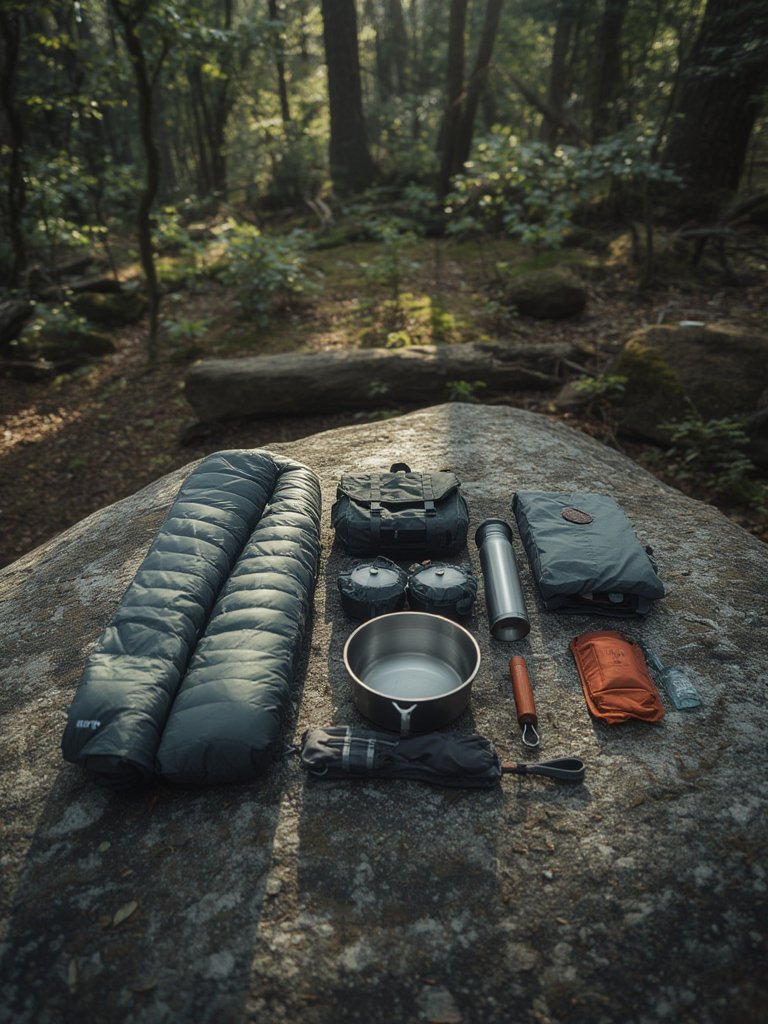
Even top-rated ultralight gear like the Hyperlite Unbound 40 will eventually show wear—frayed straps, bent poles, or a ripped tent can occur unexpectedly. Be proactive with repairs using patches and field fixes. Sometimes, durability matters more than absolute weight.
Consider gear swaps and upgrades season by season. It’s common for serious hikers to cycle between ultralight setups and more robust gear, especially for colder or wetter trips.
For those interested in cross-training for adventure, take a look at strategies to boost fitness and endurance in outdoor adventure sports—your overall training will benefit your backpacking resilience and comfort.
For remote trips or if you venture outside cell service, consider packing a satellite communicator for hiking to stay safe and connected.
Advanced Analysis & Common Pitfalls
Common Ultralight Backpacking Gear Pitfalls
- Durability Issues: Frequent user complaints in 2024 include packs fraying at stress points after a few years, tent fabric failing in high winds, zippers breaking, and thin sleeping pads puncturing without careful site selection (see real-world stories).
- Poor Weight Transfer: Many ultralight packs skip load lifters or robust hip belts to save ounces. On longer or food-heavy trips, this can transfer too much strain to your shoulders and back.
- Weather Performance: Some ultralight jackets and pants “wet out” much faster than expected in sustained rain, while single-wall tents can become condensation traps. Fragile rain gear (especially minimalist fabrics) can fail in bushwhacking conditions.
- Frequent Repairs Needed: Unlike many traditional packs that last a lifetime, ultralight models often require field repairs or component replacements—expect a higher ongoing investment in time and money.
- Not Suited For All Seasons: Shoulder season and winter use can be risky with ultralight gear unless you’re experienced and supplement with bulkier items as necessary.
Side-By-Side Comparison: Ultralight vs Traditional Backpacking Kits
| Aspect | Ultralight Gear | Traditional Lightweight Gear |
|---|---|---|
| Base Pack Weight | 3–7 lbs typical (as low as 3–4 lbs possible) |
10–20 lbs |
| Durability | Frequent repairs needed; some fragile components (zippers, thin fabrics) | Often “lifetime” gear; rarely needs repair |
| Comfort on Long Carries | Less padding, no load lifters (shoulder/hip discomfort on heavy carries) | Heavier, but more supportive for extended trips |
| Weather & Season Coverage | Best for 3-season trips; struggles in winter/cold storms | Better 4-season & storm protection |
| Field Test Reports | Packs fray in 2–3 years; shoes last ~500 miles; tents can rip in winds (see lab reviews) | Decade+ lifespan not uncommon; less fun to carry, but safer in bad weather |
| Cost (2024) | $500–$800 entry, $1500+ advanced kits | $300–$1000 typical (longer-lasting) |
Important Realities Competitors Ignore
- Winter/Shoulder-Season Optimization: Many “top” guides don’t warn that ultralight fabrics aren’t suitable for storm-heavy or freezing camps. Upgrade or pack extra insulation for safety.
- Long-Term Costs: Over years, frequent repairs and part replacements can make ultralight gear just as expensive as traditional builds—especially if you hike big miles.
- Comfort for Extended Trips: Minimalist gear saves weight but can lead to cumulative pain on 7+ day journeys. Sometimes it’s smarter to bring a slightly heavier but much more supportive pack.
To learn about other high-efficiency outdoor gear categories—like bikepacking bags for long rides—explore specialized guides for performance gear across sports.
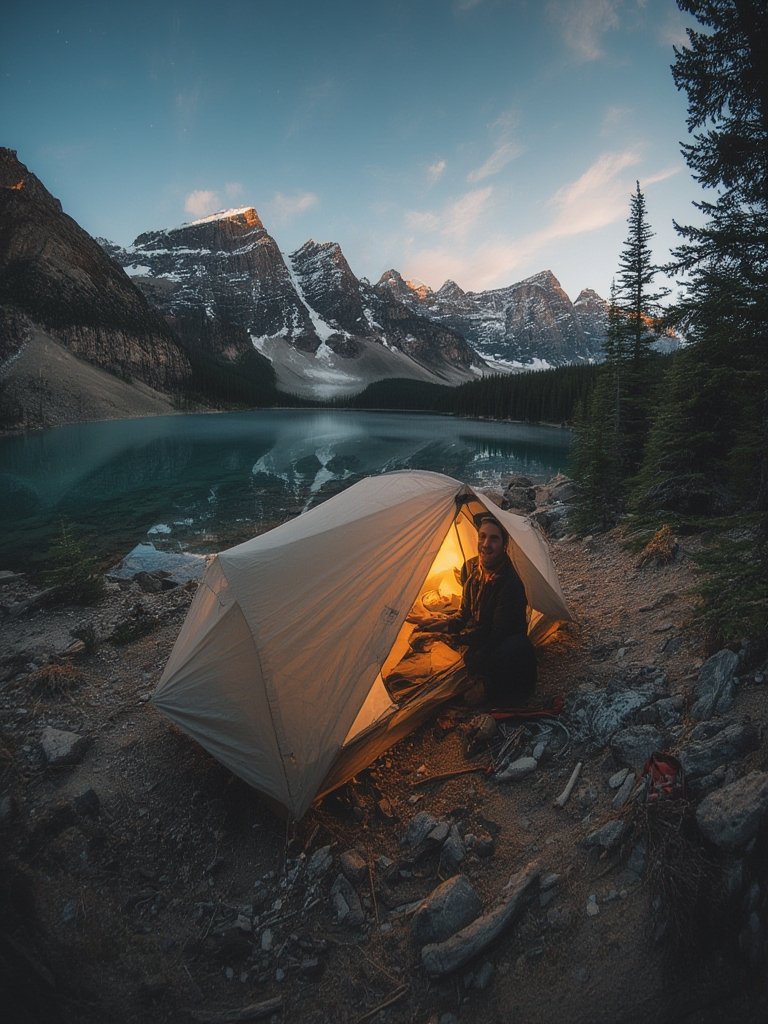
Choosing a tent that balances weight and fast setup time? You might like our breakdown on inflatable camping tents—proof that innovation isn’t just about dropping weight, but also about real-world convenience and comfort.
Want to know more about comfort and performance in sports apparel? Visit our sports apparel buying guide.
Conclusion
Ultralight backpacking gear excels at helping you move farther with less fatigue, but getting the balance right is crucial. Go too light, and you’ll battle repairs, discomfort, and limited weather protection. Focus on gear that matches your skill, your route, and local climate. In 2024, there are excellent options on both ends of the market—modern fabrics like Dyneema and EcoPack offer true advances in weight and durability. Use a realistic base weight target, field-test before committing to big trips, and always prepare for the unexpected.
Want to master the art of efficient packing, comfort, and adventure? Start building your kit today with ultralight backpacking gear—but don’t be afraid to put experience over dogma. Ready for your next epic hike? Share your lessons, test your setup, and keep adjusting for true trail success.
Looking for more ways to optimize your fitness for backpacking? Compare cardio vs strength training and explore routines that keep you trail-ready.
Frequently Asked Questions
What is considered “ultralight” backpacking base weight in 2024?
“Ultralight” usually means a base pack weight under 10 pounds, but most dedicated setups now land in the 4 to 7 lb range, with about 3–4 lbs possible using the lightest (and most expensive or specialized) gear.
How much should I budget for a complete ultralight backpacking gear setup?
Expect $500–$800 for a smart entry-level kit using value brands and some compromises. Premium setups using advanced materials like Dyneema or EcoPack can push past $1500, especially if the gear is all new.
Does ultralight gear last as long as traditional gear?
Not usually. Many ultralight packs and tents require field repairs or replacement within a few seasons. Expect frayed straps, fabric rips, and component failures more often—but accept this as the price for minimal weight.
Is ultralight gear safe for winter or cold wet conditions?
Most ultralight gear is optimized for 3-season use. For winter, heavy rain, or rough terrain, supplemental layers and more robust gear are safer. Thin fabrics and minimalist construction struggle in storms or snow.
Where can I learn more about specific innovations in ultralight gear?
Check out hands-on reviews of products like the Hyperlite Unbound 40 or Qidian Pro on OutdoorGearLab and vetted YouTube gear list breakdowns.