

### Blog Post:
Rooftop tent camping is rapidly transforming how outdoor enthusiasts experience the wilderness by providing simplicity, mobility, and a sense of adventure unavailable in traditional camping options. Whether you are a weekend explorer or a veteran overlander, rooftop tents promise quick setups, comfort off the ground, and newfound flexibility for wherever your travels lead.
Key Takeaways
- Rooftop tent camping is surging in popularity due to convenience, market innovations, and the influence of overlanding culture.
- Modern rooftop tents integrate new materials, solar panels, and automatic setup features—but users should weigh the practical limitations and real-world fit for their vehicle and needs.
- Choosing the right rooftop tent requires careful assessment of technical specs, vehicle compatibility, and awareness of genuine user obstacles.
- The Core Concept: What Is Rooftop Tent Camping?
- Step-by-Step Guide to Rooftop Tent Camping
- Advanced Analysis & Common Pitfalls
- Conclusion
- FAQ
The Core Concept: What Is Rooftop Tent Camping?
Rooftop tent camping mounts a tent directly to your vehicle’s roof racks, providing a secure, elevated place to sleep. This approach bypasses rough or muddy ground, offers improved ventilation, and can be set up in just a few minutes. Modern rooftop tents come in both hard shell and soft shell versions, fitting on SUVs, crossovers, and some cars with sturdy racks.
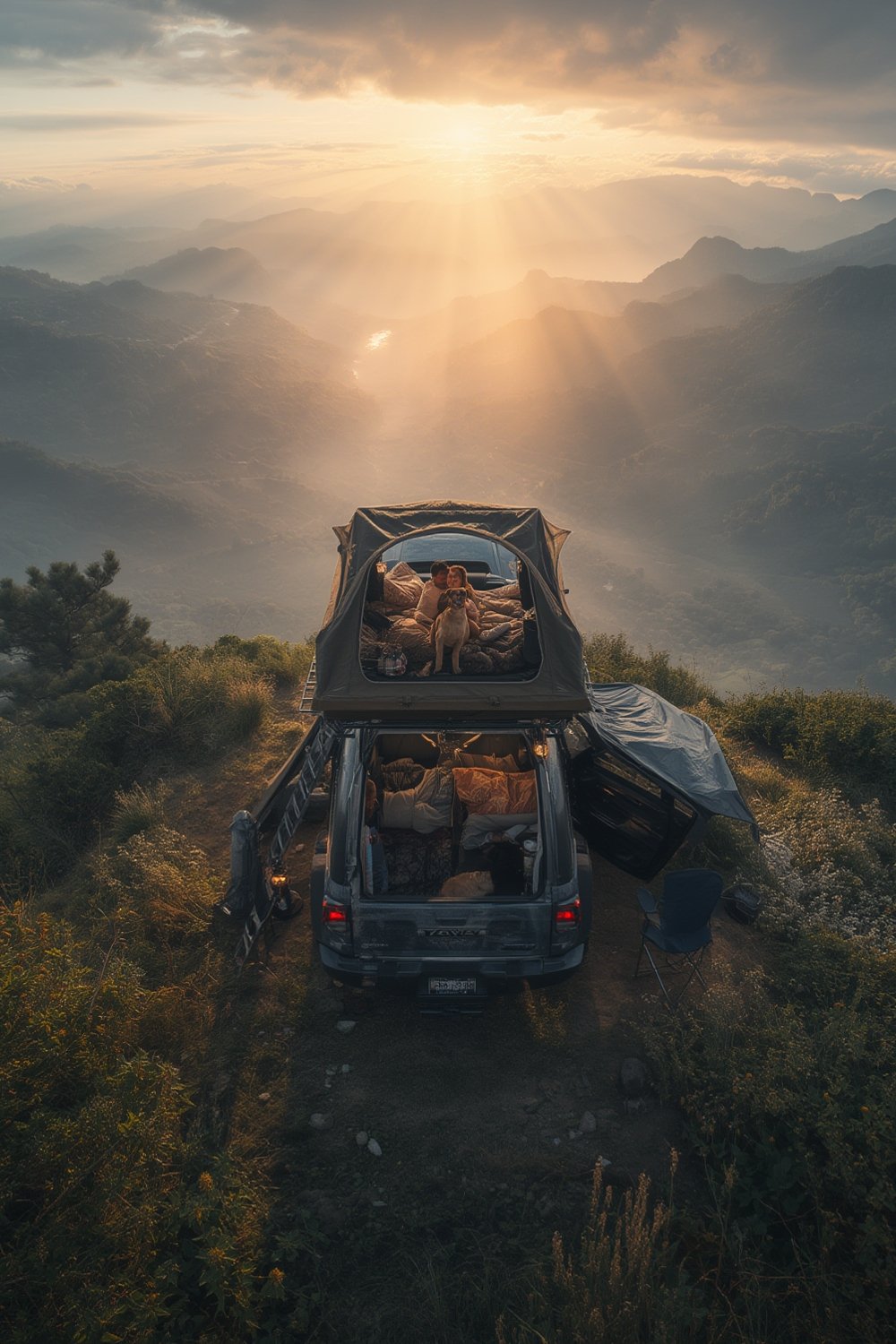
Rooftop tent camping is popular with overland travelers and adventure seekers. Recent market research shows that in 2024, the market passed $215 million and is growing fast, fueled by the craving for outdoor travel and eco-tourism.
This camping style removes concerns about rocky, wet, or uneven ground and often brings the comfort level closer to a camper van or small RV, but at a fraction of the price. For those curious about other innovative outdoors options, see our inflatable camping tent guide as well.
Step-by-Step Guide to Rooftop Tent Camping
- Assess Your Vehicle’s Roof Load Capacity: Before anything, check your vehicle’s roof dynamic and static load limits in the owner’s manual or manufacturer’s website to ensure safe installation.
- Choose Compatible Roof Racks and Tent Model: Invest in heavy-duty crossbars compatible with your car make and hard shell tents of choice. Leading hard shell tents are in high demand due to protection and quick setup, as noted in recent market trends.
- Installation: Secure the roof racks and follow instructions for tent mounting. Ensure all fasteners are torque-checked for safety. If unsure, get professional help.
- Pack Smart: Use built-in storage features and plan minimal bedding. Take lightweight, weatherproof sleeping gear and only essentials, as rooftop tents often have lower weight limits than ground tents.
- Campsite Selection & Parking: Choose flat ground and always engage the parking brake. Avoid sloped or soft surfaces that can cause sliding or uneven sleep.
- Set Up Camp: Deploy the rooftop tent, extend the ladder, and organize the interior. Hard shell tents may open in under 3 minutes, while soft shells require a bit more labor. Test all zippers, seams, and weatherproofing before your first night out.
- Next-Morning Breakdown & Storage: Let the tent air out briefly before folding down to avoid mildew. Double-check lash points before driving.
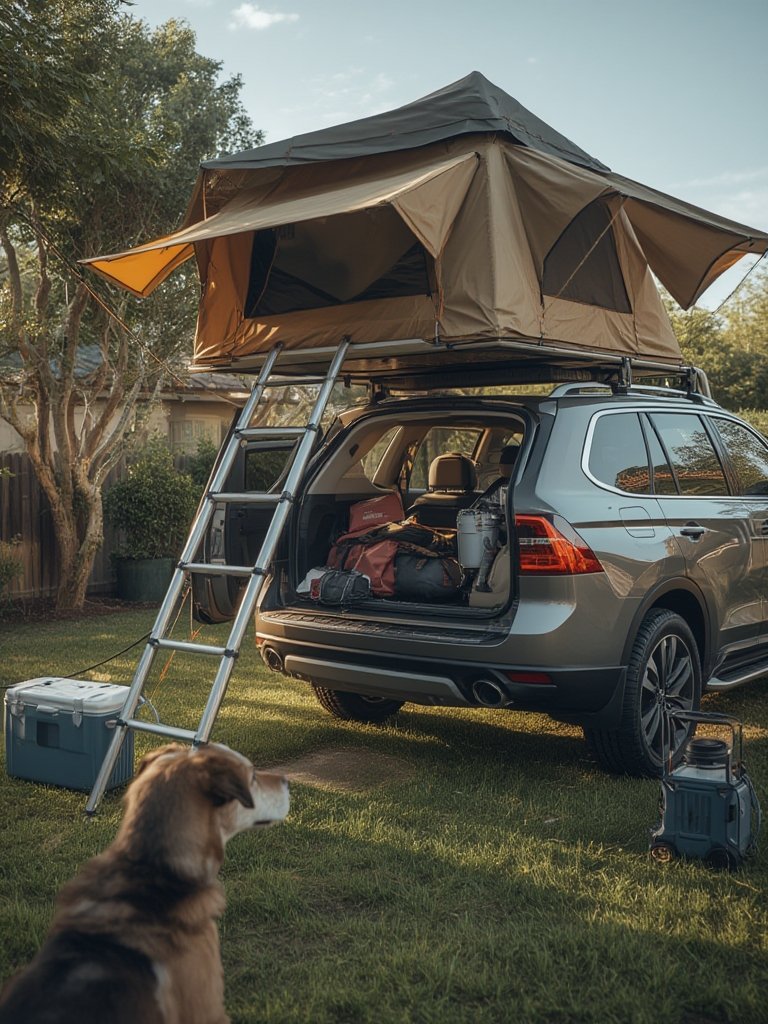
If you want to modernize your setup further, consider combining rooftop tents with a portable power station for reliable off-grid energy or try an ultralight backpacking gear list to upgrade your camp accessories without extra weight.
For those who prefer more comfort, modular add-ons such as annex/room attachments, awnings, or small folding tables can expand your campsite while still keeping your camp footprint light and mobile.
Advanced Analysis & Common Pitfalls
Despite the many upsides, rooftop tent camping is not without challenges. Real-world users have suggested (beyond the research data) some issues that every buyer should consider carefully:
- Lack of Verified User Reviews: Many sources, including industry reports, do not include direct buyer complaints or pain points. For realistic feedback, review trusted outdoor forums or retailer ratings.
- Vehicle Compatibility Mysteries: Few tent makers openly provide fitment or weight data for every SUV and crossover. Always confirm your rack and tent combo will safely fit your specific model—manufacturer guidelines are essential for safety.
- MPG and Handling Impact: No formal studies report on how much a rooftop tent decreases fuel economy or alters vehicle dynamics, but expect increased wind resistance and weight.
- High Upfront Investment: While often cheaper than an RV, a high-quality rooftop tent system can cost much more than a good ground tent setup when you include racks and installation labor (see rough comparison chart below).
- Setup and Takedown Constraints: Hard shell tents are faster to set up than soft shell designs; however, all add drag and require open space to unfold. They’re not ideal for late-night arrivals in packed or urban campgrounds.
- No True “Drive-Away” Freedom: Once your tent is up, you can’t drive away until it’s fully packed and closed. This limits mid-camp errands or sightseeing without breaking down camp.
| Feature | Rooftop Tent Camping | Ground Tent Camping |
|---|---|---|
| Setup Time | 2-10 minutes (hard shell quicker) | 10-20 minutes (depends on size) |
| Weather Protection | Superior | Variable |
| Relative Cost (USD) | $1,500–$4,000+ incl. racks | $100–$500 |
| Vehicle Requirements | Strong racks, adequate roof load | None (anywhere on ground) |
| Sleeping Capacity | 2–6 people (most 2–4) | 1–10+ |
| Flexibility of Leaving Camp | Camp must be broken down to drive | Can leave/return freely |
If you’re interested in other outdoor fitness setups, our guide to outdoor adventure sports covers activities that blend well with camping culture.
Conclusion
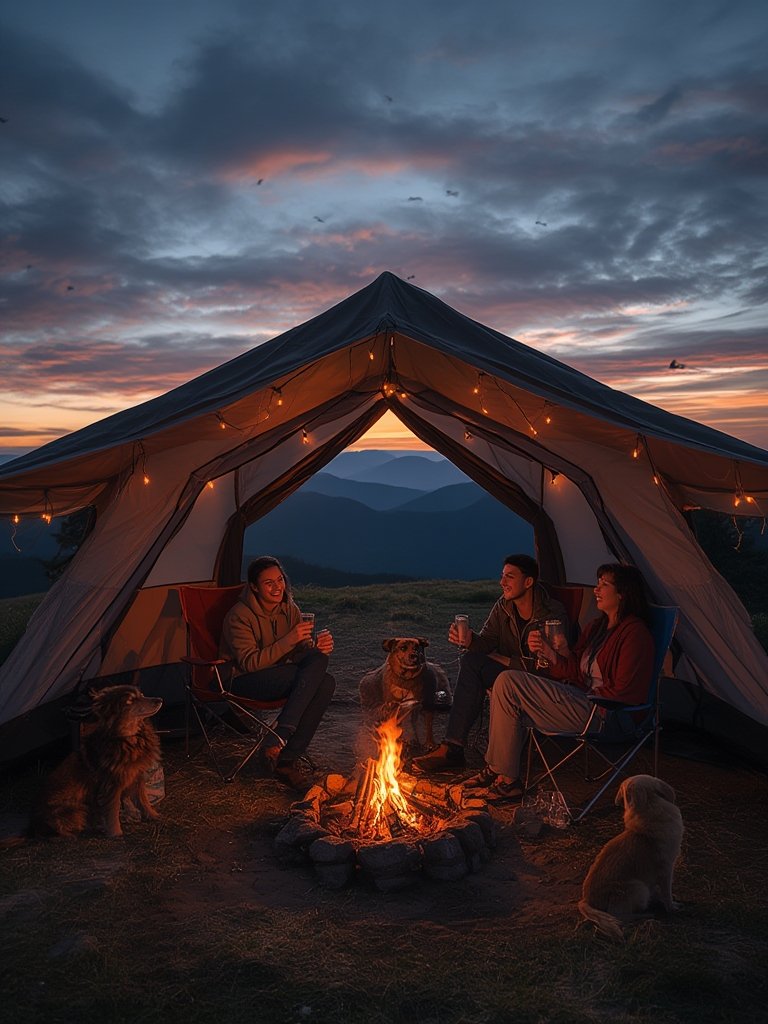
Rooftop tent camping is reshaping vehicle-based adventure, offering efficiency, higher comfort, and adaptable shelter for a fast-growing population of campers and overlanders. However, for every benefit there are trade-offs—be realistic about your travel needs, costs, and car compatibility before taking the leap into rooftop tent camping.
Ready to transform your next camping adventure? Research your options, test a few models if you can, and embrace the flexibility rooftop tent camping delivers.
Frequently Asked Questions
Does rooftop tent camping work for all vehicles?
Not all vehicles can safely support a rooftop tent. You need roof racks rated for the tent’s weight and to stay within your vehicle’s dynamic and static load limits. This is particularly important for sedans and crossover SUVs with lower roof ratings.
How much does a quality rooftop tent setup cost?
Expect to pay from $1,500 to over $4,000 for the tent, racks, and possible installation—significantly more than a ground tent, but much less than a camper trailer or small RV. Accessories and optional tech add to final costs.
How do I protect my rooftop tent from theft?
Many tents and racks come with built-in locks or can be fitted with aftermarket locking hardware. Always park in secure, well-lit locations and consider motion-sensor lights or alarms in high-risk areas.
Is rooftop tent camping comfortable in bad weather?
Good rooftop tents offer impressive storm resistance, with fiberglass or composite shells and waterproof fabrics. Superior elevation also helps in wet conditions, but strong winds can cause sway, and insulation varies widely between brands.
Can I keep bedding inside my rooftop tent while folded?
Most hard shell models allow thin bedding (like sleeping bags) to remain inside when closed. Bulky pillows or thick duvets must usually be packed separately, so consider space-saving bedding options.
—