

### Blog Post:
Inflatable paddle board sales have surged in recent years as paddlers discover their unique blend of portability, versatility, and performance—yet, not every SUP experience is smooth sailing. Whether you’re picking your first board, upgrading as a seasoned rider, or comparing to rigid models, it pays to cut through the hype with real numbers, practical steps, and honest pros and cons.
Key Takeaways
- Inflatable paddle boards make up over 60% of stand-up paddle board revenue, driven by portability and ease for urban users.
- All-round models now dominate the market, offering multi-purpose performance best suited to beginners and casual paddlers.
- Common pitfalls include durability concerns, inflation hassles, and subtle differences in stability compared to rigid boards—be sure to know before you buy.
- What Are Inflatable Paddle Boards and Why Are They So Popular?
- Step-by-Step Guide: Choosing and Setting Up Your Inflatable Paddle Board
- Advanced Analysis & Common Pitfalls
- Conclusion
- FAQ
What Are Inflatable Paddle Boards and Why Are They So Popular?
Inflatable paddle boards (often called inflatable SUPs) are stand-up paddle boards made from reinforced PVC materials with internal drop-stitch fibers, allowing them to hold high inflation pressures and behave similarly to rigid boards on the water. When deflated, they roll up to fit in a backpack, opening up paddle sports to anyone with limited storage or a small car.
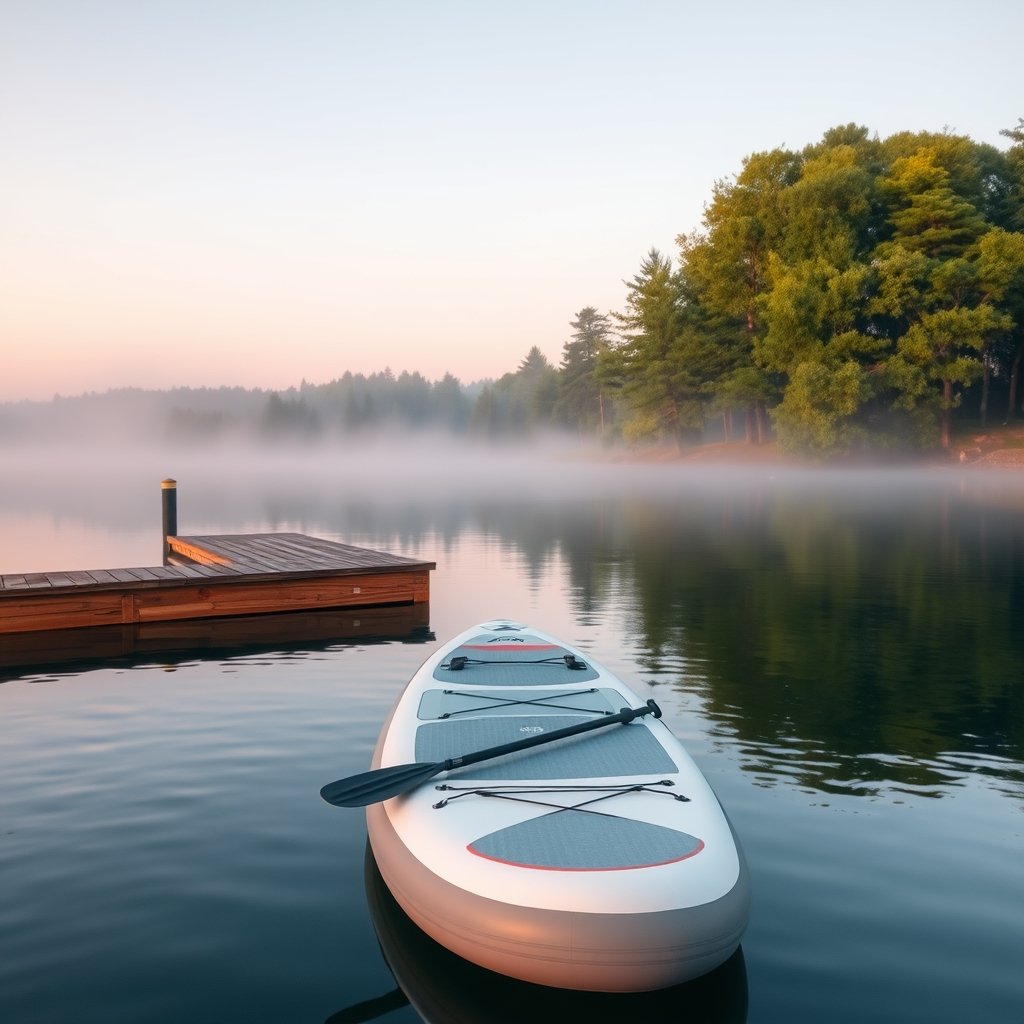
The global stand-up paddle board market hit $1.75–1.90 billion in 2024, with inflatables accounting for over 60% of sales revenue and a forecasted 10%+ annual growth through 2031.[1] This momentum is strongest in urban regions and among travelers, families, and apartment dwellers—groups less interested in garage space for a rigid SUP. The portability factor, together with ease of shipping and compact storage, explains the recent buyer shift.
All-rounder boards (44%+ market share in 2025) offer versatile use for recreation, fitness, and touring.[2] For those exploring outdoor sports, inflatables make a natural step alongside hiking, bikepacking, and camping—especially for users who already appreciate gear that packs down small or needs to share trunk space with other adventure essentials.
Step-by-Step Guide: Choosing and Setting Up Your Inflatable Paddle Board
Finding the right inflatable paddle board means more than picking a flashy color. Here’s a field-tested checklist for getting started:
- Define your use-case. Most beginners do best with all-round or recreational shapes—these are wider (30–34 inches), add stability, and work equally well in calm lakes or moderate surf. If you’ll haul kids, pets, or gear, check the stated weight capacity.
- Check construction quality. A good inflatable should use double- or triple-layer PVC, and rugged drop-stitch cores. Inferior boards feel “squishy” and may lose shape over time. Avoid off-brand ultra-cheap models lacking repair support or warranties.
- Kit essentials: A beginner set should include the board, pump, paddle, fin(s), repair kit, carry backpack, and leash. Double-action hand pumps speed up inflation. For frequent paddlers or those with limited arm strength, an electric pump is a game changer.
- Inflation and setup: Remove the board from its bag, unfold on clean ground, and use the included pump to reach the recommended PSI (typically 12–16 PSI for rigidity). Snap in fins, attach your leash, and secure gear with on-board storage bungees.
- Deflation and packing: Remove fins and leash. Open the valve, gently press beginning at the nose, and tightly roll the board for air release. With experience, deflation and packing should take less than 10 minutes.
- Ongoing care: Rinse with fresh water after saltwater use. Dry before storage to prevent mildew. Check for valve leaks seasonally and patch any punctures with your included kit.
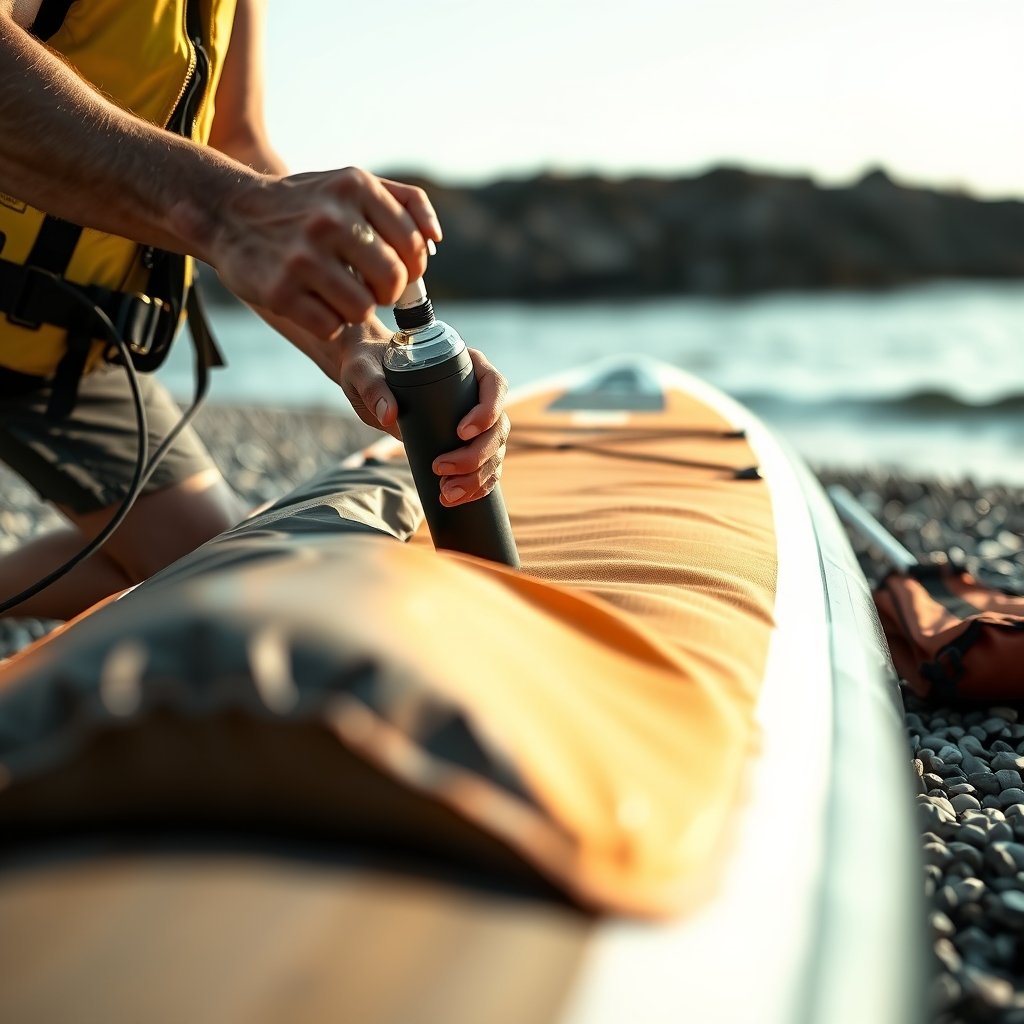
Choosing gear that matches your adventure—be it paddling on family tours or squeezing equipment into camper vans—sets up lasting enjoyment. If you’re cross-shopping options, see our resources on inflatable tents for more portability tips, or dive into outdoor adventure sports guides for broader fitness ideas.
Advanced Analysis & Common Pitfalls
While inflatables enjoy growing market dominance, smart buyers should weigh a few realistic drawbacks and ponder if portable convenience offsets these factors for them.
- Durability Concerns. Cheap inflatables cut corners on layering and materials, making them prone to punctures, deck delamination, or “banana-ing.” For heavier users, boards with double- or triple-layer skins add peace of mind but at higher cost and weight.
- Inflation Hassle. Setting up takes physical work. Inflatables must be pressurized to the manufacturer’s specified PSI to avoid flexing on water. Hand-pumping a large board can take 7–10 minutes; larger boards or high pressures may exhaust some users.
- Stability and Performance. Most users won’t notice much performance loss compared to rigid SUPs, but racers and experienced surfers may detect subtle flex under load or slight drag. All-round boards offer the most stability but sacrifice top-end speed or surf maneuverability.
- Warranty and Support. Not all brands stand by their products. Boards from unnamed or mass-market brands often lack meaningful warranties. Look for boards with documented service, generous returns, and solid customer care.
If you’re new to packable outdoor gear, see how inflatable paddle boards compare to ultralight backpacking gear or portable power stations for camping.
| Feature | Inflatable SUP | Rigid SUP |
|---|---|---|
| Storage & Transport | Rolls up into backpack; fits small cars/apartments | Requires roof rack or large storage; not easily portable |
| Setup Time | 7–10 minutes to inflate (faster with electric pump) |
1–2 minutes; just unstrap and go |
| Durability | Safe from dings, but punctures possible; needs care | Tough; can chip or crack but rarely punctures |
| Performance | Excellent for recreation; slight flex under heavy load | Best for advanced paddling; stiffer, faster response |
| Average Price (Beginner Kit) | $250–$700 | $600–$1,800 |
| Maintenance | Rinse and dry after use; patch leaks as needed | Rinse and dry; occasional repairs for dings/chips |
According to Mordor Intelligence, in-store purchases still dominate (70% in 2024), as buyers want hands-on inspection—especially for stiffness and seam quality. However, the wave of inflatable SUP growth comes from users who prioritize convenience, compact storage, and access over technical edge.

Conclusion
Inflatable paddle boards have won over a clear majority of paddlers due to their unique blend of portability, approachable pricing, and versatility for all skill levels. Be realistic about the learning curve, maintenance, and differences versus rigid boards—most casual users will find inflatables more than capable for their needs. For a full-body workout that’s easy to store and set up, the inflatable paddle board is hard to beat.
Want to make the most of your outdoor training? Pair paddle boarding with complementary cardio or strength routines and prepare with the right sports apparel for comfort. Ready to try? Research your board, gear up, and hit the water this season.
FAQ
Are inflatable paddle boards as stable as rigid boards?
For most users and recreational paddling, inflatable paddle boards are very stable. They are often wider and thicker than rigid boards, which helps beginners find their balance. However, serious racers or surfers may notice slightly more flex and reduced speed compared to carbon-fiber or epoxy SUPs.
How long does it take to inflate and set up an inflatable paddle board?
With a good double-action hand pump, most inflatable SUPs can be ready in 7–10 minutes. Electric pumps can reduce this to 5 minutes or less. Deflation and packing, once practiced, takes about the same amount of time.
What should I look for in a high-quality inflatable paddle board?
Prioritize boards with double- or triple-layer PVC, drop-stitch construction, reliable valves, and solid customer support. A good kit will include pump, paddle, repair kit, and a leash. Check for warranty terms and easy-access customer service.
Are there any downsides to inflatable paddle boards?
Potential downsides include punctures (which can be patched), needing to inflate before use, slightly less stiffness under heavy loads, and sometimes less speed. Cheaper models may lack durability, warranties, or customer support.
How do inflatable SUPs compare in price to rigid SUPs?
Inflatable SUPs are generally less expensive, with quality beginner kits starting around $250–$350 and midrange boards up to $700. Rigid boards often cost $600–$1,800, not including accessories or the need for large storage/transport space.