

### Blog Post:
Portable power station camping is rapidly transforming the way outdoor enthusiasts power their campsites, devices, and adventures—providing quiet, rechargeable, and increasingly affordable off-grid electricity.
Key Takeaways
- Portable power stations for camping are now a multi-billion dollar global market driven by off-grid lifestyles and growing outdoor recreation trends.
- Solar charging compatibility, battery capacity, and practical output options matter most—along with real-world durability and ease of use in the wild.
- Smart buyers should watch for common pitfalls like slow solar charging, lack of waterproofing, or unrealistic capacity claims before heading outdoors.
- The Core Concept: What Is a Portable Power Station for Camping and Why Use One?
- Step-by-Step Guide: How to Choose and Use a Portable Power Station for Camping
- Advanced Analysis & Common Pitfalls
- Conclusion
- Frequently Asked Questions
The Core Concept: What Is a Portable Power Station for Camping and Why Use One?
Portable power stations for camping are small battery-powered devices designed to run and recharge your essential electronics and appliances when you’re off the grid. These units are recharged at home or with solar panels and deliver clean AC, DC, and USB power silently—unlike traditional gas generators. For campers, this means you can power LED lights, charge your phone, run laptops, or even prepare hot meals using compact electric stoves—without fumes or noise.
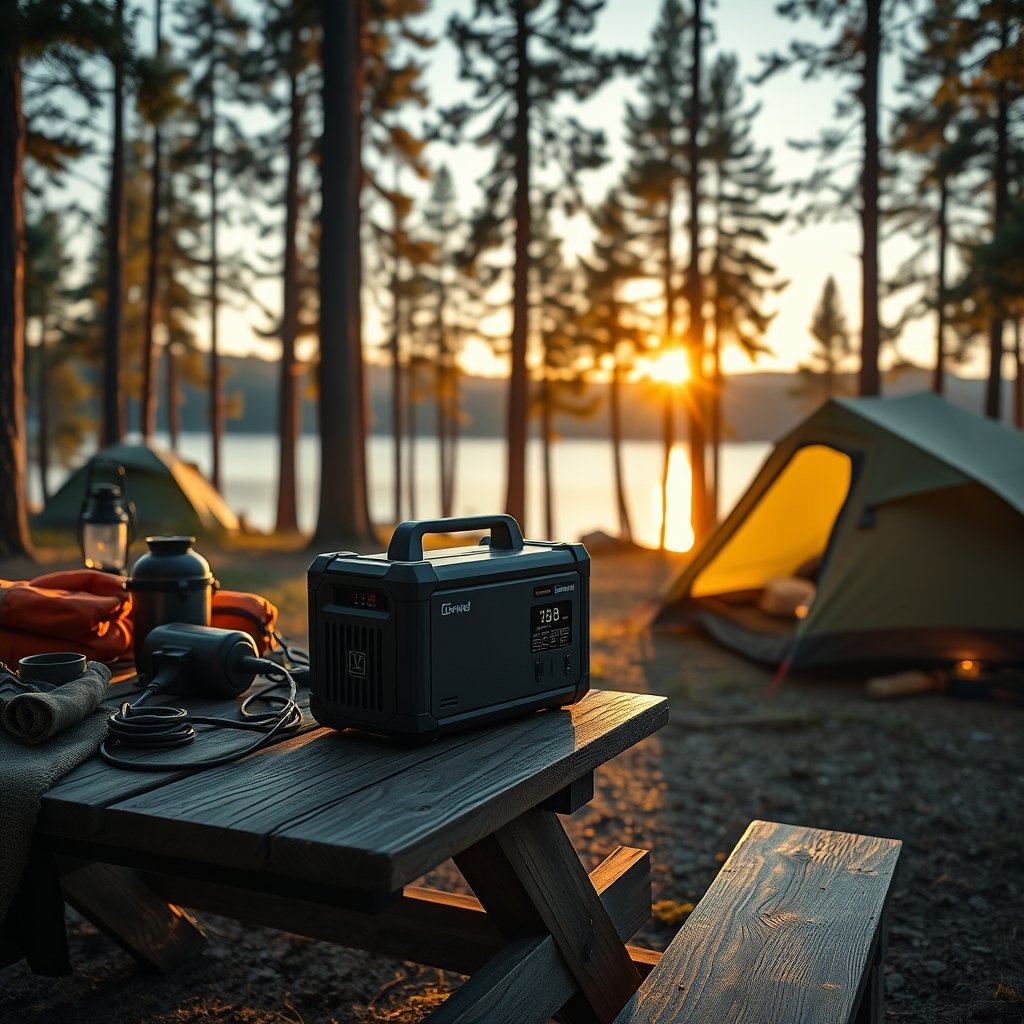
Growth in the portable power station camping market is explosive. In 2024, the segment was valued at approximately USD 4.9 billion globally, with outdoor recreation and off-grid living contributing about one third of this market. This spike is closely tied to the increasing popularity of camping, eco-conscious travel, and the shift from gas-powered solutions to sustainable, rechargeable alternatives.
Major brands include Anker, Bluetti, EcoFlow, Allpowers, and AIMTOM. Models vary in battery size (from under 500 Wh for short outings, to 1,000 Wh+ units for RVs and glamping). Key benefits over gas generators are quiet operation, zero emissions at point of use, and compatibility with modern devices.
For advanced or multi-day camping, the rise of inflatable camping tents and other connected outdoor tech only amplifies the value of a reliable camping power station.
Step-by-Step Guide: How to Choose and Use a Portable Power Station for Camping
Selecting the right portable power station camping setup is essential for safety, convenience, and maximizing your outdoor experience. Here’s a clear, actionable process:
-
Identify Your Power Needs:
- List all gadgets and appliances you’ll want to power (phone, lantern, fan, camera, laptop, cooking gear, etc).
- Check their watt-hour (Wh) or watt (W) consumption and multiply by planned usage hours.
- Sum total daily use; this will inform the ideal battery capacity (most campers need at least 300–700 Wh for a weekend).
-
Choose the Right Capacity:
- <500Wh: Good for short trips, basic device charging, ultralight camping (learn about ultralight backpacking gear).
- 500–1,499Wh: Supports longer trips, sensitive electronics, or powering a few small appliances—this capacity segment is gaining the most traction, projected to hold 43.81% market share by 2026 (source).
- >1,000Wh: Best for extended travel, multiple users, RVs, or portable fridges.
-
Review Output Ports and Charging Options:
- Look for multiple AC outlets, DC carports, USB-A/USB-C ports, and wireless charging options for flexibility.
- Solar charging compatibility is a must for off-grid use. Check for included MPPT controllers for faster and safer solar input.
- Some ultralight models only offer limited ports. Consider future-proofing if you expect to upgrade your camping tech.
-
Consider Weight, Portability, and Durability:
- Models can weigh from under 8 lbs to over 40 lbs—select the lightest option that still meets your needs.
- Check for rugged construction and, if possible, water resistance or at least rubber port covers. Most are not waterproof—store under shelter to avoid unexpected rain.
- Brands like Anker and Bluetti offer LiFePO4 batteries for longer lifespan (over 2,000 charge cycles).
-
Compare Features and Price Points:
- Under 500Wh: Roughly USD 200 (as of 2024, per market research). Larger units are pricier.
- Look for deals or bundles with solar panels included if you want all-in-one capability.
-
Test at Home Before Heading Outdoors:
- Plug in all your planned devices for a full charge-and-drain cycle.
- Practice solar charging if you’ll be relying on panels.
- If considering multi-day trips or new gear (like a private land camping spot), simulate your camping setup in your backyard or garage.
-
Prepare for Extreme Weather or Unforeseen Needs:
- Keep the battery away from direct rain, puddles, or excessive heat/cold (affects charging and capacity).
- For backup, carry a robust emergency device (see satellite communicator guide).
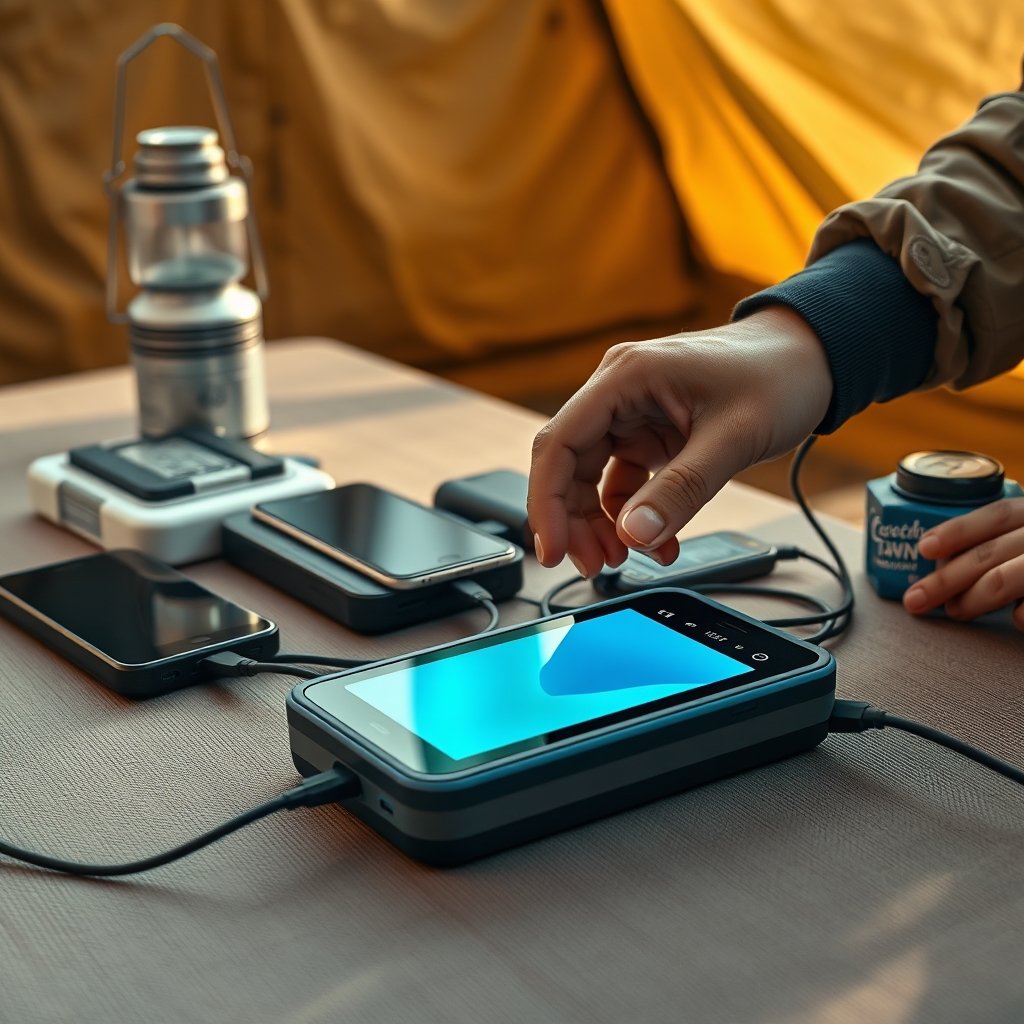
Many real campers make the mistake of skimping on capacity or assuming their panels will deliver ideal charging speeds in all conditions—a risky bet in unpredictable weather. Instead, always prioritize energy margin and protection features. Extra investment in a flexible, higher-capacity system pays major dividends in reliability and peace of mind during your trip.
If you combine your portable station with other campsite upgrades, such as a portable fridge or a bug-resistant hammock, you can make your off-grid experience both comfortable and safe.
Advanced Analysis & Common Pitfalls
Even with the best intentions, campers often run into these obstacles and disappointments when using a portable power station camping system. Forewarned is forearmed—so plan ahead using this research-driven breakdown:
- Slow solar charging times: Campers cite sluggish panel recharging, especially in overcast or shaded sites. For best results, use high-power solar arrays, track sun exposure, and avoid deep discharge cycles.
- Lack of weather resistance: Most stations lack robust waterproofing or “real” outdoor certifications. Exposure to rain, condensation, or heavy dust can permanently damage electronics or battery cells.
- Unexpectedly high costs: Entry-level models are priced around USD 200 (market data), but larger units jump in price quickly with battery and feature upgrades.
- Weight and bulk: Serious campers may find stations over 20 lbs too heavy for true backcountry treks—best for car camping or RVs instead (see rooftop tent camping).
- Misjudged energy needs: Underestimating the demand from LED lights, wireless speakers, or heated blankets often leaves campers with a dead battery on night two.
- Lack of real-world review data: There’s a lack of independent testing for long-term durability in rain, cold, or dust; most buyers must rely on brand marketing or generic specs.
| Capacity Segment | Market Share (Projected) | Best For | Typical Price |
|---|---|---|---|
| <500 Wh | Growing traction (2024) | Short camping, charging phones, lights | ~USD 200 |
| 500–1,499 Wh | 43.81% (2026 projection) | Multi-day use, bigger groups, extra devices | N/A (varies, but significantly higher) |
| >1,000 Wh | 27% (USD 0.50 billion, 2024/2026) | RVs, extended camping, glamping, large appliances | N/A |
When researching new gear, always cross-reference manufacturer claims with market data and trusted outdoor sources. A lack of clear product certification (like IPX ratings for water resistance) is a red flag if you plan to camp in wet or unpredictable environments. If you’re interested in upgrading your entire outdoor kit, explore trending gear such as adventure sports tools for fitness and comfort.
Conclusion
A well-chosen portable power station camping setup unlocks endless opportunities for safe, comfortable, and gadget-friendly outdoor living. In 2024 and beyond, the sharpest campers will weigh battery capacity, robust build quality, solar charging effectiveness, and ease of transport over just price or hype. While there’s no one-size-fits-all solution, those who take the time to understand their needs and invest in quality get true energy freedom outdoors.
Before your next adventure, take stock of what you really need—and remember, your portable power station camping choice can mean the difference between a charged, connected camp and a frustrating, powerless night under the stars. Ready for your next adventure? Compare top models, review your energy goals, and power up for safer, smarter camping.
Frequently Asked Questions
How many watt-hours do I need for a typical weekend camping trip?
For most campers charging phones, lights, and small devices, 300–700 Wh of battery capacity will last 2–3 nights, provided you’re not running high-draw appliances like electric coolers or coffee makers.
Are portable power stations waterproof?
Most are not fully waterproof. They may resist occasional splashes or light drizzle, but real waterproofing is rare. Always shield the unit under a tarp or inside your tent if rain is expected.
What’s the best way to recharge a power station during camping?
Recharge at home before your trip, then use solar panels for topping up. Direct sunlight, the correct panel size, and optimal tilt angle are key for faster charging during your stay.
Is a solar generator the same as a portable power station?
The terms are often used interchangeably. Technically, a portable power station is just the battery system, while a solar generator refers to the battery plus the solar panel(s).
Can I use a camping power station to run a mini fridge or hot plate?
Yes, but check the appliance’s wattage and your station’s output capabilities. Running high-wattage devices can drain small batteries fast, so calculate usage and opt for a higher capacity model if needed.