

### Blog Post:
Camping hammock with mosquito net setups have surged in popularity with serious backpackers and outdoor enthusiasts looking for lightweight, all-in-one shelter solutions that keep bugs out and comfort in. If you’re on the fence between hammock systems and traditional tents, here’s a direct, actionable breakdown of what you need to know before your next trip.
Key Takeaways
- Camping hammocks with mosquito nets are rapidly growing in popularity, valued at up to $890 million globally in 2024 and capturing backpackers seeking lighter, portable shelter options.
- The right setup depends on your comfort needs, trip length, and environmental conditions—pitfalls like setup difficulty and net durability can be overlooked by first-timers.
- Critical buying factors include weight, bug net design, convenience, and the ability to handle wet or buggy climates—advanced tips can make a huge difference on the trail.
- What Is a Camping Hammock With Mosquito Net & Why Use One?
- Step-by-Step Guide: Using a Hammock System for Backpacking
- Advanced Analysis & Common Pitfalls
- Conclusion
- FAQs
What Is a Camping Hammock With Mosquito Net & Why Use One?
A camping hammock with mosquito net is a suspended sleep system designed for outdoor shelters. The integrated net seals off biting insects, while the hammock keeps you off damp, sloped, or rocky ground. The latest models are increasingly favored among backpackers for their light weight, fast setup, and comfort, especially when every ounce matters in your pack.
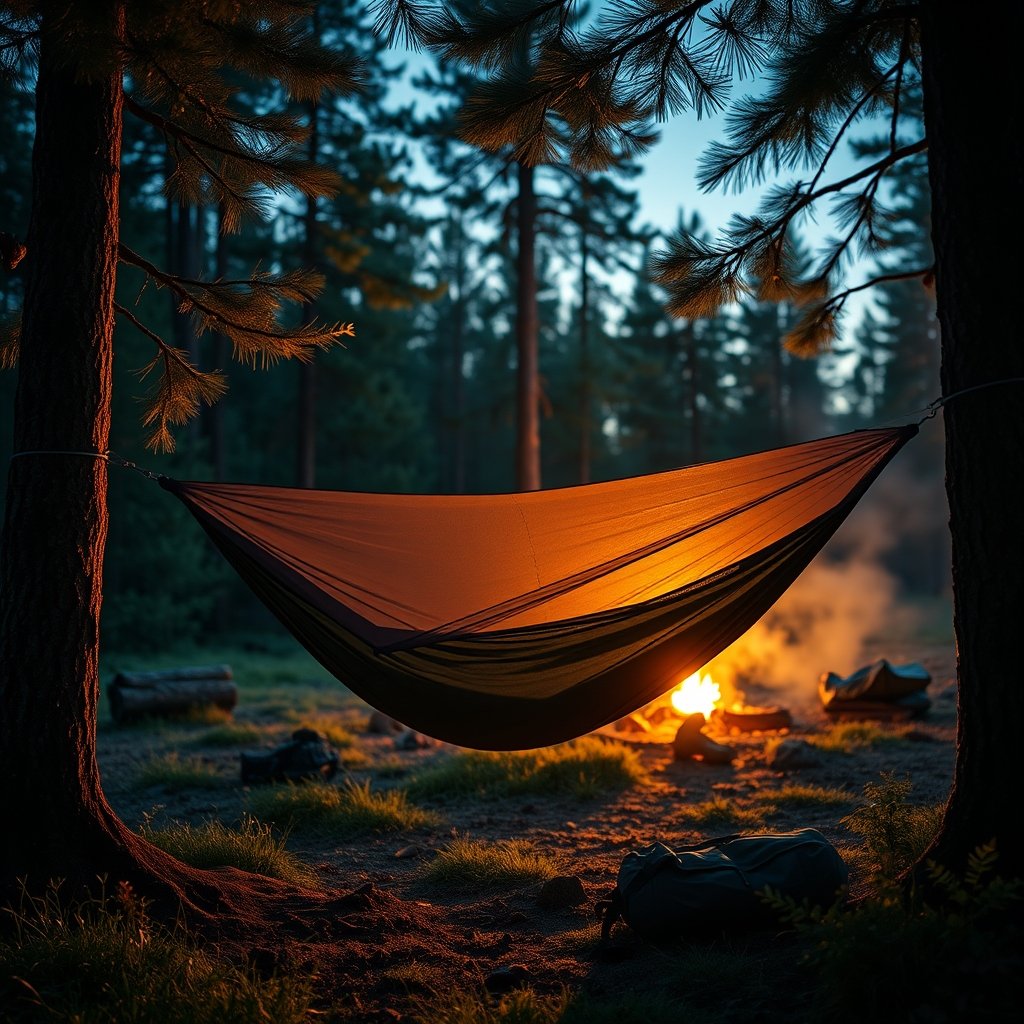
According to recent market research, this segment is projected to double in value by 2033 as more outdoor adventurers opt for ultralight shelters. Online purchases account for nearly 50 percent of sales—reflecting a shift in how campers do their gear research and shopping.
Traditional tents remain a staple for basic backpacking comfort, but hammock tents with built-in nets are now seen as a credible alternative, particularly for solo travelers and those visiting humid or mosquito-heavy environments. The ease of stringing a hammock between trees is often faster and more versatile than hunting for level, dry ground for a tent.
Hammock camping is also gaining momentum among minimalist adventurers. For those assembling an ultralight backpacking setup, hammocks with integrated bug protection help cut pack weight and volume by replacing multiple items with a single, streamlined system.
Step-by-Step Guide: Using a Hammock System for Backpacking
Setting up a camping hammock with mosquito net is straightforward if you know what to prepare and how to avoid common issues. Here’s an actionable breakdown:
- Scout two healthy anchor points, 10 to 15 feet apart—strong trees or sturdy posts. Avoid dead wood, too-thin saplings, or visibly damaged trunks.
- Angle your straps for a 30-degree hang. Tree straps should be 1 inch wide or more to protect bark. Secure the hammock so it sits about 18 inches off the ground when loaded.
- Attach and tension the integrated mosquito net. Double-check the net has no open gaps. Avoid overtightening, which can cause net seams to tear or strain.
- Pitch your rain fly over the hammock, angling it low and wide. Choose a waterproof tarp that matches or slightly exceeds the hammock’s length to provide full rain coverage. Use guylines at sharp angles for best runoff.
- Organize inside. Store your gear in an internal pocket or ridge line organizer so nothing presses against the bug net. Place a closed-cell pad or underquilt below your hammock for insulation as temperatures drop.
- Test entry and exit. Practice zipping the bug net from inside and outside. Bring a small repair kit for patching mesh tears in the field.
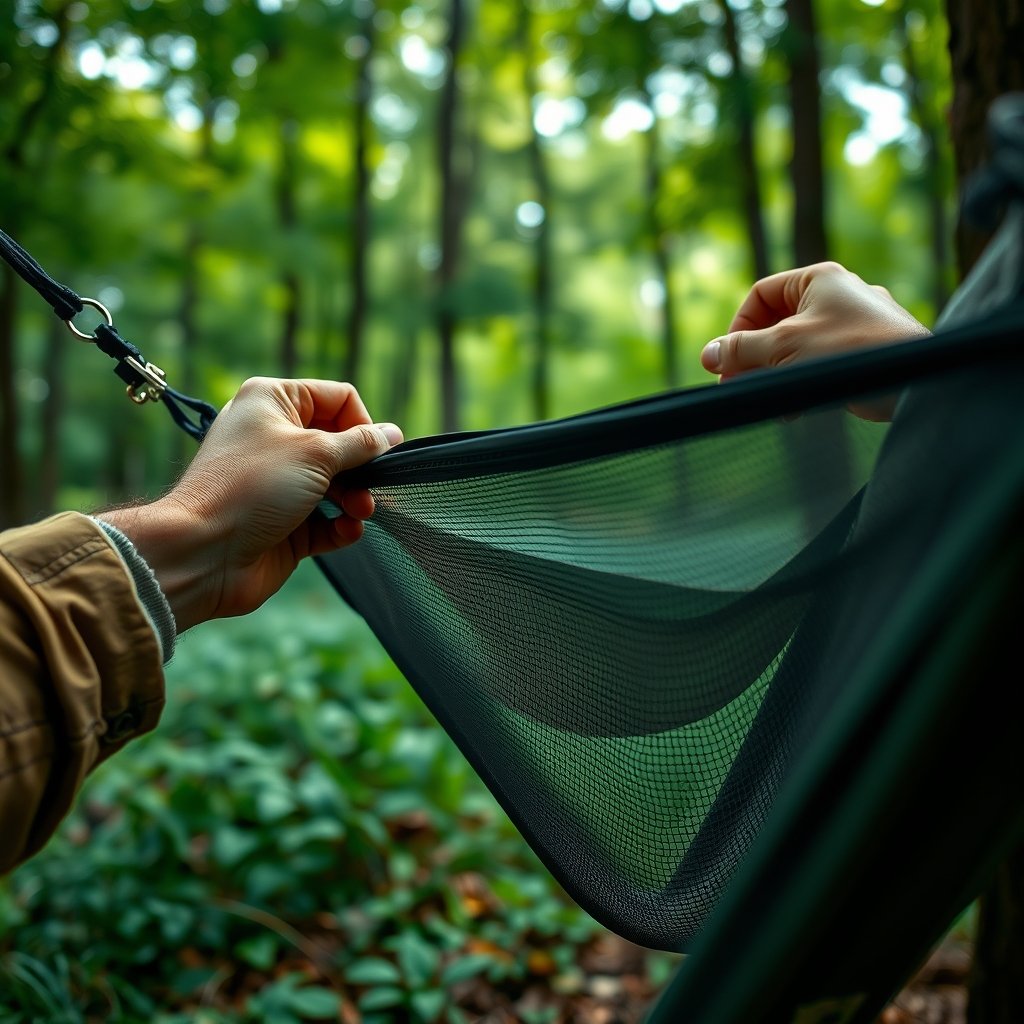
For wet and buggy setups, consider bringing compact camping cookware and water-resistant bags to keep food and valuables dry—hammock camping usually exposes your gear more than a tent vestibule would. If you’re planning to camp on private land, always confirm hammock use is permitted and follow local Leave No Trace rules for tree protection.
If forced to ground camp (no trees), some advanced hammock systems can work with trekking poles or ground stakes, making them versatile when paired with a compatible rain fly.
Advanced Analysis & Common Pitfalls
Most newcomers focus on lightweight bragging rights, but the best hammock systems for multi-day backpacking trips require a closer look at comfort and performance in real-world conditions. Here are essential facts and watch-outs:
| Feature | Hammock With Mosquito Net | Ultralight Solo Tent |
|---|---|---|
| Weight | Typically 1.6–2.6 lbs (without underquilt/rainfly; varies with full setup) | 1.8–3.1 lbs (for bare minimum tent + poles + groundsheet) |
| Setup Time (Experienced) | 6–12 min (variable by tree spacing, net integration) | 5–10 min (tent pole familiarity matters) |
| Comfort (Side Sleeping) | Challenging; most hammocks favor back sleepers | Better; more flat options for side sleepers |
| Condensation Control | Usually better airflow; rain fly must be vented | Rainfly vents may help, but ground moisture often condenses |
| Mosquito Net Effectiveness | Very good with fine mesh; zipper reliability is critical | Optional; screens may have more entry points |
While global sales for hammock tents are rapidly increasing, most reports do not address user complaints. However, common pitfalls from field experience and user forums include:
- Setup learning curve: First-time users often struggle with correct hammock angles, securing bug nets against gaps, and anchoring rain flies in high winds.
- Durability: Fine mesh on bug nets is prone to snags and tears. Seams on both the hammock body and rain fly are points of failure, especially if not properly sealed.
- Side sleeping discomfort: Flat sleeping is difficult. Most backpacking hammocks are best suited for back sleepers, and few market leaders address true side-sleeper comfort.
- Underquilt compatibility: If insulation is needed for cold nights, check that your hammock allows secure attachment of an underquilt—a detail rarely explored in mainstream buying guides.
- Condensation and rain splash: In wet climates, poorly vented rain flies (pitched too close) may trap condensation, while a fly pitched too high may allow splashback from heavy rain.
Performance factors, such as weight, maximum occupant capacity, and waterproofing, are rarely standardized or directly compared across brands, which makes hands-on testing and careful review of manufacturer specifications important.
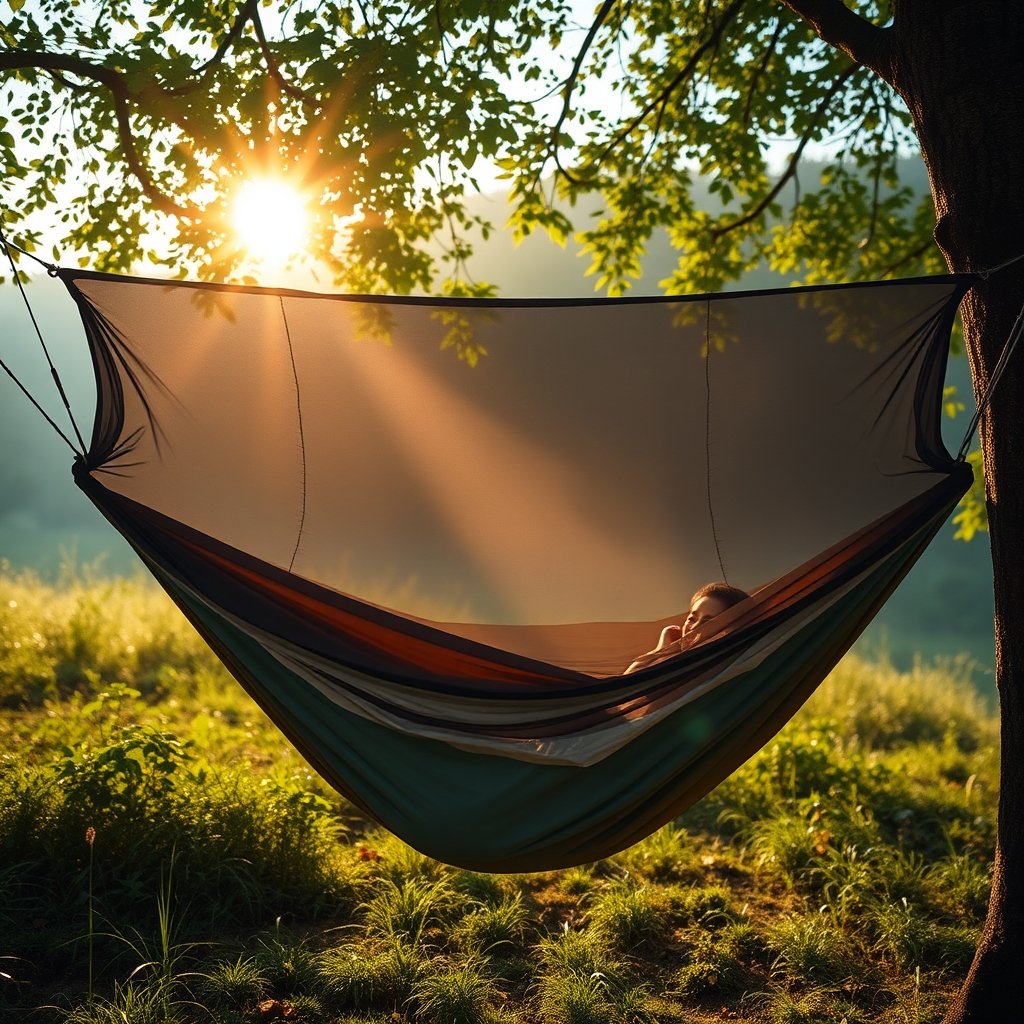
When choosing between a lightweight hammock and a tent, consider your environment. In dense forests where ultralight hammock setups are most effective, you’ll also need to check weather and terrain to ensure appropriate gear. In open meadows or above the treeline, ultralight tents or even airy inflatable camping tents may be the better pick.
Advanced backpackers often supplement hammock sleep with a portable power station, satellite communicator, and multipurpose gear so they can stay safe, dry, and connected no matter what the weather (or bugs) deliver.
Conclusion
Camping hammocks with mosquito nets offer a compelling shelter solution for those willing to master the system. They pack lighter, go up faster in the right location, and keep mosquitoes at bay—making them ideal for solo hikers, ultralight backpackers, and anyone traveling in bug-heavy zones. But, as market research and field usage show, sleeping comfort, net durability, and setup skills are crucial—so test before you commit.
If you value versatility more than absolute comfort or want to embrace minimalist gear, a camping hammock with mosquito net deserves a spot in your kit. Start with careful practice, invest in backup net repair, and fine-tune your setup to unlock the best experience. Ready to lighten your load and sleep above the bugs on your next outdoor adventure? Research, test, and invest smart—your future trail self will thank you.
FAQs
Are camping hammocks with mosquito nets suitable for side sleepers?
Most camping hammocks are designed for back sleepers. Some larger models allow for a diagonal lay, giving moderate comfort for side sleepers. If you always sleep on your side, test your hammock at home to make sure it works for your sleep style before taking it outdoors.
How do I prevent mosquitoes from getting into my hammock?
Check the bug net for small holes or loose seams before use. Always zip the net fully before sleeping, and if your net zipper tends to snag, treat it with silicone lubricant. Tuck excess netting tightly and consider carrying a patch kit for repairs in the field.
Can hammock tents handle heavy rain as well as traditional tents?
Yes, if you use a well-sized and properly pitched rain fly. Secure all guylines and keep the fly angled for fast runoff. Always check the fly’s waterproof rating and ensure seams are sealed to avoid leaks during storms.
What gear do I need to sleep warm in a hammock?
You’ll need more than just a sleeping bag. Cold air circulates below you in a hammock, so invest in an underquilt or close-cell sleeping pad for insulation. Layering techniques for warmth are also vital for hammock comfort.
Are hammocks or tents lighter for backpacking?
Complete hammock systems (hammock, net, rain fly, straps) are often lighter than comparable double-wall tents but only if you use ultralight versions and skip extras. Add-ons like underquilts, larger rain flies, or wide nets can tip the weight in either direction. Always weigh your full setup before hitting the trail.